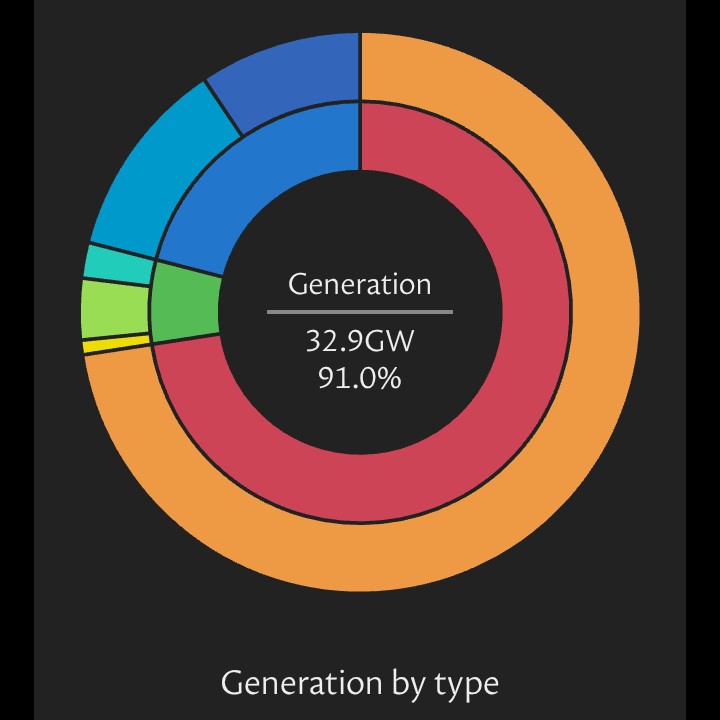
Land, Cost, and Reliability Reality Check
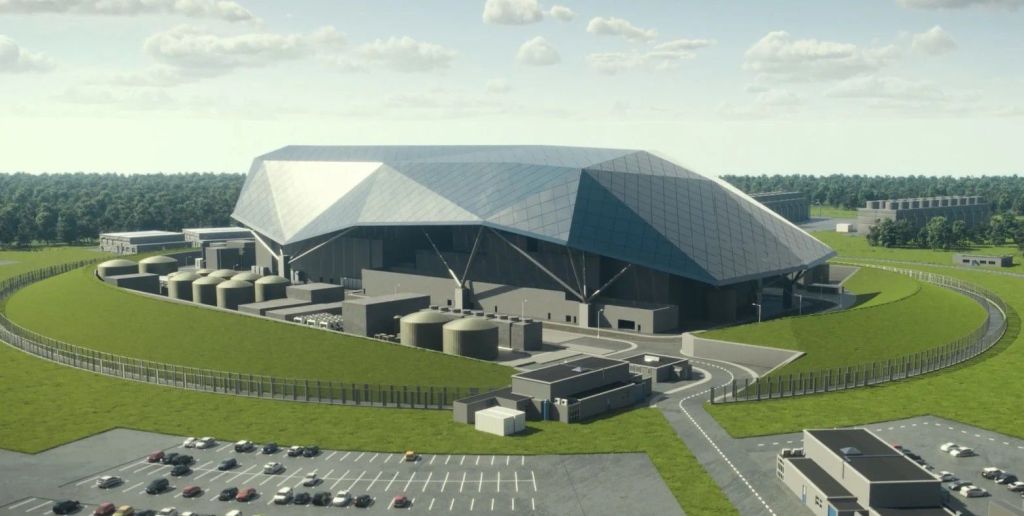
As the UK accelerates its transition to net-zero, land efficiency, reliability, and cost must be central to the energy debate. While solar power is often promoted as a key solution, its actual generation is far lower than its advertised capacity. In contrast, Small Modular Reactors (SMRs) provide consistent, 24/7 power in a fraction of the space, without the need for vast solar farms or extensive battery storage.
1. Land Use: Solar vs. SMR for the Same Energy Output
A 470 MW SMR generates 4.1 million MWh per year consistently. To match this output with solar, we must account for solar’s low capacity factor (~10%):
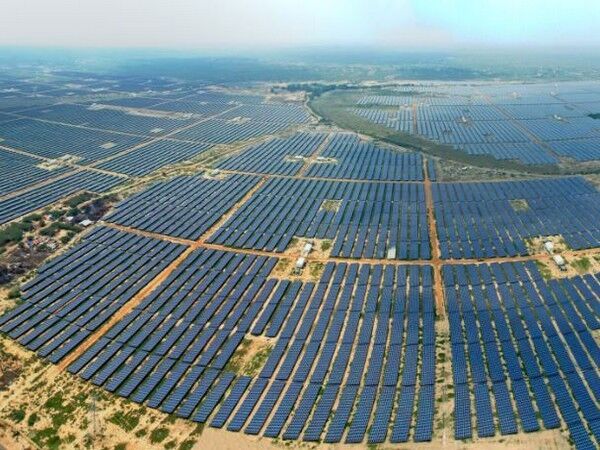
Solar requires nearly 800 times more land than an SMR to generate the same yearly energy output.
This comes at the cost of farmland loss, impacting food security and rural communities.
2. Reliability: SMRs Provide 24/7 Power, Solar Needs Backup
Key Takeaway:
SMRs generate electricity 24/7, regardless of weather or season.
Solar requires fossil fuel backup (gas plants) or expensive battery storage to keep the lights on when the sun isn’t shining.
3. Cost Analysis: SMRs vs. Solar + Battery Storage
SMR Cost (470 MW)
Construction Cost: £2-3 billion
Lifespan: 60+ years
Capacity Factor: ~90% (continuous operation)
Cost per MWh: £40-60
Solar + Battery Storage (to match 470 MW output)
To provide the same reliable power as an SMR, solar needs huge battery storage to cover nights and cloudy days:
Solar Farm Cost (4,700 MW): £6-8 billion
Battery Storage Cost (to cover nights/cloudy days): £10+ billion
Lifespan: Solar: 25 years, Batteries: 10-15 years
Cost per MWh: £80-120+ (due to storage needs)
Why SMRs
SMRs are more cost-effective per MWh than solar + storage over their lifespan.
Battery costs add billions to solar, making it far less economically viable.
4. The Bottom Line: Energy Policy Must Be Practical
Solar’s Hidden Costs and Land Drain
Massive land use (23,500 acres vs. 50 acres for SMR)
Intermittent power requires backup fossil fuels or expensive batteries
Higher long-term costs per MWh than nuclear
Farmland loss affects food security
SMRs the Smarter Choice
Reliable, 24/7 power with a 90%+ capacity factor
Compact footprint (800x more efficient in land use than solar)
Lower long-term cost per MWh
No reliance on fossil fuel backup
If the UK is serious about net-zero without sacrificing farmland and grid stability, Small Modular Reactors must be prioritized over large-scale solar expansion.
The Reality of UK Solar Power: Installed Capacity vs. Real-World Output
The UK’s National Grid reports a solar power capacity of 15 GW, which, on paper, suggests a significant contribution to the energy mix. However, the actual yearly average generation is just 1.5 GW, revealing a massive gap between expectations and reality.
Why the Discrepancy?
1. Capacity Factor Limitations – The UK’s solar farms operate at an effective capacity factor of around 10% due to weather conditions, short winter days, and inefficiencies. This means that, on average, they only produce one-tenth of their maximum rated capacity.
2. Intermittency Issues – Solar power output fluctuates daily and seasonally, making it unreliable for baseload electricity needs. During winter, when energy demand peaks, solar generation is at its lowest.
3. Grid Constraints & Curtailment – At times, solar farms are forced to limit their output because the grid cannot accommodate fluctuations, further reducing their effective contribution.
4. Policy vs. Practicality – Policymakers often promote solar energy based on installed capacity figures rather than real-world generation, leading to misleading assumptions about its role in energy security.
The Misleading Nature of “Installed Capacity”
If a gas or nuclear plant had a 15 GW capacity, it would consistently generate close to that figure. But with solar, the actual output is a fraction of its claimed capacity. This raises questions about whether the UK should continue prioritizing solar at the expense of reliable energy sources, especially when solar farms take up vast amounts of land that could be used for food production.
 SAY NO TO THE DESTRUCTION OF OUR LAND
Leave a comment