For decades, the narrative around climate change and pollution has been shaped by government policies, net-zero targets, and renewable energy subsidies. However, the reality is often quite different from what is portrayed. The UK had already made significant progress in reducing pollution before the Climate Change Act 2008, and the rush to implement solar and wind energy has caused new environmental and economic problems.
1. Pollution: The Real Crisis Was in the 1960s and 70s
A. Air Pollution
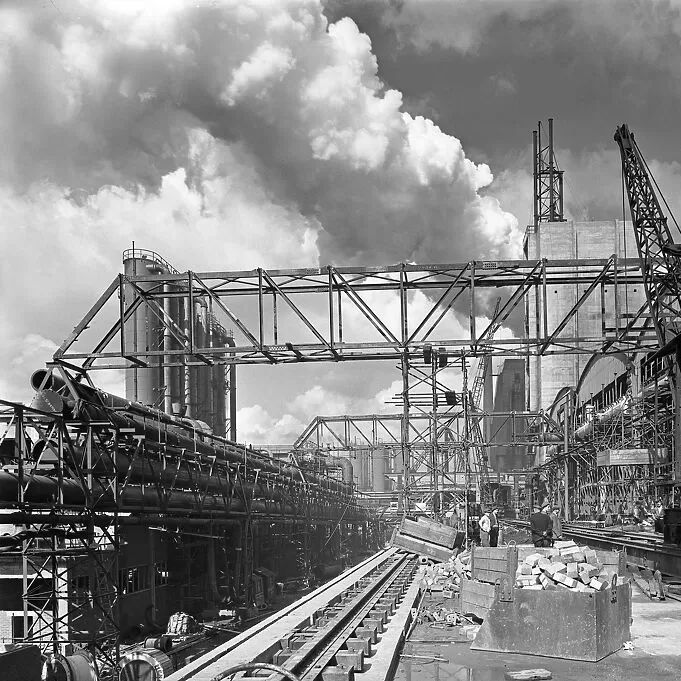
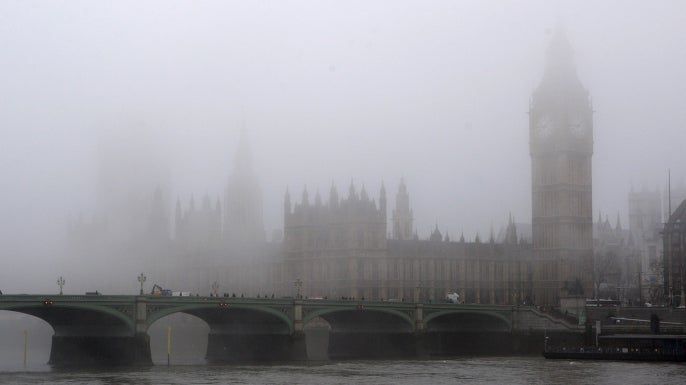
In the 1960s and 70s, the UK faced a serious air pollution crisis. Industrial emissions, coal burning, and vehicle exhausts led to smog, acid rain, and widespread health issues. However, by 1990, major improvements had been made:
Sulfur dioxide (SO₂) levels dropped significantly as coal use declined.
Catalytic converters in cars reduced nitrogen oxide (NOₓ) emissions.
The Clean Air Acts (1956 and 1968) forced industries to cut pollution.
By the early 1990s, the UK’s air quality had vastly improved compared to the 1960s, making the extreme measures of the 2008 Climate Act unnecessary.
B. Water and Land Pollution
In the 1960s, many British rivers were biologically dead due to industrial waste and sewage. However, by 1990:
New sewage treatment plants had restored water quality.
Landfill regulations reduced toxic waste seepage into soil.
Heavy industry decline reduced contamination.
The UK had already tackled real pollution problems before CO₂ became the main environmental concern.
1.The climate change Act 2008 misguided policies.
Despite the UK’s progress, the government passed the Climate Change Act 2008, committing the country to drastic CO₂ reduction targets. This policy was flawed for several reasons:
A. Focused on CO₂ Instead of Real Pollution
The Act ignored ongoing pollution issues such as sewage dumping, plastics, and habitat destruction, instead fixating on carbon dioxide (CO₂)—a gas that is not directly harmful to human health in the way that sulfur dioxide or lead pollution were.
B. Economic Damage Without Clear Benefits
The Act imposed strict carbon budgets, leading to:
Job losses in steel, cement, and manufacturing.
Higher energy bills for businesses and households.
Offshoring emissions—the UK cut domestic CO₂ but increased reliance on imported goods from China, where emissions are higher.
C. The UK Had Already Reduced Pollution
By 1990, the UK had done its part, but the 2008 Act treated the country as if it were still a major polluter. Meanwhile, countries like China and India continued increasing emissions without similar restrictions.
3. How Solar and Wind Power Are Damaging Land and Oceans
While solar and wind are marketed as “clean energy,” their large-scale deployment has serious environmental consequences.
A. Destruction of Farmland and Wildlife
Solar farms replace agricultural land, reducing food production and harming rural economies.
Wind farms disrupt wildlife habitats, leading to loss of biodiversity.
Soil erosion increases due to heavy machinery used in wind and solar farm construction.
B. Pollution from Solar Panels and Wind Turbines
Solar panels contain toxic materials (cadmium, lead), which can leak into soil and water.
Wind turbine blades cannot be recycled and end up in landfills.
Manufacturing these technologies requires mining rare earth metals, causing severe pollution in countries like China.
C. Damage to Marine Ecosystems
Offshore wind farms harm ocean life by:
Producing noise pollution, which disrupts whale and fish navigation.
Interfering with fish migration and breeding patterns.
Leaking chemicals from turbine coatings into seawater.
Fishermen are losing fishing grounds, and seabeds are being damaged by turbine foundations, altering ocean ecosystems permanently.
Conclusion: The Push for Net Zero Is Hurting the Environment and Economy
The UK had already made enormous progress in reducing pollution by 1990, making the 2008 Climate Change Act an unnecessary and damaging policy. Instead of tackling real pollution problems—such as plastic waste, sewage spills, and habitat destruction—the government focused on CO₂ reduction, leading to economic harm and reliance on destructive energy sources like solar and wind.
While traditional pollution (e.g., smog, acid rain) was successfully addressed decades ago, the current rush toward net zero is creating new environmental problems—destroying farmland, harming marine life, and increasing dependency on environmentally damaging mining operations abroad.
The question now is: Will policymakers admit their mistakes, or will they continue down this path at the expense of the environment and economy?
https://petition.parliament.uk/petitions/701342

 SAY NO TO THE DESTRUCTION OF OUR LAND
Leave a comment