How green is the climate agenda.
Heavy Metal Pollution from Battery and Solar Industries
The push for renewable energy and electric vehicles (EVs) has dramatically increased demand for heavy metals such as lithium, cobalt, nickel, and rare earth elements (REEs). These metals are essential for batteries and solar panel production, but their extraction and processing cause severe pollution in water bodies worldwide.
1. The Lithium Boom and Its Water Crisis
Key Affected Regions:
The Lithium Triangle (Argentina, Chile, Bolivia) – Contains over 50% of the world’s lithium reserves.
Tibet & Qinghai (China) – Major lithium mining hubs.
Western Australia – Pilbara and Greenbushes mines.
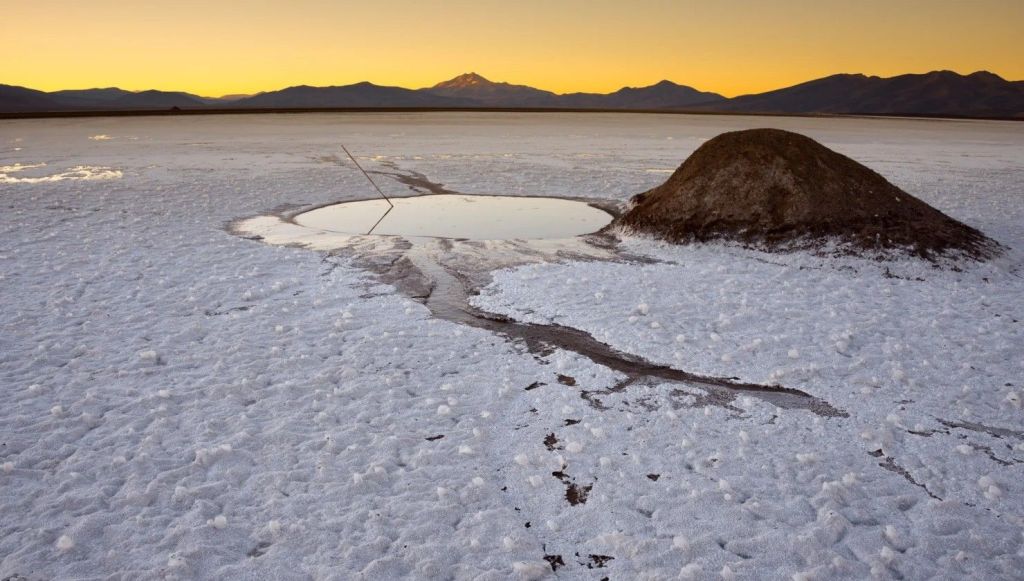
Head of the environmental unit of Chile’s Atacama Indigenous Council, Francis Mandoca, states that lithium mines ruin one zone to satisfy another
Environmental Impact:
Water Depletion – Lithium extraction from brine requires millions of gallons of water. In Chile’s Atacama Desert, mining has reduced freshwater availability for indigenous communities.
Toxic Chemical Leaching – Lithium processing uses sulfuric acid and lime, contaminating groundwater and rivers.
Mass Fish Deaths – In China’s Qinghai province, lithium mining has turned freshwater lakes toxic, leading to large-scale fish die-offs.
2. Cobalt Mining and River Poisoning
Key Affected Regions:
Democratic Republic of Congo (DRC) – Produces 70% of the world’s cobalt.
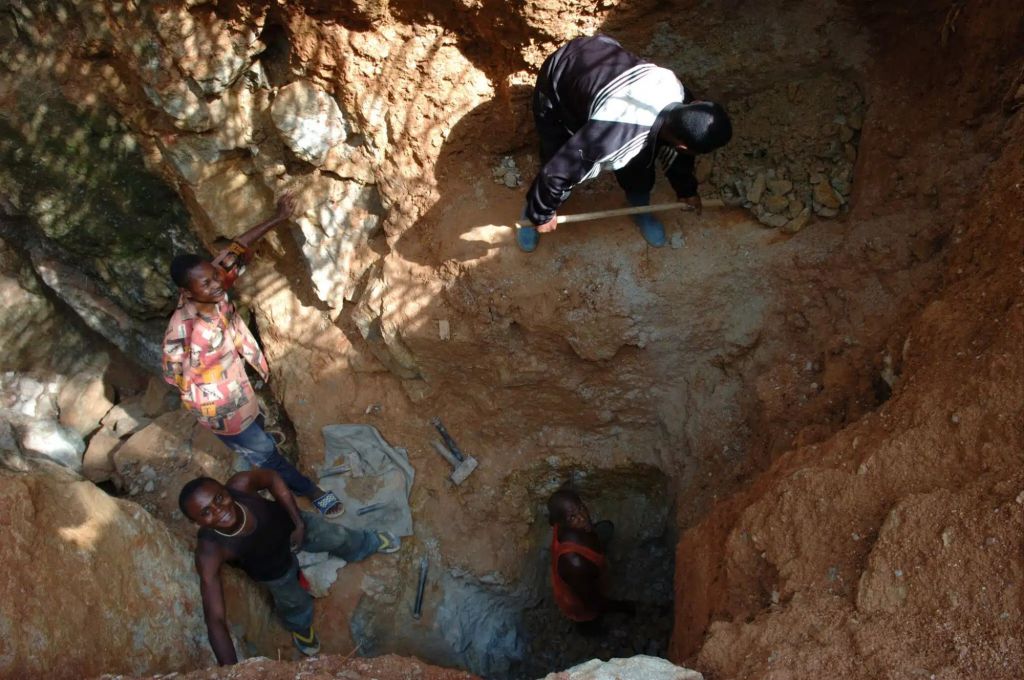
With the electrification of the global energy system gathering momentum year after year, demand for cobalt has seen unprecedented growth. In 2021, the market grew by 22% and is expected to rise by 13% per year for at least the next five years. As such, mines – both legal and illegal – have been appearing all over the nation, and threatening the pristine tropical rainforest
It is difficult to establish just how large of an area of the Congo Basin has been deforested to make way for cobalt mines since the country’s richness in other natural resources contributes to the forest loss. However, it has been estimated that millions of trees have been clear-cut by giant mining companies, and satellite imagery illustrates a barren wasteland in areas of once thriving biodiversity
Zambia – Copperbelt region, where cobalt is a byproduct of copper mining.
Environmental Impact:
Heavy Metal Contamination – Rivers near cobalt mines in the DRC contain toxic levels of uranium, cadmium, and arsenic.
Acid Mine Drainage (AMD) – Mining waste reacts with air and water, creating sulfuric acid that poisons water supplies.
Soil and Crop Contamination – Polluted water used for farming leads to cobalt buildup in food, increasing health risk.
3. Nickel Mining and Coastal Destruction
Key Affected Regions:
Indonesia (Sulawesi and Halmahera Islands) – Largest supplier of nickel for EV batteries.
The Philippines (Palawan and Mindanao Islands) – Major nickel-producing regions.
Russia (Norilsk and Kola Peninsula) – Heavy nickel mining for battery-grade materials.
Environmental Impact:
Deforestation and Erosion – Nickel mining clears vast tracts of rainforest, leading to heavy sediment runoff into rivers.
Marine Pollution – In Indonesia, unregulated nickel mining dumps waste directly into the ocean, turning coastal waters red with metal residues.
Toxic Air Pollution – Nickel smelting releases sulfur dioxide and heavy metal particulates, poisoning nearby communities.
4. Rare Earth Element (REE) Mining and Groundwater Poisoning
Key Affected Regions:
Bayan Obo, China – The world’s largest REE mine.
Kachin State, Myanmar – Illegal REE mining zones.
California, USA – Mountain Pass Mine.
Environmental Impact:
Radioactive Waste – REE ores contain uranium and thorium, which contaminate water sources. In China, REE mining has created toxic lakes filled with radioactive sludge.
Chemical Leaching – REE processing involves acids and solvents that pollute rivers. In Myanmar, illegal mining sites have left behind poisoned water supplies.
Soil and Biodiversity Loss – Mining operations strip away fertile land, leading to desertification and loss of habitat for wildlife.
5. Solar Panel Industry and Cadmium Pollution
Key Affected Regions:
China (Inner Mongolia & Jiangxi) – Dominates solar panel manufacturing.
India, Malaysia, and Vietnam – Major solar industry hubs.
Environmental Impact:
Cadmium and Lead Contamination – Thin-film solar panels use cadmium telluride, which can leach into water if improperly disposed of.
Silicon Refining Waste – Producing photovoltaic cells generates silicon tetrachloride, a toxic byproduct that contaminates groundwater.
Heavy Metal Runoff from Recycling – Disposing of old solar panels releases lead and arsenic into landfills, eventually seeping into water supplies.
The Bigger Picture: Global Water and Soil Contamination
Heavy Metal Accumulation in Oceans – Mining runoff from land eventually reaches the sea, worsening marine toxicity.
Human Health Risks – Communities near battery and solar material mines suffer from lead poisoning, respiratory diseases, and cancer.
Food Chain Contamination – Toxic metals build up in fish and crops, posing long-term health risks.
The demand for batteries and solar panels is skyrocketing, but without sustainable practices, the environmental cost will outweigh the benefits. Addressing the heavy metal pollution crisis is essential to making clean energy truly “green.”
 SAY NO TO THE DESTRUCTION OF OUR LAND
Leave a comment