The ever increasing energy cost of net zero
Rising energy bills expose hidden costs of the renewable revolution
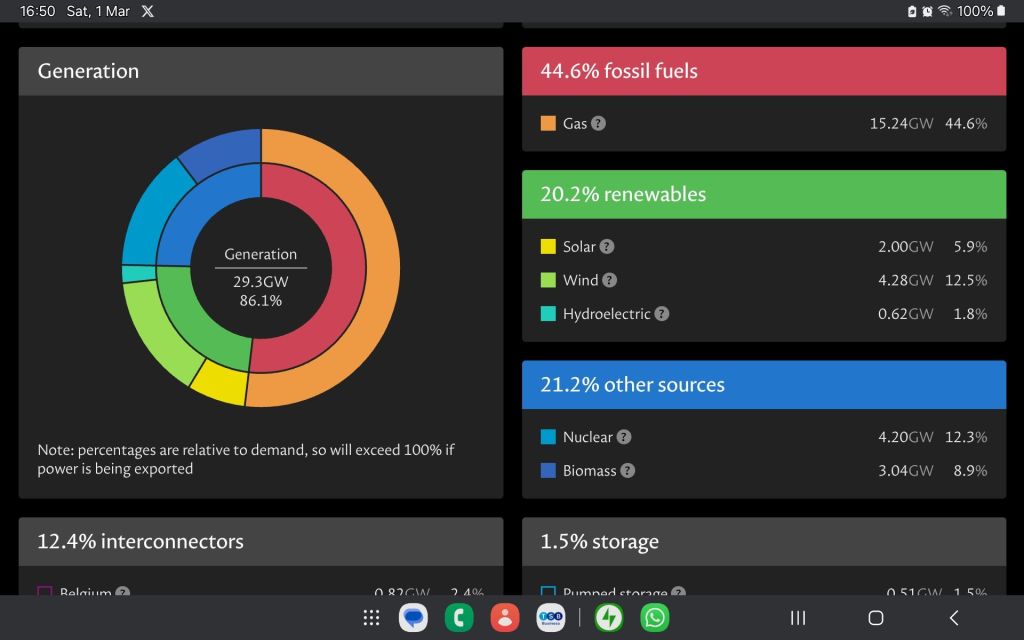
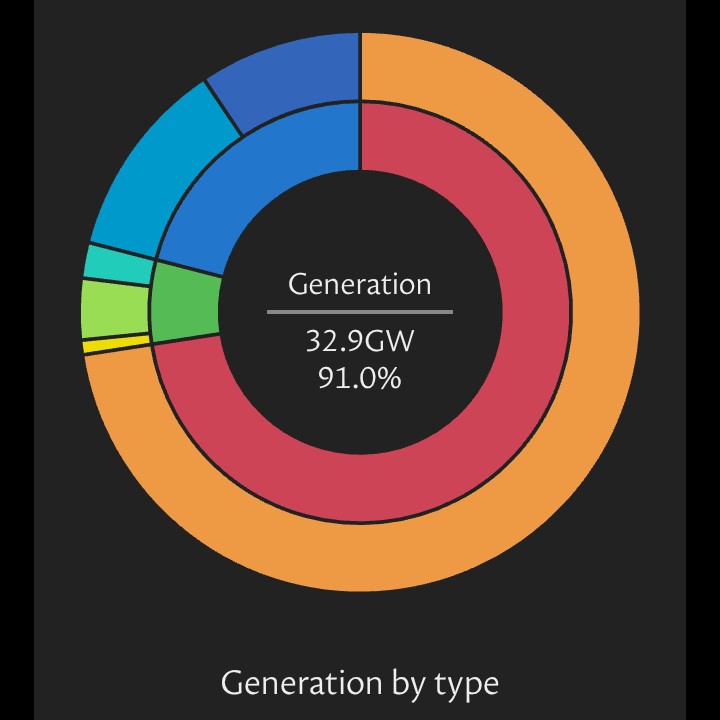
So-called Green energy produced 18% today.
This week’s rise in the energy price cap is yet another painful blow to households already struggling with soaring bills. While Ed Miliband insists that renewables are cheap and will ultimately lower energy costs, the reality is far more complex—and far more expensive. The promise of a green revolution is turning out to be a costly illusion, with hidden expenses that are passed directly on to consumers
Miliband envisions a future powered by wind and solar energy
Miliband needs to get a reality check and quick
In 2008 average energy costs per household was
£470 .
In 2025 our pursuit of the climate agenda has now increased our energy cost to £1849
The erratic output of renewables forces grid operators into a costly balancing act. The electricity grid demands that supply and demand match almost perfectly in real time; any significant deviation risks damaging sensitive equipment. As renewable output fluctuates with sudden gusts of wind or passing clouds, balancing costs have doubled since 2010, now standing at approximately £2.5 billion.
Another critical issue is the low energy density of renewables. An 800 MW gas plant needs just one grid connection, while an equivalent wind farm might require over 65 connections across remote areas. This dispersion means that a significant portion of the electricity generated must be turned down, incurring new fees. These cost about £1 billion last year, with projections suggesting a rise to £9 billion by 2030.
In 2023/24, households and businesses effectively subsidised £9.5 billion in renewables, a sum forecast to grow to £9.9 billion by the end of the decade. With wind farms operating at only 35 percent of capacity, we are shelling out nearly £10 billion annually for energy that functions way below capability.
Politicians have blamed volatile gas markets and the war in Ukraine for high bills. However, gas has been relatively stable for most of the past three decades.
Unfortunately, our current backup options are woefully inadequate. Batteries, often touted as the saviour of intermittent energy, can provide power for roughly two hours. Pumped hydro storage, another key backup resource, offers about five hours of support at best. Yet, stretches of low wind can persist for days or even weeks, leaving us dangerously exposed. To bridge these gaps, the capacity market has had to step in, costing around £1 billion in 2023/24 – a figure that the Office for Budget Responsibility expects to rise to £4.1 billion by 2029/30
 SAY NO TO THE DESTRUCTION OF OUR LAND
Leave a comment