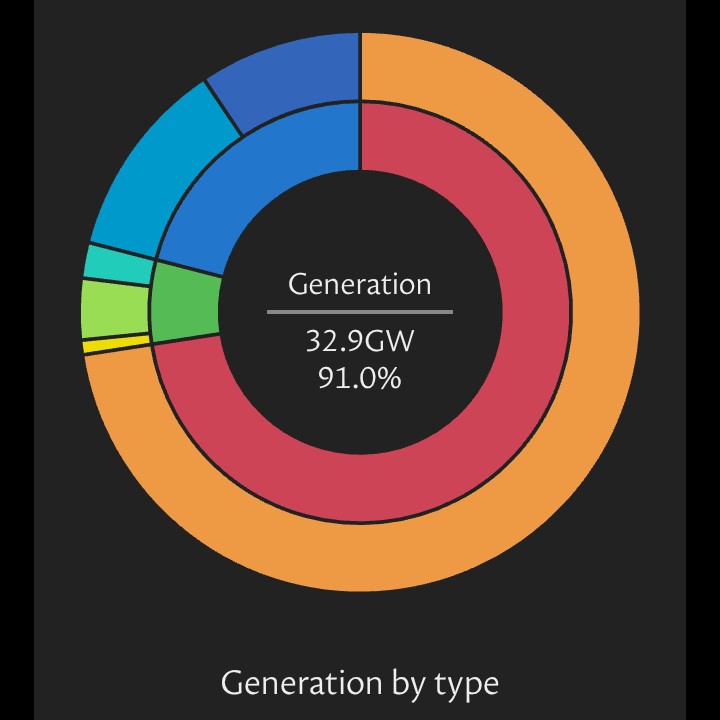
As cities expand, so does their hunger for power. The modern urban landscape, with its towering skyscrapers, data centers, electric vehicles, and energy-intensive infrastructure, requires more electricity than ever before. But rather than housing power generation within the urban areas consuming it, city leaders and policymakers push the burden onto the countryside, transforming rural landscapes into industrial energy hubs. This relentless demand is not only reshaping the countryside but is also accelerating the loss of farmland, biodiversity, and rural communities
1. The Ever-Increasing Energy Demand of Cities
The shift towards digital economies, electric transport, and climate policies requiring “green” alternatives has sent urban energy consumption soaring. Large-scale electrification—powering everything from high-rise office blocks to heat pumps—places unprecedented strain on the national grid. Instead of addressing inefficiencies in city energy use or building power generation closer to where it is needed, the government sacrifices rural land to meet these growing demands.
Data Centers: The rise of cloud computing and AI requires massive energy-hungry data centers, often located near rural areas for cheaper land, disrupting communities with high energy demands and water consumption.
Electric Vehicles (EVs): The push for EVs requires significant grid expansion and charging infrastructure, most of which is concentrated in cities. Yet, the renewable energy infrastructure needed to power these vehicles—solar and wind farms—is overwhelmingly placed in the countryside.
Urban Heat Pumps and Electrification: City policies banning gas boilers in favor of electric heating further strain power networks, again shifting the burden of generation onto rural areas.
2. The Countryside as an Industrial Energy Sacrifice Zone
To feed the growing electricity demand of urban centers, vast tracts of rural land are being transformed into solar farms, wind farms, battery storage sites, and high-voltage grid connections. While city dwellers benefit from ‘clean energy’ policies, the rural landscape is being industrialized at an alarming rate.
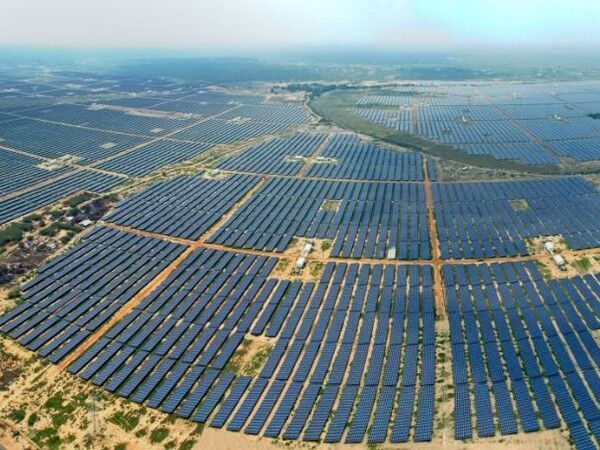
Solar Farms Replacing Farmland: Productive agricultural land is being lost to enormous solar installations, often backed by city-based investors. This undermines food security while offering little direct benefit to rural communities.
Wind Farms Dominating Rural Skylines: While cities claim to be ‘going green,’ they refuse to accommodate wind turbines within their own limits. Instead, they are erected across the countryside, disrupting landscapes, harming wildlife, and reducing property values.
Battery Storage Facilities and Grid Expansion: The need to balance intermittent renewable energy has led to battery storage megasites and new high-voltage power lines, often cutting across rural areas. These projects carve up the countryside while cities remain free from the visual and environmental impact.
3. The Hypocrisy of ‘Sustainable’ Urban Growth
While city-based policymakers push aggressive net-zero targets and energy efficiency measures, they rarely consider the cost to rural communities. Urban areas claim to be ‘sustainable’ while exporting their energy burden elsewhere. Instead of focusing on smarter energy use and localized generation, cities continue their unsustainable expansion—demanding ever more power while forcing the countryside to bear the consequences.
Why Not Solar on City Roofs? Cities have thousands of hectares of rooftops that could support solar panels, yet large-scale urban solar projects are rare. Instead, developers prefer to cover farmland, where land is cheaper and planning restrictions are looser.
Why Not Offshore Wind Instead of Rural Wind Farms? While offshore wind farms exist, much of the investment still goes into onshore wind in the countryside, where resistance is weaker than in urban areas.
Why Not Localized Urban Power Generation? Instead of decentralizing energy solutions—such as micro nuclear reactors or urban geothermal systems—policymakers persist in turning rural landscapes into vast industrial power plants.
4. The Strain on Rural Infrastructure and Communities
The expansion of energy infrastructure into rural areas does not just consume land—it disrupts local communities, increases industrialization, and brings long-term consequences for those who live in the countryside.
Massive Substations and Power Lines: To connect city energy demands to rural generation sites, huge substations and high-voltage power lines are being built across the countryside. These projects destroy local environments, lower property values, and contribute nothing to rural communities.
No Benefit to Rural Areas: Despite sacrificing land and landscape, most rural communities see no reduction in their energy bills or improvements in infrastructure. Instead, they are left with industrialized surroundings while cities reap the benefits of ‘clean’ energy.
Disrupting Traditional Rural Economies: Farming, tourism, and small-scale rural industries suffer as energy projects consume land and degrade landscapes, making rural living and working conditions increasingly difficult.
5. The False Promise of ‘Green Energy’ for Rural Areas
Despite claims that renewable energy projects will benefit the countryside, the reality is different. City-centric policies extract rural resources while offering little in return. Subsidized solar and wind farms generate profits for investors and corporations, not for the local communities they disrupt. Meanwhile, energy-intensive industries continue to grow unchecked in cities, driving demand ever higher.
Conclusion: Cities Must Take Responsibility for Their Own Energy Needs
The countryside cannot continue to be treated as an industrial dumping ground for urban energy demands. If cities want to push for greater electrification and sustainability, they must also take responsibility for generating and storing energy within their own boundaries.
Urban rooftops should be fully utilized for solar power before farmland is sacrificed.
Cities should embrace local power generation instead of shifting the burden to rural areas.
Energy efficiency should be prioritized over continuous urban expansion.
The relentless demand for power, driven by city growth and short-sighted net-zero policies, is destroying the countryside. If this continues unchecked, we will not only lose vital rural landscapes but also threaten food security, local communities, and the very sustainability that urban policymakers claim to support.
 SAY NO TO THE DESTRUCTION OF OUR LAND
Leave a comment