The Ugley Truth About Net Zero
The UK government’s push for Net Zero has been sold as a noble cause—an effort to save the planet, reduce carbon emissions, and secure a greener future. But the reality is far from the polished speeches and idealistic promises. The truth, unlike the small Essex village of Ugley, isn’t pretty. Net Zero policies are wreaking havoc on the economy, undermining energy security, and causing irreversible damage to rural communities.
The Economic Burden on Households and Businesses
Net Zero comes at a colossal cost—one that is being offloaded onto the shoulders of ordinary people. The government’s own estimates suggest the transition could cost £3 trillion, a figure that will ultimately be passed down to taxpayers, homeowners, and businesses.
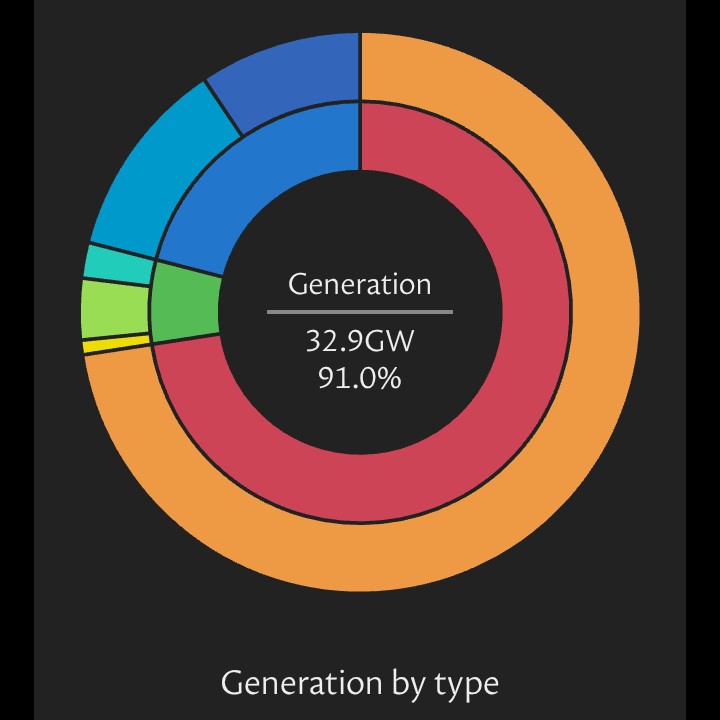
Soaring Energy Bills – Green subsidies, Contracts for Difference (CfD) payments, and infrastructure upgrades to accommodate unreliable wind and solar power have driven up household energy costs. Consumers are not only paying higher electricity bills but are also indirectly funding energy companies through levies and taxes.
Industry on Its Knees – Manufacturing, agriculture, and other energy-intensive industries are struggling to remain competitive under rising energy costs. Many British businesses now face closure or relocation, taking jobs with them.
The Attack on Rural Communities
City-based policymakers, who barely set foot outside London, are making decisions that devastate the countryside. Net Zero policies are a direct assault on rural life:
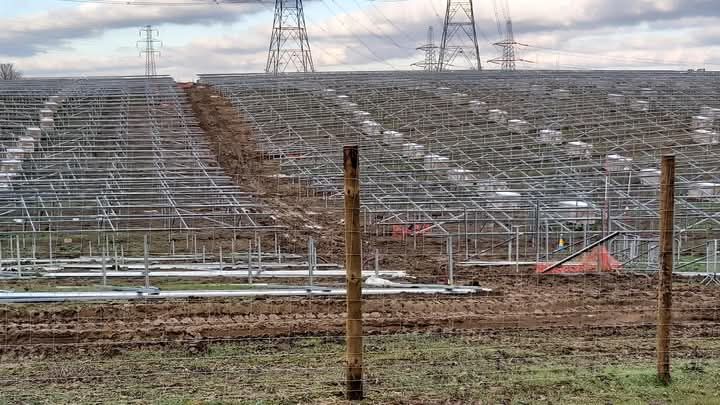
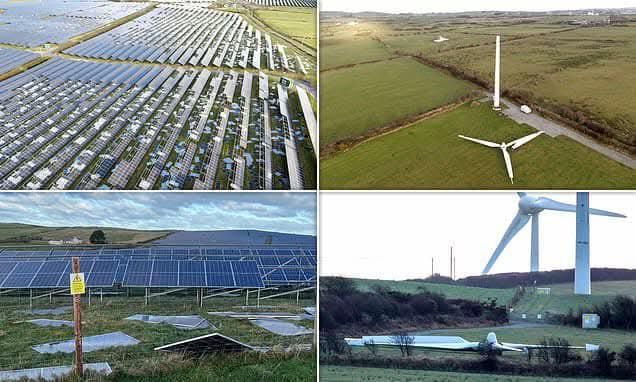
Farmland Sacrificed for Solar Farms – Thousands of acres of productive agricultural land are being covered with solar panels, reducing food production and driving up prices. The UK’s farmers, who should be supported, are instead being sidelined in favour of unreliable, weather-dependent energy schemes.
Wind Turbines Blighting the Landscape – The countryside is being turned into an industrial wasteland. Massive wind farms disrupt rural communities, lower property values, and cause environmental damage, all while failing to deliver consistent power.
The Energy Security Disaster
Net Zero policies have left the UK dangerously exposed to energy shortages and price volatility:
Intermittent Power Sources – Wind and solar are unreliable. When the wind doesn’t blow, and the sun doesn’t shine, the UK is forced to rely on imports or expensive backup power sources.
Dependency on Foreign Energy – The push to phase out traditional power sources, such as coal and gas, has made Britain more reliant on imported energy. Instead of achieving energy independence, we are now at the mercy of global markets.
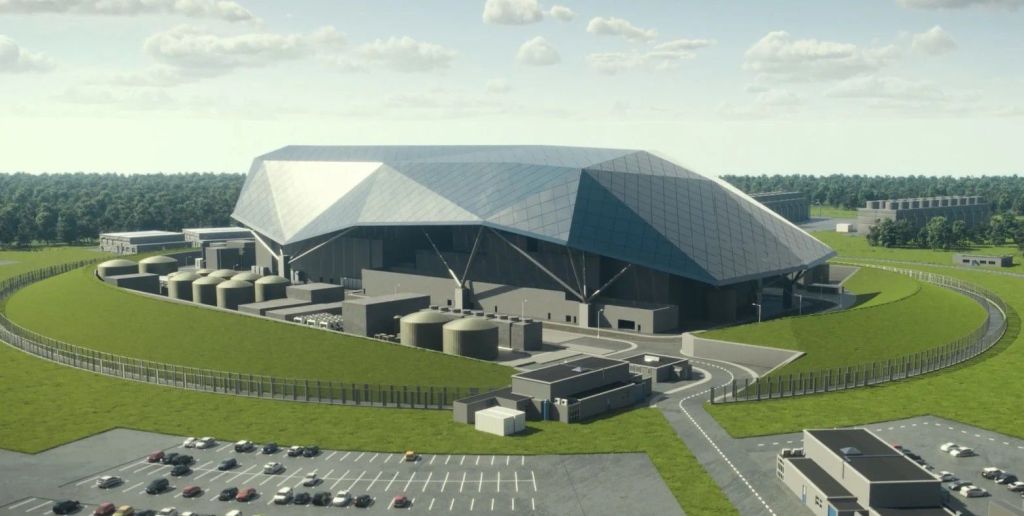
Demonisation of Nuclear – Small Modular Reactors (SMRs) could provide a stable and reliable alternative, but investment in nuclear has been sidelined in favour of inefficient renewables.
The Blinkered Outlook of City Dwellers
Many of those who champion Net Zero from their urban offices are detached from reality. They don’t see the destruction of farmland, the struggles of rural businesses, or the real-world consequences of their policies. They demand ever more energy for their expanding cities, yet they ignore where it comes from.
Concrete Jungles vs. Countryside – While towns and cities continue expanding, consuming vast amounts of resources, rural areas are being asked to “do their part” by giving up their land for solar and wind projects.
Elitist Hypocrisy – Those pushing for Net Zero often enjoy high-energy lifestyles—flying across the world for climate conferences while expecting working-class people to suffer higher costs and restrictions.
A Flawed Vision That Ignores Reality
Net Zero has become an ideological crusade, ignoring the practical needs of energy security, economic stability, and rural preservation. If the UK continues down this path, we risk:
Higher living costs and economic decline
A weakened and vulnerable energy grid
The destruction of the countryside and farming industry
It’s time to reject the Ugley truth of Net Zero and demand a realistic, balanced approach that protects both people and the planet. The future of the UK depends on it.
 SAY NO TO THE DESTRUCTION OF OUR LAND
Leave a comment