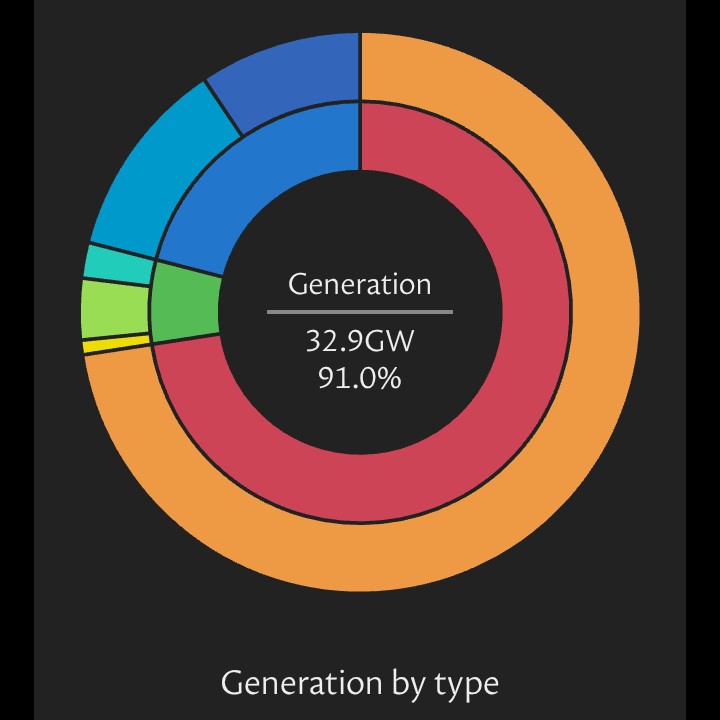
UK consumers already pay for curtailment payments, where solar and wind operators are paid to switch off when supply exceeds demand—wasting taxpayer money.
The True Costs and Environmental Damage of Solar Farms
Solar farms are often marketed as a cheap and clean solution to energy needs, but when examined critically, the costs—both financial and environmental—paint a different picture.
1. The Hidden Costs of Solar Farms
A) Financial Costs
High Installation and Maintenance Costs
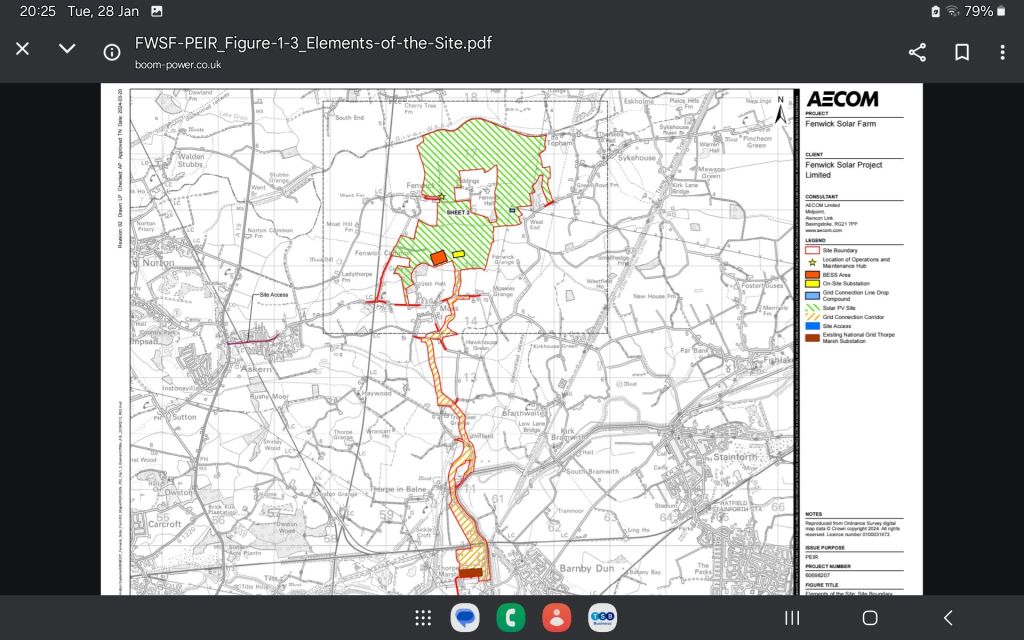
Fenwick Solar Farm (237.5 MW): Estimated at £325 million (~£1.37 million per MW).
Tween Bridge Solar Farm (600 MW): Cost details are undisclosed, but using similar metrics, it could exceed £800 million.
These costs do not include necessary grid upgrades, backup power sources, or storage systems.
Subsidies and Consumer Burden
The UK government subsidizes solar farms through Contracts for Difference (CfD), which guarantees a fixed price for solar energy, often higher than market rates.
2024 CfD subsidies for renewables: £2.362 billion, funded directly through consumer energy bills.
Capacity Market Payments: Consumers pay billions annually to fossil fuel and nuclear plants to be on standby because solar cannot provide baseload power.
Grid Expansion & Balancing Costs
Solar requires costly grid reinforcements to handle fluctuations.
The National Grid has estimated that achieving net zero will require over £3 trillion in upgrades, a significant portion due to unreliable renewables like solar.
UK consumers already pay for curtailment payments, where solar and wind operators are paid to switch off when supply exceeds demand—wasting taxpayer money.
2. The Environmental Damage of Solar Farms
A) Land Use and Agricultural Destruction
Solar farms consume vast amounts of land that could be used for food production.
Fenwick Solar Farm: Uses around 1,300 acres of farmland, taking food production out of the economy.
Tween Bridge Solar Farm: Expected to be even larger, encroaching on greenbelt land.
Once land is covered with panels, it cannot be easily returned to farming, leading to long-term loss of agricultural productivity.
B) Manufacturing Pollution & Resource Extraction
Solar panels are not “clean” to produce—they come with severe environmental costs:
Mining for Rare Materials:
Solar panels require silicon, lithium, copper, and rare earth elements, which are extracted through highly polluting mining operations, often in countries with poor environmental regulations.
Lithium mining: Destroys ecosystems and requires 500,000 gallons of water per tonne of lithium, leading to water shortages.
China dominates solar panel production, using coal-powered factories, making UK solar farms reliant on dirty energy from overseas.
Toxic Waste & Disposal Problems:
Solar panels have a lifespan of 25-30 years, after which they become hazardous waste.
Less than 10% of solar panels are properly recycled, meaning most end up in landfills, leaching toxic chemicals.
C) Habitat Destruction & Wildlife Impact
Solar farms replace biodiverse farmland with industrial infrastructure, harming wildlife.
Loss of pollinator habitats: Large-scale solar sites disrupt bee populations, affecting crop pollination.
Heat Islands: Solar panels increase local temperatures, altering ecosystems.
Glare effects: Can confuse birds, leading to collisions.
3. The Unspoken Truth: Solar is Not the Future
Despite these financial and environmental drawbacks, solar farms continue to be pushed due to political ideology, corporate greed, and government subsidies.
They require expensive backup power (gas, nuclear, or batteries).
Their low efficiency (10-12% capacity factor) means they take up far more land than other energy sources.
The UK is sacrificing food security for unreliable energy.
Conclusion
Solar farms are not a viable large-scale solution for the UK’s energy needs. Instead of wasting billions on intermittent, land-hungry solar farms, the UK should focus on nuclear, carbon capture, and improved grid storage. The real cost of solar is paid by taxpayers, consumers, and future generations who will deal with its environmental

 SAY NO TO THE DESTRUCTION OF OUR LAND
Leave a comment