Whitestone Solar Farm: Why Farmland Should Not Be Used for Solar
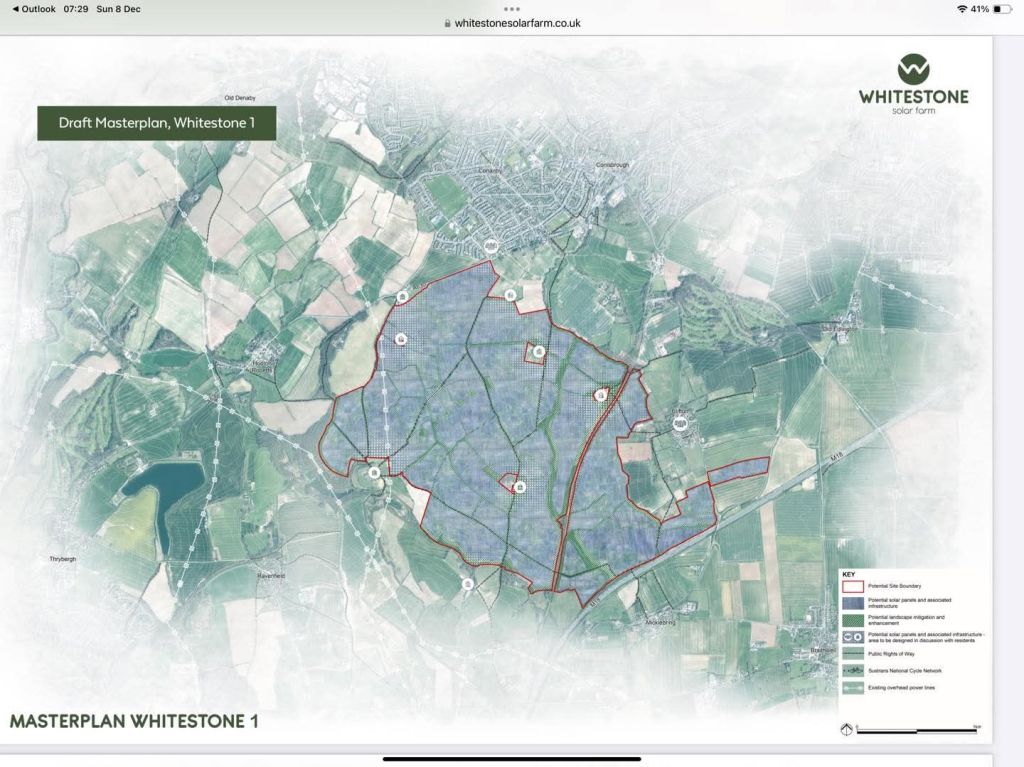
The Whitestone Solar Farm in South Yorkshire is set to be one of the largest solar farms in the UK, covering thousands of acres of farmland and greenbelt to generate up to 750 MW of power. However, despite the claims of clean energy, this project comes at a massive cost—both financially and environmentally.
With an estimated price tag of £600–750 million, this solar farm destroys valuable agricultural land while providing intermittent and unreliable energy. Meanwhile, a Small Modular Reactor (SMR) of a similar size could produce constant, stable electricity without sacrificing food security.
The High Cost of an Unreliable Energy Source
While official figures have not been released, similar projects like Fenwick Solar Farm (£300m for 350 MW) suggest that Whitestone will cost:
£600–750 million for construction and land use
£150–200 million in grid connection costs
Ongoing subsidies that drive up consumer energy bills
Cost Breakdown:
Solar Panels & Installation – £250–350 million
Land Acquisition & Preparation – £50–100 million
Grid Connection & Reinforcements – £150–200 million
Battery Storage (if included) – £125–250 million
Construction & Labour – £100–150 million
Long-term Maintenance – £200 million+ over 30 years
Even with this massive investment, solar power only works when the sun shines. It is unreliable in winter, at night, and during bad weather—forcing the UK to import power or rely on backup fossil fuel plants.
Why Destroying Farmland for Solar Is a Mistake
The biggest issue with Whitestone is its impact on agricultural land and food production. The project could consume up to 5,000 acres, removing valuable land from crop production and livestock farming.
Key Environmental Concerns:
1. Loss of Agricultural Land & Food Security
The UK is losing farmland at an alarming rate to development and solar projects.
Instead of producing food, thousands of acres will be covered with metal and glass.
Once land is lost to solar farms, it is rarely restored to agriculture.
2. Soil Damage & Increased Flooding Risks
Removing crops disrupts natural water absorption, increasing flood risks for nearby land.
Soil degradation occurs when farmland is left inactive for decades.
3. Wildlife Destruction & Habitat Loss
Large-scale solar farms fragment ecosystems, driving away wildlife.
Birds, pollinators, and small mammals lose their natural habitats.
Solar panels create a heat island effect, altering local temperatures.
4. Visual & Rural Landscape Impact
Thousands of acres of countryside will be covered in industrial infrastructure.
Reflection from solar panels can affect nearby homes and roads.
The rural character of South Yorkshire will be permanently altered.
SMRs: A Better Alternative to Large-Scale Solar
Instead of covering thousands of acres of farmland with unreliable solar panels, the UK should invest in Small Modular Reactors (SMRs)—a proven, efficient, and stable energy source.
Why SMRs Are Superior to Solar Farms:
A single 470 MW Rolls-Royce SMR (slightly smaller than Whitestone) can generate power 24/7, providing more reliable electricity without taking up thousands of acres of farmland.
Who Really Benefits from Whitestone Solar Farm?
This project is not about clean energy—it’s about profits for developers and investors, funded by government subsidies and higher consumer bills.
The Reality of Large-Scale Solar in the UK:
Solar farms only work in daylight—making them inefficient in winter and useless at night.
They take up enormous amounts of land, reducing food production.
They drive up energy prices due to the cost of grid upgrades and storage.
Instead of blindly following Net Zero targets that sacrifice farmland, the UK should prioritize stable, long-term energy solutions like SMRs.
Final Thoughts: Solar Farms Are a Step in the Wrong Direction
Whitestone Solar Farm is a short-sighted project that prioritizes corporate profits over food security and reliable energy. With costs exceeding £750 million, the loss of thousands of acres of farmland, and an unreliable energy supply, the question must be asked:
Why is farmland being sacrificed for an energy source that only works part of the time?
How much will consumers pay for grid upgrades to accommodate this unreliable power?
Why isn’t the UK investing in SMRs, which provide better energy with a smaller footprint?
The UK needs practical energy policies that balance energy security with food production. Solar farms on prime farmland are not the answer.
Take Action: Protect Our Farmland
If you agree that farmland should not be sacrificed for solar farms, help spread the word. Share this article and demand better energy policies that prioritize both food and reliable electricity.
 SAY NO TO THE DESTRUCTION OF OUR LAND
Leave a comment