How the Population is Being Persuaded to Destroy Their Environment and the Earth’s Ability to Breathe
In recent years, the global narrative has been focused on the transition to renewable energy and the need to combat climate change. However, as governments, corporations, and environmental groups push for rapid shifts toward green technologies like wind, solar, and biofuels, the public is being misled into supporting initiatives that are actually causing long-term damage to the very systems that sustain life on Earth. The narrative of saving the planet is being manipulated, and the population is unknowingly complicit in damaging ecosystems, contributing to the destruction of natural carbon sinks, and ultimately weakening the Earth’s ability to regulate CO₂ and produce oxygen.

They don’t like to mention her now though
1. The Power of Greenwashing: The Illusion of Sustainability
Greenwashing is the practice of presenting products, policies, or projects as environmentally friendly when, in reality, they cause harm to the environment. The population is often persuaded to accept and support unsustainable practices disguised as “green solutions,” which focus on short-term gains rather than long-term ecological health.
Solar and Wind Energy: The “Clean” Illusion
Solar and wind energy are often marketed as the saviors of the environment, promising to reduce carbon emissions and help reverse climate change. Yet, these technologies have hidden environmental costs:
Land Degradation: To install large-scale solar farms and wind turbines, vast amounts of land are cleared—often on fertile agricultural land or pristine natural habitats. This leads to deforestation, soil erosion, and loss of biodiversity.
Resource Extraction: The production of solar panels and wind turbines requires rare earth metals, which are extracted through highly polluting mining practices. These operations poison local waterways, destroy habitats, and displace communities.
Ecosystem Disruption: Solar farms and wind turbines disrupt local ecosystems, changing natural weather patterns, killing wildlife, and reducing natural habitats.
Despite these destructive realities, the public is led to believe that renewable energy is always a good choice, often without considering the full environmental cost.
2. Climate Alarmism and the “Urgency” Narrative
Governments and environmental organizations use alarmist rhetoric to create a sense of urgency around climate change. The narrative of “saving the planet” has caused widespread fear and panic, leading people to support policies and technologies without fully understanding the trade-offs or potential consequences.
Misleading Messaging: Phrases like “the world is running out of time” or “we must act now” have made the public feel that any action, no matter the impact, is better than inaction. This has led to a rush for renewable energy without sufficient consideration of ecological consequences.
Sacrificing Ecosystems for Climate Goals: People are persuaded to accept the loss of natural habitats, soil, and even biodiversity because they are told it is necessary for climate action. In reality, sacrificing the planet’s lungs—its forests, wetlands, and oceans—undermines efforts to restore ecological balance and ultimately harms our efforts to regulate CO₂ in the atmosphere.
By creating a sense of urgency and framing the situation as an all-or-nothing choice, the public is led to believe that any action, no matter how destructive, is a legitimate way to tackle climate change.
3. Corporate Influence and Economic Incentives
Corporations have a powerful role in shaping public opinion. In the case of renewable energy, the financial benefits for corporations often outweigh the environmental considerations. Massive subsidies and incentives are being used to push for large-scale projects that devastate ecosystems, all in the name of “sustainability.”
Financial Incentives for Destruction: Governments provide subsidies for solar, wind, and biofuel projects, which encourage companies to build without sufficient oversight or consideration of the ecological impact. These projects are sold to the public as green, while their environmental damage is hidden.
Corporate Lobbying: Large corporations, from energy giants to mining companies, lobby governments to continue supporting green energy projects that serve their bottom line, despite the negative impact on the environment. Public support is cultivated through misleading marketing and narratives that claim these technologies are clean and harmless.
Corporations are persuading the public to accept the destruction of ecosystems by framing these projects as necessary for progress and climate action, all while prioritizing profit over sustainability.
4. The Green New Deal and Sacrificing Natural Carbon Sinks
Government initiatives like the Green New Deal push for drastic decarbonization by shifting away from fossil fuels and investing heavily in renewable energy. While the goal of reducing carbon emissions is commendable, the rapid deployment of solar farms, wind turbines, and biofuel plantations is causing harm to natural carbon sinks.
Loss of Carbon-Sequestering Forests: Forests are essential for absorbing CO₂ from the atmosphere, but these natural carbon sinks are being cleared for renewable energy infrastructure. The public is led to believe that the end goal—lower carbon emissions—is worth the cost of losing forests, which are essential for regulating the global carbon cycle.
Agricultural Land Sacrifice: In many cases, farmland is being converted into solar farms or biofuel plantations. This reduces food production capacity, threatens biodiversity, and removes land that would otherwise help sequester CO₂.
People are persuaded to accept short-term solutions to climate change that cause long-term damage to the environment’s ability to breathe, largely due to the framing of these decisions as necessary to combat a global crisis.
5. Misinformation and Lack of Transparency
Many of the issues surrounding large-scale renewable energy projects are not made clear to the public. Without full transparency about the environmental costs and the sustainability of these initiatives, people are unknowingly supporting projects that harm ecosystems.
Lack of Public Discourse: There is little discussion about the hidden impacts of solar and wind energy, such as land use, habitat destruction, and resource extraction.
Underreported Ecological Damage: The media and public campaigns often fail to highlight the negative ecological impacts of these projects, focusing only on the positive aspects of reducing carbon emissions.
Overlooking Alternatives: In the rush to embrace renewables, alternatives like nuclear energy, which has a smaller land and environmental footprint, are often overlooked or dismissed due to political or ideological reasons.
The population is being misinformed and manipulated into supporting the destruction of natural ecosystems, unaware of the long-term consequences for the planet’s ability to breathe.
Conclusion: The Need for a Balanced Approach
The public has been persuaded that green energy is the solution to climate change, yet the unintended consequences of these initiatives are severely impacting ecosystems. From land degradation and habitat loss to resource extraction and water pollution, solar and wind energy projects are damaging the very systems that support life on Earth.
It is crucial that we shift the narrative and demand more responsible, transparent, and sustainable energy solutions that truly work in harmony with the planet. Instead of pursuing energy solutions that destroy ecosystems in the name of progress, we need to prioritize long-term ecological health and rely on energy sources that minimize harm to the Earth’s ability to regulate CO₂ and produce oxygen. Only then can we truly create a sustainable future for both humanity and the environment.
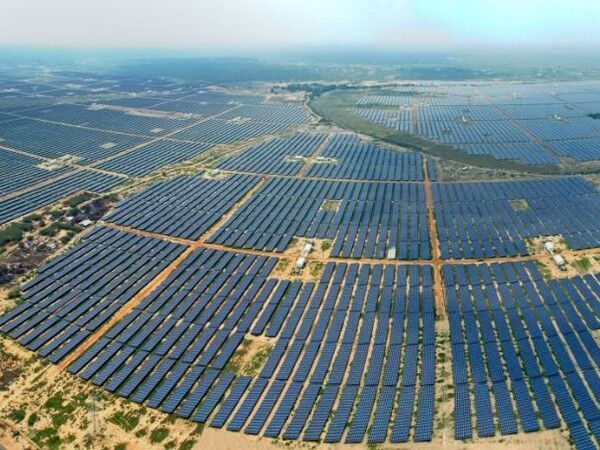
 SAY NO TO THE DESTRUCTION OF OUR LAND
Leave a comment