Why Solar Panels Should Not Be Placed on Agricultural and Greenbelt Land: The Case of Whitestone 1, 2, and 3 in Rother Valley and Conisbrough
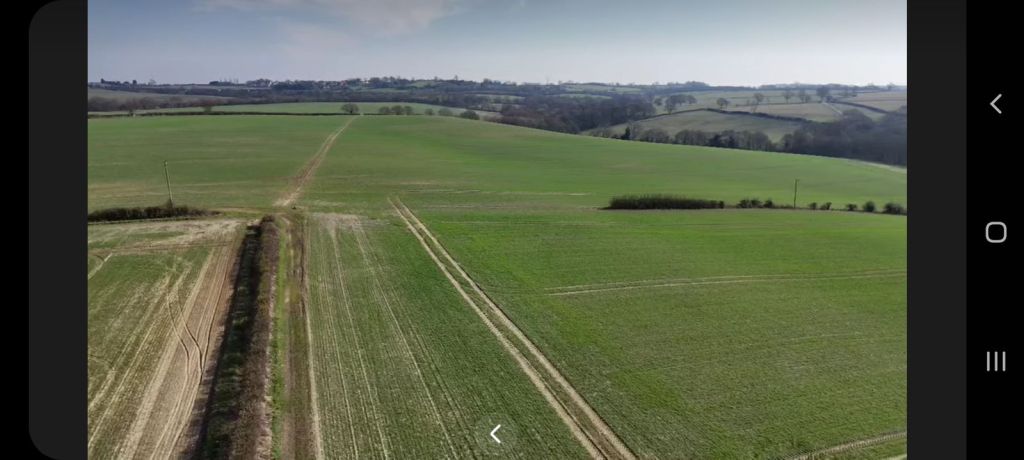
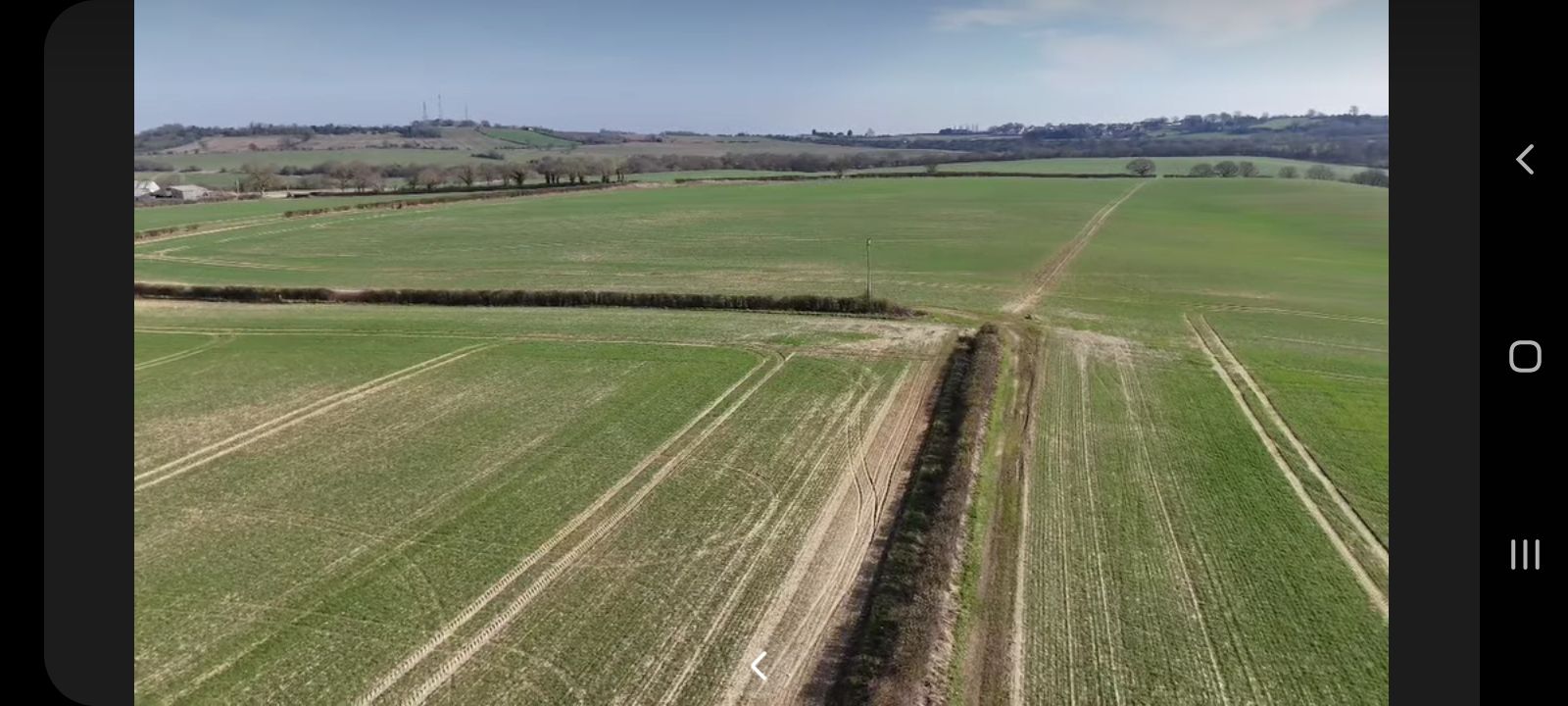
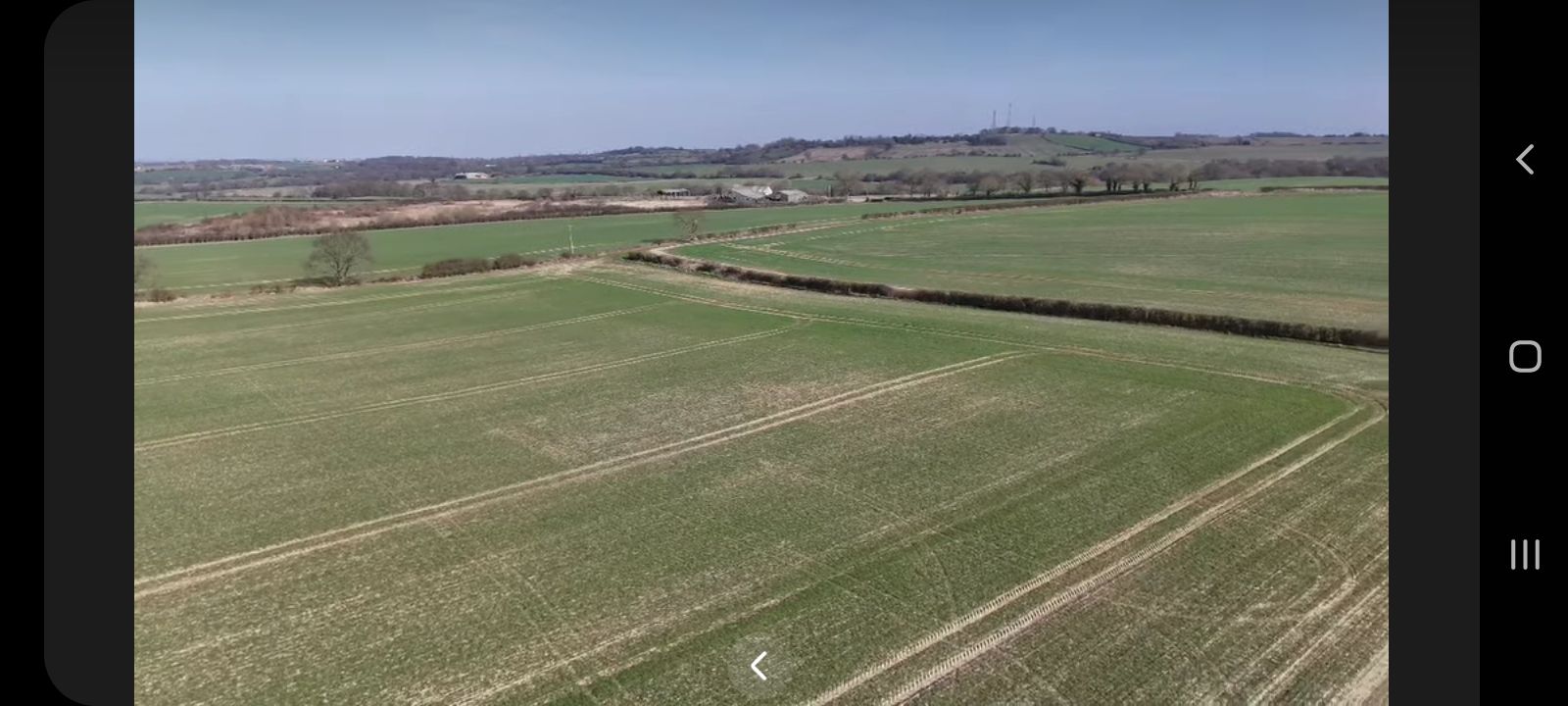
The push for large-scale solar farms is accelerating across the UK, with developers targeting vast areas of agricultural and greenbelt land. The proposed Whitestone 1, 2, and 3 solar farms in the Rother Valley and Conisbrough area highlight the dangers of this trend, threatening prime farmland, natural ecosystems, and the character of the countryside. Here’s why these projects—and others like them—must be stopped.

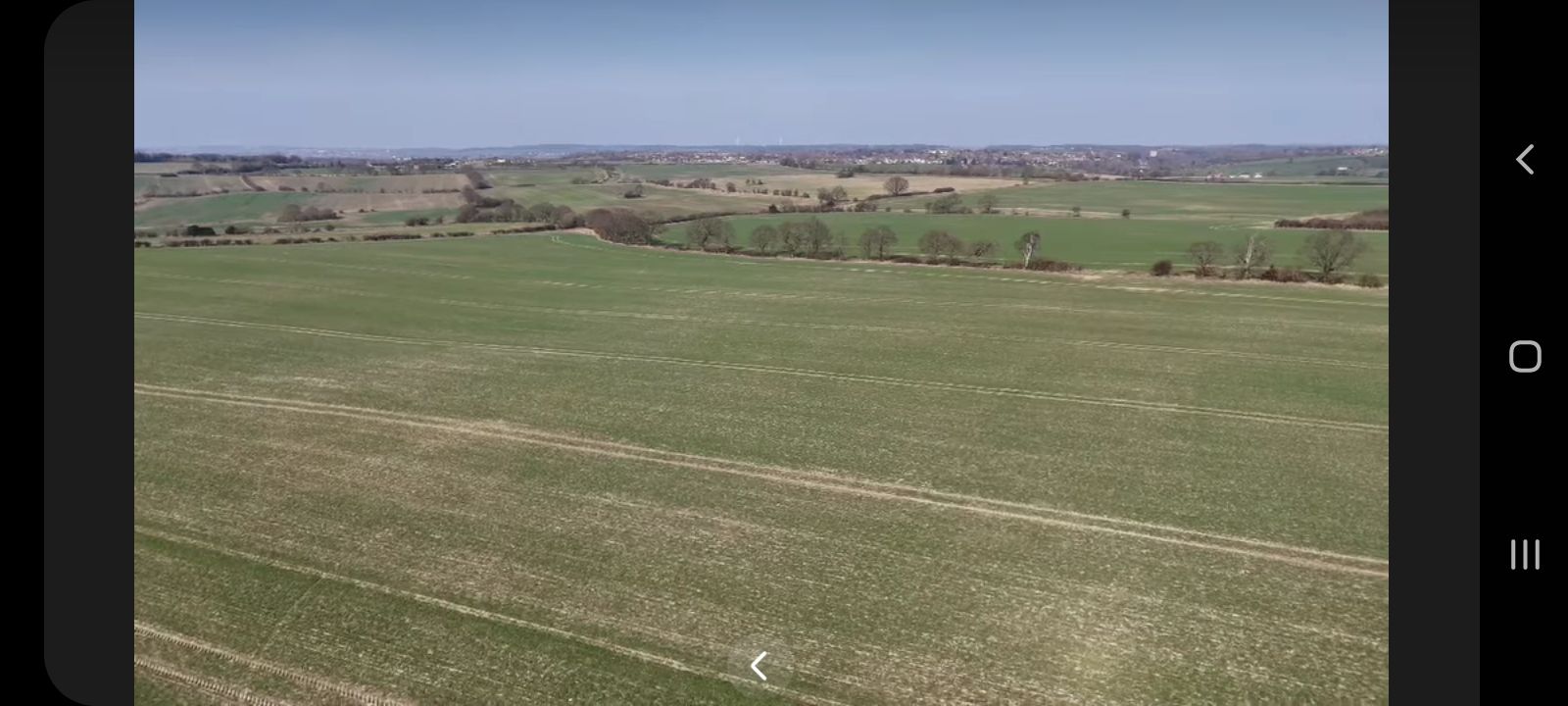
1. Loss of Agricultural Land and Food Security
The UK has already lost significant amounts of farmland to development, and solar projects on agricultural land further reduce our ability to produce food. The Whitestone proposals would see thousands of acres taken out of food production, despite increasing concerns over food security and rising global instability. As the UK imports more food, we become vulnerable to supply chain disruptions and price fluctuations. Farmland should be used for farming, not industrial-scale energy projects.
2. Destruction of the Greenbelt and Local Countryside
The Greenbelt exists to prevent urban sprawl and protect the rural landscape. The Whitestone projects threaten to industrialize areas meant to remain undeveloped, damaging the natural beauty of Rother Valley and Conisbrough. Once the countryside is lost, it is unlikely to be reclaimed, permanently altering the character of the region.
3. Environmental Damage and Impact on Wildlife
Despite being marketed as “green energy,” solar farms disrupt local ecosystems. The Whitestone developments would displace wildlife, destroy natural habitats, and change drainage patterns, increasing flood risks. The heavy infrastructure required for solar farms—including security fencing, cabling, and access roads—further fragments the landscape, harming biodiversity.
4. Inefficiency and Land Use Concerns
Solar farms require vast amounts of land yet deliver intermittent and unreliable power. The Whitestone projects, spread across three locations, will consume huge swathes of land while providing electricity only when the sun shines. In contrast, alternatives like nuclear Small Modular Reactors (SMRs) or rooftop solar on buildings provide far more efficient energy solutions without consuming productive land.
5. Industrialization of Rural Communities
Local communities in Rother Valley and Conisbrough will face the consequences of these developments—loss of open views, increased traffic during construction, and potential noise from substations and battery storage facilities. These projects are being imposed on rural areas without sufficient local consultation, disregarding the voices of residents who will be most affected.
The Alternative: Sensible Energy Policy
Instead of sacrificing farmland and greenbelt areas, the government should focus on:
Rooftop Solar – Prioritizing solar on homes, warehouses, and industrial estates.
Brownfield Sites – Using land that has already been developed rather than destroying rural landscapes.
Grid Upgrades and SMRs – Investing in stable and efficient energy solutions like nuclear power instead of unreliable solar.
Time to Say No to Whitestone 1, 2, and 3
The Whitestone proposals are a clear example of misguided energy policy. If approved, they will contribute to the destruction of farmland, harm local communities, and erode the greenbelt—all while providing inconsistent energy at high costs. The UK must rethink its approach to renewable energy and protect the land that sustains us.
What You Can Do
Support Local Opposition – Join campaigns against the Whitestone developments.
Raise Awareness – Share the impact of these projects on social media and in your community.
Pressure Decision-Makers – Contact MPs and local councils to demand a halt to solar farms on agricultural land.
The fight for our countryside is now. We must act before it is too late.
 SAY NO TO THE DESTRUCTION OF OUR LAND
Leave a comment