For years, UK politicians have promised lower energy bills through green initiatives, but reality has failed to match the rhetoric. Both Boris Johnson and Ed Miliband have pledged to cut household energy bills by £300 through green energy policies. Yet, under Johnson’s tenure, bills soared, and Miliband’s promises appear destined for a similar fate. 🔥⚠️💸
Boris Johnson’s £300 Energy Savings Promise: A Broken Pledge 🚨📉💡
As part of his Ten Point Plan for a Green Industrial Revolution (2020) and the British Energy Security Strategy (2022), Boris Johnson’s government claimed that investments in offshore wind, hydrogen, and home insulation would help lower energy bills. The plan included:
- Offshore wind expansion: 40GW target by 2030
- Nuclear investment: New large plants and Small Modular Reactors (SMRs)
- Home energy efficiency measures: Grants for heat pumps and insulation
The Reality: ❌📊💰
- Energy bills skyrocketed – From 2021 to 2022, the average household energy bill increased by over 80%, rising from £1,042 to £1,971 before further hikes in 2023. 📈🔥💷
- Home insulation failures – The Green Homes Grant was scrapped after failing to reach 10% of the projected households. 🏠❌📉
- Offshore wind delays – Despite promises, the UK failed to attract enough investment, and the 2023 wind energy auction saw zero bids for new projects. 💨⚠️🚫
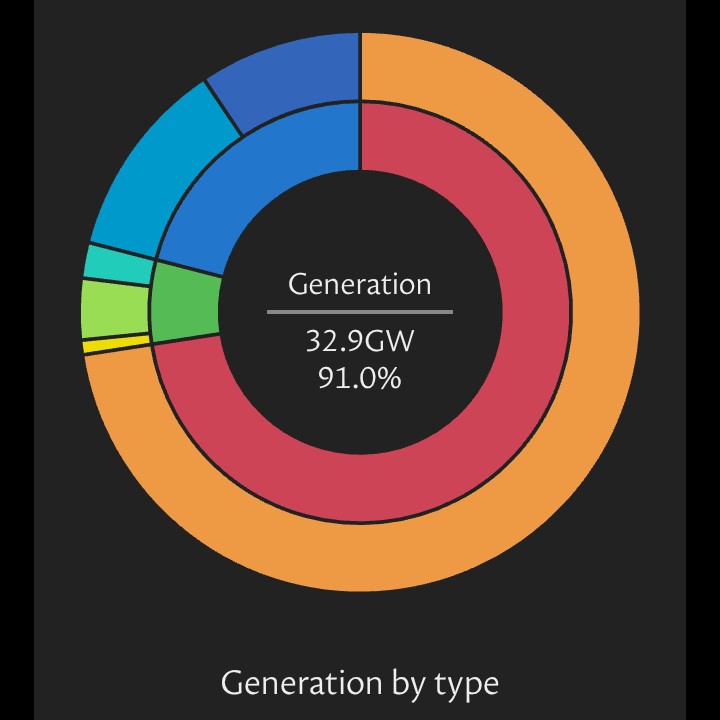
Gas dependency remained high – In 2022, 38% of electricity was still generated from natural gas, keeping energy prices volatile. ⛽📊🔄
Ed Miliband’s £300 Energy Savings Promise: A Repeat of the Past? 🔄⚡💷
Ed Miliband, now Energy Security and Net Zero Secretary, has pledged that Labour’s green energy plan will lower bills by £300 annually by 2030. His plan focuses on:
- Great British Energy: A new state-owned renewable energy company
- Renewable expansion: More wind and solar projects to reduce reliance on fossil fuels
- A fully green grid by 2030
The Emerging Failures: ⚠️💡❌
The Emerging Failures: ⚠️💡❌
- Over-optimistic projections – The National Energy System Operator (Neso) states that the £300 savings claim is based on assumptions that may not materialize. 📉💭⚠️
- Zonal pricing risks – Plans to divide the UK into energy pricing regions could cause bills to rise in some areas rather than fall. 🏠💰🔀
- Green energy costs adding to bills – Consumers are already paying £12 billion per year in green levies, and infrastructure upgrades could push costs even higher. 💸📊📉
The Pattern of Political Failure ❌📉⚠️
Both Johnson and Miliband have used the promise of lower bills to sell ambitious energy transitions, yet UK consumers continue to see higher costs, increased instability, and continued reliance on gas. 💡🔄💷
The promise of a £300 reduction in bills has become a symbol of political failure. With a cost-of-living crisis affecting millions, real solutions are needed—not more broken promises. 🚨📊💸
Will the next government learn from these failures, or will history repeat itself? 🔄❓📉
 SAY NO TO THE DESTRUCTION OF OUR LAND
Leave a comment