What I would like to happen
To abandon the ideological commitment to Net Zero by 2050 and replace it with a cost-effective, sovereign energy and infrastructure strategy that prioritises national interest, affordability, and industrial productivity — not global virtue-signalling.
Why Net Zero Must Go along with the quangos and Denz
Cost: Net Zero is projected to cost the UK £1.4 trillion by 2050 (Office for Budget Responsibility, 2021). That’s £50,000 per household — an unaffordable burden.
Minimal Global Impact: The UK contributes just 1% of global emissions, while China and India continue expanding coal use (IEA, 2023).
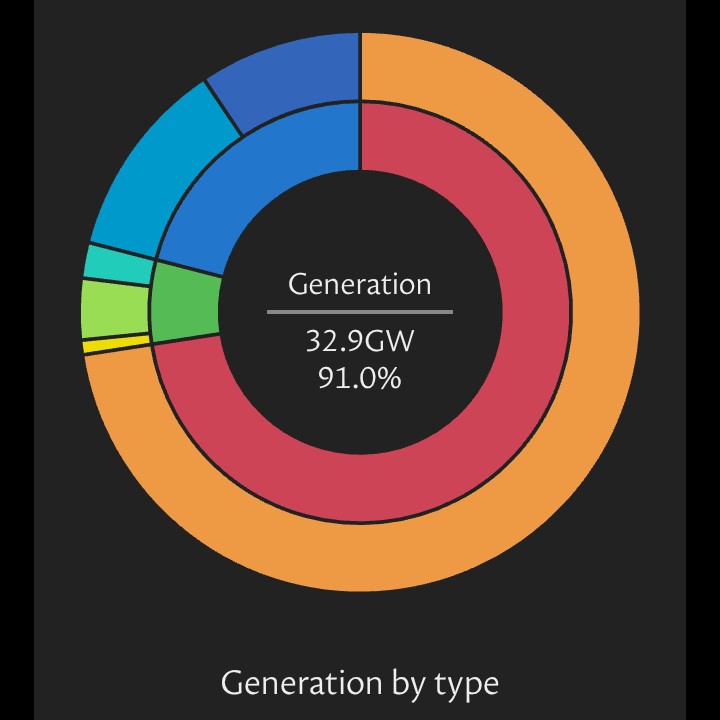
Grid Instability: Wind and solar are intermittent. In winter 2022, Britain had to fire up emergency coal plants due to low wind (National Grid ESO, 2022).
Land Grab: Massive solar and battery storage farms are swallowing up productive farmland across Yorkshire and Lincolnshire.
Public Opposition: Polling shows most Britons are unwilling to pay more for green policies (YouGov, 2023).
Policy Proposals
1. Cancel Net Zero Commitments
Repeal the legally binding Net Zero by 2050 target under the Climate Change Act.
Withdraw from international climate treaties that damage British energy security or impose external obligations.
2. Build a Realistic, Sovereign Energy Strategy
Invest in SMRs (Small Modular Reactors) by British firms like Rolls-Royce — scalable, safe, and low-cost.
Restart domestic exploration for North Sea oil and gas, shale where viable, and coal gasification.
Upgrade and extend life of existing nuclear plants (e.g. Heysham, Hartlepool).
Support energy-from-waste technologies and local combined heat and power (CHP) systems.
3. Stop Wasting Land on Solar and BESS Megaprojects
Ban industrial solar farms and large battery storage units on green belt and food-producing land.
Prioritise energy development on brownfield and industrial sites.
4. Use AI and Modernisation to Lower Emissions Intelligently
Invest in industrial efficiency through automation, process AI, and waste heat recovery.
Retrofit infrastructure with smart control systems rather than blanket restrictions or levies.
Benefits & Projections
Scrapping Net Zero could save the UK up to £30 billion per year (Net Zero Watch, 2023).
SMRs could provide 25% of UK electricity needs by 2045 with 40,000 skilled jobs (Rolls-Royce, 2022).
AI-based energy management could cut industrial energy usage by 15–25% (IEA, 2022).
Reducing grid instability would lower blackout risk and energy costs — stabilising prices for families and manufacturers.
References
Office for Budget Responsibility – Fiscal Risks Report (2021)
National Grid ESO Winter Outlook (2022)
International Energy Agency – Global Energy Review (2023)
Net Zero Watch – Energy Cost Analysis (2023)
Rolls-Royce SMR Investment Brief (2022)
IEA Digital Energy Efficiency Report (2022)
YouGov – Climate Policy Polling (2023)
 SAY NO TO THE DESTRUCTION OF OUR LAND
Leave a comment