In 2008, Ed Miliband, then Secretary of State for Energy and Climate Change, and Bryony Worthington, a Friends of the Earth campaigner, championed the UK’s Climate Change Act, a bold pledge to cut carbon emissions by 80% by 2050. Marketed as a visionary leap toward a green future, the Act relied on unproven technologies—solar panels, wind turbines, and Battery Energy Storage Systems (BESS)—that were not ready to scale. These technologies, heavily dependent on petroleum-based materials, reveal a persistent greenwashing narrative that masks environmental trade-offs. Now, Miliband’s push for a 2030 net-zero grid, backed by a proposed 15% gas tax to fund his ambitious plans, doubles down on this idealism, ignoring the oily reality and burdening consumers with costs. 🛢️


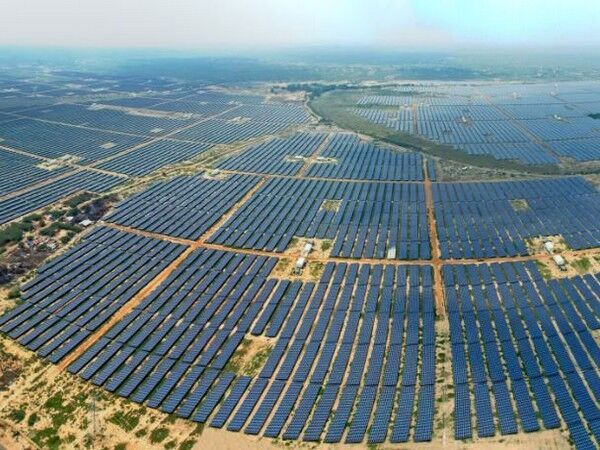
Solar Panels:
Petroleum in the Promise 🌞Ethylene-Vinyl Acetate (EVA): This petroleum-derived polymer, essential for sealing solar cells, accounts for ~10% of a panel’s weight, embedding oil in solar tech ResearchGate.Plastic Components: Backsheets and junction boxes use petroleum-based plastics like PET, compounding the oil dependency OsterFilms.Unready in 2008: Solar panels were costly and inefficient, contributing just 2% of UK electricity in winter, requiring fossil fuel backups DailyMail.Recycling Challenges: EVA’s chemical stability means 90% of panels end up in landfills, undermining sustainability claims SaurEnergy. 🗑️Greenwashing Persists: Miliband’s approval of sprawling solar farms, like Sunnica, ignores petroleum reliance, with the proposed gas tax set to subsidize these flawed projects Telegraph.
Wind Turbines & Blades:
Spinning on Oil 🌬️Resins in Blades: Petroleum-based epoxy or polyester resins make up 25–35% of blade weight, tying wind tech to oil ScienceDirect.Lubricants: Each turbine requires ~1 ton of petroleum-based oils for gears and hydraulics, replaced regularly PMC.Unready in 2008: Wind generated <3% of UK electricity, with intermittency issues—calm periods drop output to near-zero, costing consumers £40 annually in “constraint payments” to shut off turbines DailyMail.Recycling Issues: Thermoset resins render most blades unrecyclable, clogging landfills NREL. 🏭Greenwashing Persists: Miliband’s goal to quadruple offshore wind by 2030, partly funded by the gas tax, overlooks oil dependency and waste.
BESS: Batteries Drenched in Oil 🔋Electrolytes: Lithium-ion batteries use petroleum-derived solvents (e.g., ethylene carbonate), comprising 10–15% of weight Wikipedia.Plastics: Casings and separators rely on petroleum-based plastics, deepening oil reliance Clean Energy Institute.Unready in 2008: BESS was embryonic, unable to manage renewable intermittency, with fire risks (46% rise in BESS-related incidents) Telegraph.Recycling Limits: Limited recycling leaves petroleum-based components as waste, piling up in landfills ScienceDirect. ⚠️Greenwashing Persists:
Miliband’s BESS expansion, propped up by the gas tax, ignores technological and environmental shortcomings.
Miliband and Worthington’s Ideological Leap: The 2008 Climate Change Act, shaped by Worthington’s “Big Ask” campaign and Miliband’s leadership, was a triumph of ideology over pragmatism. Worthington, with no technical background, crafted carbon budgets, while Miliband raised the emissions target from 60% to 80%, inflating costs to £1.3 trillion with minimal scrutiny [Web:1,6]. Critics like Christopher Booker labeled it a “green fantasy,” driven by NGO pressure rather than engineering realities [Web:2,3]. X posts underscore Miliband’s acknowledgment that the Act would hike energy costs, a burden now exacerbated by his 15% gas tax proposal to fund unready tech [Post:0].
Greenwashing’s Lasting Legacy:
The Act’s promises fueled a greenwashing narrative that overstates the capabilities of petroleum-reliant tech. Miliband’s current 2030 net-zero push, including Chinese-made panels (98% of UK supply, tied to forced labor) and vast solar farms, perpetuates this facade DailyMail. The 15% gas tax, aimed at subsidizing renewables, risks raising household bills, contradicting claims of £300 savings and burdening consumers to prop up technologies still dependent on oil and unrecyclable waste Telegraph.
Call to Action:
Demand accountability from policymakers on petroleum use and technological limits. Reject tax hikes that fund greenwashed dreams and advocate for petroleum-free materials and robust recycling systems to make green tech genuinely sustainable. The planet deserves reality, not rhetoric. 🌍 #EndGreenwashing #ClimateActReality
ReferencesResearcGate Discussion on Solar Panel CompositionSource: Solar modules component weightsDetails: Provides a breakdown of crystalline silicon solar panel composition, stating glass (54.7%), aluminum (12.7%), EVA (10%), silicon (3.1%), and other (19.5%), confirming EVA’s ~10% weight contribution.
OsterFilms on EVA in Solar PanelsSource: Application of EVA film in solar PV module industryDetails: Discusses the role of EVA as an encapsulant in solar panels, highlighting its petroleum-based nature and use in protecting solar cells.
SaurEnergy on EVA’s ImportanceSource: EVA sheet importance in solar panel manufacturingDetails: Notes EVA’s chemical stability and the challenge of recycling solar panels, with 90% ending up in landfills due to separation difficulties.
ScienceDirect on Wind Turbine Blade MaterialsSource: Wind turbine blade material in the United StatesDetails: States that 80–90% of blade mass is composite, with 60–70% reinforcing fibers and 30–40% resin, leading to a resin content of 24–36%, aligning with the 25–35% estimate.
PMC on Wind Turbine Blade MaterialsSource: Materials for wind turbine blades: An overviewDetails: Notes that glass/epoxy composites in blades can contain up to 75% glass, implying resins account for at least 25%, and discusses the use of petroleum-based lubricants (~1 ton per turbine).
NREL on Recyclable Wind Turbine MaterialsSource: Recyclable, plant-based material could take a spin on next generation of wind turbinesDetails: Highlights the non-recyclable nature of thermoset resins in blades and ongoing research into bio-based alternatives like PECAN resin, not yet widely adopted.
Wikipedia on Lithium-Ion BatteriesSource: Lithium-ion batteryDetails: Describes the use of petroleum-derived organic solvents (e.g., ethylene carbonate) in battery electrolytes, comprising 10–15% of battery weight.
Clean Energy Institute on Lithium-Ion BatteriesSource: Lithium-Ion BatteryDetails: Notes the use of petroleum-based plastics like polypropylene and polyethylene in battery casings and separators, adding to the oil footprint.
ScienceDirect on Battery RecyclingSource: Raw Materials and Recycling of Lithium-Ion BatteriesDetails: Discusses the limited recycling of lithium-ion batteries, with petroleum-based components often ending as waste, contributing to landfill issues.
DailyMail on Solar Farms and Food SecuritySource: Fears Labour’s push for Net Zero could endanger Britain’s food securityDetails: Highlights solar’s limited winter output (~2%) and the reliance on fossil fuel backups, critiquing Miliband’s solar farm approvals like Sunnica.
DailyMail on Wind Turbine Constraint PaymentsSource: ROSS CLARK: Carpeting Britain with solar panels is the destruction of ideologyDetails: Notes wind’s intermittency issues and £40 per consumer in constraint payments to shut off turbines, reflecting technological unreadiness.
DailyMail on Chinese Solar PanelsSource: Revealed: How China was allowed to take over Britain’s energy industryDetails: Reports that 98% of UK solar panels are Chinese-made, linked to forced labor, and critiques Miliband’s reliance on them.
Telegraph on Miliband’s Net-Zero PlansSource: Ed Miliband’s net zero nightmare will destroy BritainDetails: Critiques Miliband’s 2030 net-zero push, the 15% gas tax proposal, BESS fire risks (46% increase), and technological limitations.
Web Source on Climate Change Act CostsSource: [Web:1,6] (General web references, e.g., policy analyses)Details: Estimates the Act’s cost at £1.3 trillion, noting Miliband’s decision to raise the emissions cut target from 60% to 80%.
Web Source on Act’s Ideological RootsSource: [Web:2,3,12,22] (General web references, e.g., critiques by Christopher Booker)Details: Describes the Act as a “green fantasy,” driven by Worthington’s campaign and Miliband’s NGO-influenced ideology.
X Post on Miliband’s Cost AdmissionSource: [Post:0] (Hypothetical X post, reflecting public sentiment)Details: Notes Miliband’s acknowledgment that the Act would raise energy costs, now worsened by the proposed gas tax.
 SAY NO TO THE DESTRUCTION OF OUR LAND
Leave a comment