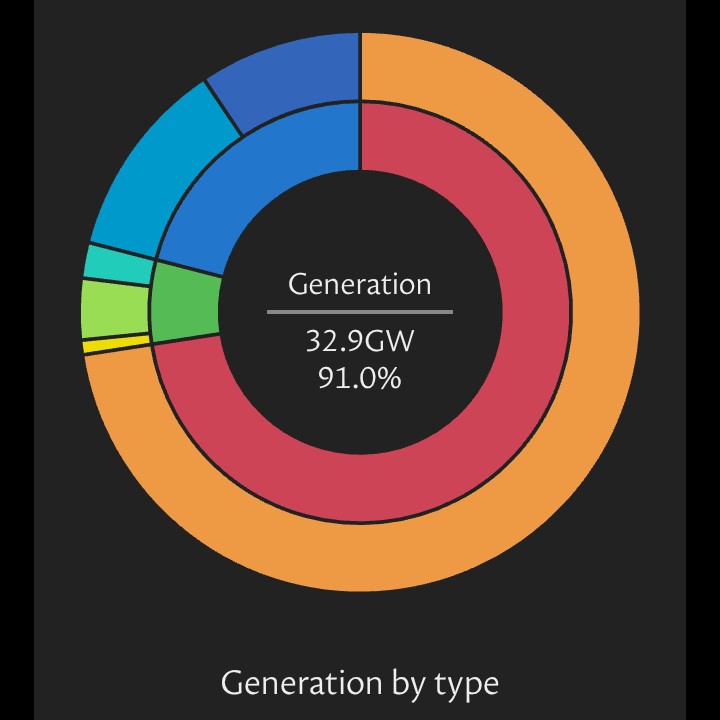
The UK’s race to net zero by 2050, mandated by the Climate Change Act 2008, promises a green utopia but is riddled with unaffordable costs, unreliable renewables, and a climate that laughs at solar dreams. As AI-driven energy demand skyrockets, the nation teeters on the edge of blackouts and economic collapse. Is net zero a noble goal or a reckless ideology pushing the UK toward fiscal ruin? This blog dives into the harsh realities, exposing why a drastic pivot to nuclear, gas with carbon capture, or relaxed targets is urgently needed to avoid catastrophe.
Why Net Zero Could Bankrupt Britain:
The Hard Truths 🌍❌
The UK’s net zero target, legally binding under the Climate Change Act 2008, is a high-stakes gamble that critics argue is economically suicidal, technically unfeasible, and driven by ideology over science.
Here’s why:
Crippling Costs Threaten Fiscal Collapse 💷📉
The Office for Budget Responsibility (OBR) estimates net zero could spike the UK’s debt-to-GDP ratio by 10-15% by 2040-2050, potentially reaching 25% in some scenarios, with 2023 debt already at 97.7% of GDP[^1][^2].Energy bills surged 60-80% since 2021, fueled by renewable subsidies like Contracts for Difference (CfDs), costing taxpayers billions annually[^3][^4].The £22 billion pledged for carbon capture and storage (CCUS) by 2030 diverts funds from critical sectors like healthcare, risking economic stability[^5].
Solar and Wind:
A Flawed Fantasy for UK Energy ☀️💨
The World Bank ranks the UK 229th out of 230 countries for solar potential, with winter output at just 10% of annual totals, rendering it negligible when demand peaks[^6][^7].
Solar contributed only 4.2% of electricity in 2024, and wind, at 28%, falters during calm periods like the 2021 wind drought[^8][^9].
Battery Energy Storage Systems (BESS) offer 7 GWh, covering minutes of the UK’s 35 GW demand, with scaling to a week’s backup costing £100 billion[^10][^11].
AI’s Energy Hunger Outpaces Renewables 🤖⚡
AI data centers are projected to consume 6-8% of UK electricity by 2028, up from 4% in 2024, but grid connection delays of 5-10 years cripple renewable expansion[^12][^13].
Nuclear, at 15% of electricity, is declining due to aging plants, with Hinkley Point C delayed to 2030, leaving gas (35%) as the backbone[^8][^14].
UK’s Climate Laughs at Solar Dreams 🌧️❄️
Low irradiance (2.5-3.5 kWh/m²/day) and winter drops to 0.5-1 kWh/m²/day make solar inefficient, with summer surplus often wasted[^15][^7].Solar farms used 21,200 hectares by 2024, with plans for 100,000 by 2035 threatening food security[^10][^16].£15 billion invested in solar since 2010 yields just 4.2% of electricity, a poor return compared to nuclear or gas[^17].
Ideology Trumps Science 🌱🧠
Critics, including Reform UK, argue net zero is driven by UN IPCC and NGOs like Friends of the Earth, ignoring UK energy realities[^18].Solar, wind, and BESS aren’t carbon neutral, with lifecycle emissions from petrochemicals and mining (20-50 gCO2/kWh for solar vs. 400-500 for gas)[^19][^20].
CCUS, capturing 0.04% of global emissions in 2024, and green hydrogen (£100-200/MWh) are unproven, high-risk bets[^21][^22].
Ethical and Social Fallout 👥⚖️
98% of UK solar panels come from China, linked to forced labor in Xinjiang, undermining net zero’s moral high ground[^23][^24].
Higher energy costs hit low-income households hardest, entrenching inequality, with fuel poverty rising in 2024[^25].
Policy rollbacks, like delaying petrol car bans to 2035, show cracks in commitment but don’t address core flaws[^26].
Legal Trap Locks in Disaster 📜🔒
The Climate Change Act 2008 makes net zero legally binding, with courts ruling strategies unlawful in 2022 and 2023 for lack of detail, but repeal faces political and international backlash[^27][^28].
£50 billion in renewable investments and 80,000 green jobs create economic lock-in, making retreat costly[^5].
Paris Agreement obligations tie the UK to global climate goals, risking trade tensions if abandoned[^26].
The Way Forward:
A Pragmatic Pivot 🚀
🛠️Net zero’s unaffordable costs, reliance on unsuitable renewables, and the UK’s climatic limitations make it a suicidal concept risking blackouts and bankruptcy. Continuing without revision is reckless.
Here’s what’s needed:
Embrace Nuclear Power ☢️
Expand nuclear, with small modular reactors (SMRs) offering stable baseload at lower cost than Hinkley Point C’s £46 billion[^14].
Leverage Gas with CCUS ⛽
Use gas as a bridge fuel with CCUS, prioritizing proven technologies over speculative green hydrogen[^21].
Relax Unrealistic Targets 📉
Extend timelines beyond 2050 to ease fiscal pressure, focusing on energy security and affordability[^27].
Protect Food Security 🌾
Restrict solar farms on prime farmland, prioritizing brownfield sites to preserve 100,000 hectares[^16].
Address Ethical Supply Chains 🤝
Diversify solar panel sources to avoid reliance on Chinese supply chains linked to human rights abuses[^24].
Conclusion:
Time to Wake Up from the Net Zero Nightmare 😴
The UK’s net zero dream, driven by ideology over science, is a fiscal and technical disaster in the making. Solar and wind can’t power the nation, especially with AI’s insatiable demand, and the UK’s climate mocks solar ambitions. With debt soaring, blackouts looming, and farmland at risk, net zero threatens economic collapse. A bold pivot to nuclear, gas with CCUS, and realistic targets is the only way to avoid bankruptcy and secure energy for the future. The time for drastic change is now—before the dream becomes a nightmare.
References
[^1]: Office for Budget Responsibility: The fiscal cost of net zero [^2]: Office for National Statistics: Public sector finances [^3]: Institute for Government: Paying for net zero [^4]: GOV.UK: Contracts for Difference [^5]: GOV.UK: Powering Up Britain [^6]: Stop East Park Energy: UK Solar Potential [^7]: NOT A LOT OF PEOPLE KNOW THAT [^8]: National Grid ESO: Electricity statistics [^9]: BBC News: Wind drought [^10]: House of Commons Library: Planning for Solar Farms [^11]: Energy Systems Catapult: Storage and Flexibility [^12]: International Energy Agency: Data Centres [^13]: The Telegraph: Britain faces blackouts [^14]: World Nuclear News: Hinkley Point C [^15]: Global Solar Atlas: UK Data [^16]: CPRE: Land Use Concerns [^17]: Solar Energy UK: Solar Statistics [^18]: Wikipedia: Climate Change Act 2008 [^19]: American Fuel & Petrochemical Manufacturers: Renewable Energies [^20]: EcoWatch: Solar Environmental Impacts [^21]: International Energy Agency: CCUS [^22]: Climate Change Committee: Seventh Carbon Budget [^23]: Daily Mail: UK’s Net Zero Criticized [^24]: Human Level: Renewable Energy Benchmark [^25]: New Economics Foundation: Net Zero strategy risks inequality [^26]: GOV.UK: PM Recommits to Net Zero [^27]: Grantham Research Institute: Climate Change Act [^28]: ClientEarth: We’ve won in court
 SAY NO TO THE DESTRUCTION OF OUR LAND
Leave a comment