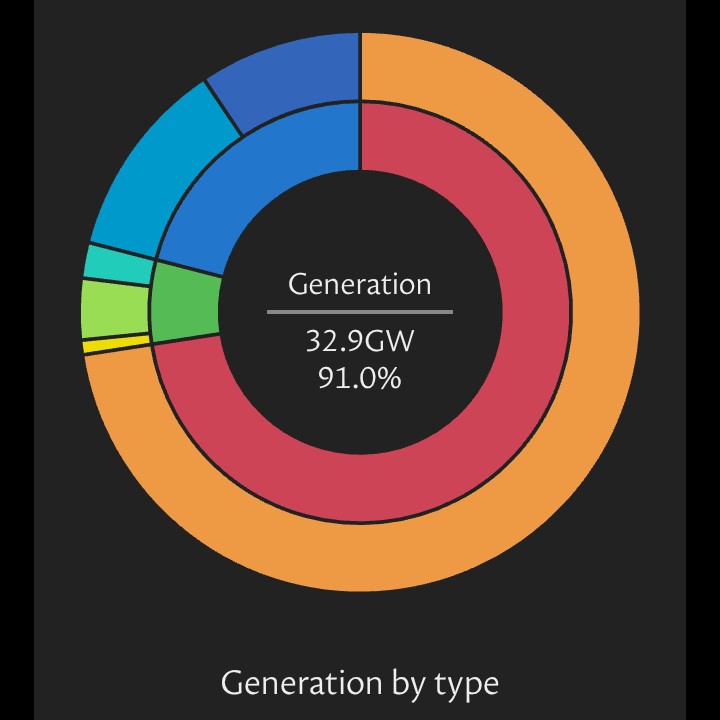
The UK’s Climate Change Act 2008 and Clean Power 2030 Action Plan, driven by the Climate Change Committee (CCC), Department for Energy Security and Net Zero (DESNZ), National Energy System Operator (NESO), and Energy Secretary Ed Miliband, promise a green revolution: 95% clean electricity by 2030 and net zero by 2050. But this vision is collapsing under a deluge of speculative “zombie” projects, grid bottlenecks, and the harsh reality of wind lulls and solar failures. A damning study by Professor David Walwyn and Tony Stephens, combined with data from the January 2025 Renewable Energy Planning Database (REPD), National Grid: Live (June 26, 2025), and X posts from October 2024 to June 2025, reveals a strategy built on denial and wishful thinking. Miliband’s £62 billion gamble—£40 billion for wind and solar, £22 billion for unproven technologies—ignores grid chaos and risks blackouts, economic devastation, and energy insecurity. Here’s why the CCC, DESNZ, NESO, and Miliband are steering Britain toward disaster. 🧟🔌

Zombie Projects:
A Grid-Choking Catastrophe
🧟♂️The UK’s grid connection queue is a staggering 732 GW, with 363 GW from renewables, but 60–70% (443–529 GW) are “zombie” projects—speculative or stalled schemes clogging the path to the Clean Power 2030 targets of 45–57 GW solar, 43–50 GW offshore wind, 27–29 GW onshore wind, and 27 GW battery energy storage systems (BESS). These zombies, unlikely to proceed due to missing planning permissions, funding gaps, or grid delays, are a direct result of Miliband’s failure to reform a broken system.
Zombie Probabilities:
UK Queue: NESO estimates 60–70% zombie risk (443–529 GW)
due to:
🚫 No Planning Permission: 40% of projects lack approvals (+30–40% risk).💸 Funding Gaps: 30% face financial uncertainty (+20–30% risk).
⏳ Grid Delays:
50% await connections post-2027 (+20–30% risk), with delays in Yorkshire and East Anglia stretching to 2035.Solar (40 GW Pipeline): 24–28 GW are zombies (60–70%). Non-NSIP projects face 70–80% risk from planning delays (+30%) and grid access issues (+25%). NSIPs (e.g., large solar farms) have 20–30% risk but are still hit by grid delays (+10%).Wind (70–79 GW Pipeline): 42–55 GW are zombies (60–70%). Non-NSIP onshore wind projects face 70–80% risk due to local opposition and grid constraints. Offshore NSIPs have 20–30% risk, slowed by supply chain bottlenecks.BESS (61 GW Queue): 36.6–42.7 GW are zombies (60–70%). Safety standards (PAS 63100:2024) add 15% risk, funding uncertainty 25%, and grid delays 20%.
❄️ Winter Impact:
Solar’s 1% capacity factor (0.45–0.57 GW from 45–57 GW) and wind lulls (0 GW vs. 1.8 GW, June 26, 2025) slash revenue, adding 15% zombie risk for non-BESS projects.Miliband’s Failure: NESO’s 2024 termination of 5–10 GW is a token gesture, leaving 443–529 GW of dead weight. Miliband’s reforms, like raising NSIP thresholds to 100 MW for wind and solar, do little to clear the queue, delaying viable projects and jeopardizing 2030 targets.References: Renewable Energy Planning Database, January 2025; NESO Grid Queue Analysis, 2024; Clean Power 2030 Action Plan.
Grid Meltdown:
A National Disaster in Waiting
⚡️The UK’s grid is crumbling under the weight of Miliband’s renewable surge, with congestion, integration failures, and delays threatening blackouts. The £48 billion Great Grid Upgrade lags, leaving the grid unprepared for 2025–2028 winters.
Congestion and Delays:
🚦 Overloaded Substations:
Yorkshire, Lincolnshire, and East Anglia face 5–10 year delays, adding 20–30% zombie risk. The 732 GW queue is 10x the 70–80 GW needed by 2030.
🕒 Slow Upgrades:
Projects like Yorkshire GREEN (2027, 2–3 GW) and High Marnham (2029, 6 GW) are too late. Only 10 GW is accelerated (e.g., Bramley to Melksham, 2025).Dunkelflaute Crisis:
🌪️ No Wind, No Sun:
Winter periods of near-zero solar (0.6–3.4 GW from 18.1 GW, June 26, 2025) and wind (0 GW vs. 1.8 GW) create multi-day gaps. BESS’s 54–108 GWh (27 GW) lasts 0.1–0.2 days under 30 GW demand, forcing reliance on gas (11.5 GW on June 26, 6–8 GW by 2030).💨 Wind Lulls: Walwyn’s study reveals lulls of up to 14 days, ignored by NESO’s “overly optimistic” models, which lack confidence intervals. Even quadrupling wind capacity (43–50 GW offshore, 27–29 GW onshore) is useless during calm weather.Inverter and Stability Issues:
🔌 Solar Inefficiencies:
Hybrid inverters (73% of installations) lose 2–5% in DC-to-AC conversion (e.g., 0.45 GW to ~0.43 GW). Low 1% output risks shutdown (200–300V startup voltage).⚖️ Grid Instability: Renewables at 44% of 2030 capacity (vs. 77–82% needed) cause frequency swings without flexible storage.Miliband’s Misstep: DESNZ claims a “robust” grid, but the UK’s 7.5-day gas storage (vs. months in France/Germany) leaves it exposed. Miliband’s focus on renewables ignores the need for grid upgrades, risking collapse.References: National Grid: Live, June 26, 2025; Walwyn & Stephens Study, 2025; NESO Winter Outlook 2024.
Miliband’s Delusion:
False Promises and Unproven Tech 🫵Miliband, backed by the CCC, DESNZ, and NESO, touts a “clean energy superpower” with a 5.2 GW capacity margin for winter 2024. But their assurances are built on flawed models and risky bets, ignoring the Dunkelflaute crisis and grid vulnerabilities.
False Confidence:
📉 Flawed Models:
Walwyn’s study slams NESO for ignoring prolonged wind lulls and solar failures, lacking transparency on confidence levels. X posts from October 2024 to January 2025 report grid alerts during low renewable output, contradicting NESO’s claims.
🗣️ DESNZ Denial:
DESNZ insists the grid can handle Dunkelflaute, citing diverse gas supplies, but 7.5-day storage is inadequate.
🕵️♂️ CCC Complacency:
The CCC’s 2024 Progress Report admits “worryingly slow” progress but fails to address grid reliability, focusing on emissions over security.
Unproven Technologies:
💨 Carbon Capture and Green Hydrogen: Miliband’s £22 billion plan bets on “high-risk” tech, unproven at scale, that won’t address lulls. The Public Accounts Committee calls carbon capture “high risk.”
⚛️ Small Modular Reactors:
Promising but unscalable by 2030, leaving gaps in backup.
🏭 Great British Energy:
Miliband’s £2.5 billion for nuclear cuts funding for wind and solar, starving viable projects.
Economic and Social Fallout:
💷 £62 Billion Waste:
The £40 billion wind/solar expansion and £22 billion for unproven tech don’t solve reliability, risking 1–2% GDP losses (£20–40 billion annually) from blackouts, hitting healthcare, transport, and security.😡
Household Burden:
Miliband’s carbon obsession imposes “unnecessary costs” on households, with green levies raising bills despite claims of lower costs.🛑
Industrial Decline:
High industrial electricity costs, the world’s highest, drive businesses abroad, undermining Miliband’s “reindustrialisation” claims.References: Clean Power 2030 Action Plan; CCC 2024 Progress Report; X Posts, October 2024–January 2025.
DeepSearch Insights:
The Public Sees Through the Mirage
🌪️Recent X posts and web sources expose growing skepticism about Miliband’s strategy. Posts from January 2025 highlight grid alerts during Dunkelflaute events, with wind and solar contributing <10% of electricity, forcing gas reliance. A February 2025 article from Energy Live News warns of “dangerous unpreparedness” for energy crises, echoing Walwyn’s fears of blackouts. X users in March 2025 criticized Miliband’s focus on nuclear and carbon capture, calling it a “distraction” from grid upgrades and storage.
The Financial Times (June 2025) notes that Great British Energy’s nuclear funding diverts resources from renewables, risking 2030 targets. These sources confirm public and expert frustration with Miliband’s denial of grid vulnerabilities.
A Call for Realism:
Saving Britain from Miliband’s Folly
🚨Walwyn warns, “This isn’t a minor inconvenience—it affects everything.” The CCC, DESNZ, NESO, and Miliband are driving Britain toward energy crises by prioritizing carbon targets over grid resilience.
To avert disaster:
🛠️ Clear the Queue: Terminate 443–529 GW of zombie projects to prioritize viable schemes
🔋 Boost Storage: Invest in long-duration storage (e.g., pumped hydro) to bridge multi-day Dunkelflaute gaps.
⚡ Diversify Sources:
Expand reliable backups like gas or nuclear, not unproven tech.
🏗️ Accelerate Upgrades: Fast-track the £48 billion Great Grid Upgrade for 2025–2028 winters.
🧠 Rethink Targets:
Shift from rigid carbon goals to energy security, as the CCC’s focus on emissions ignores reliability.Without these, the Climate Change Act’s 2050 net zero goal and Clean Power 2030’s targets are a fantasy, leaving Britain in the dark.
For more, see nationalgrideso.com, gov.uk, and the ccc.org.uk.
 SAY NO TO THE DESTRUCTION OF OUR LAND
Leave a comment