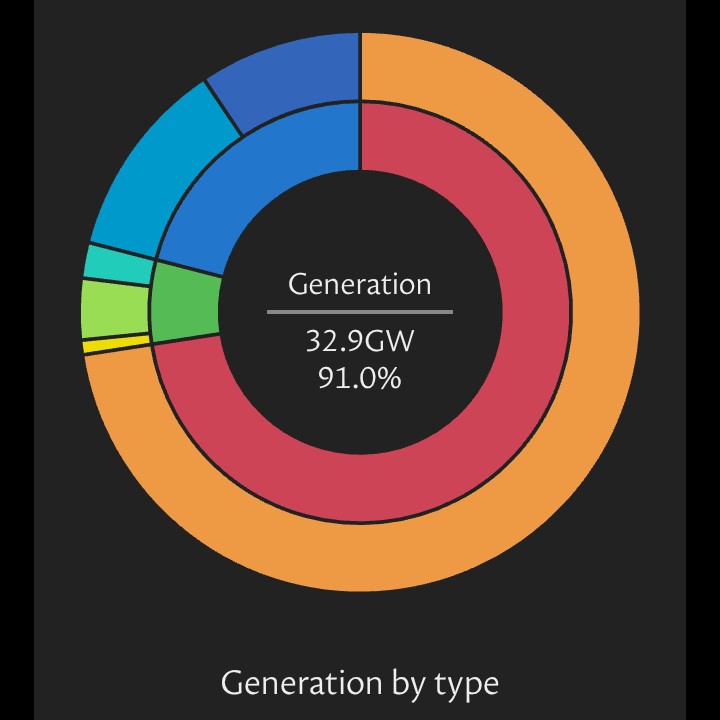
1. The Reality Today
Wholesale gas prices have dropped significantly since the peaks of 2022 (Ukraine invasion shock).
By 2025, prices are closer to pre-crisis levels. In a normal market, bills should be falling.
Instead, households are facing rising costs again this October – not because of gas, but because of Net Zero policies, levies, and grid costs.
2. The Net Zero Bill-Loading Mechanism
Your energy bill is no longer just the cost of fuel – it’s a policy tax in disguise.
Here’s what’s baked into every household bill:
Carbon Taxes: The Climate Change Levy and Emissions Trading Scheme artificially inflate the cost of gas and electricity, even when gas itself is cheap.
Renewables Subsidies: Contracts for Difference (CfDs), Renewable Obligation Certificates (ROCs), and Feed-in Tariffs still being paid out add billions each year.
Grid Upgrade Costs: Renewables are located far from where power is needed (offshore wind in the North Sea, solar farms in fields far from cities). This requires billions in new pylons, substations, and super grid transformers – all paid for by billpayers.
Curtailment Costs: When the grid can’t handle excess wind or solar, operators are paid to switch off – and you pay for power you never receive.
Social Levies: Schemes like the Warm Homes Discount are not funded from general taxation, but lumped onto everyone’s energy bill.
So even if gas is falling, these non-fuel costs rise relentlessly.
3. The Numbers Behind It
Wholesale gas down: Gas prices are lower than in 2022–23, yet…
Bills rising: October’s typical bill: £1,737 (up from £1,720).
Grid charges: £125 in 2020 → £165 in 2025.
Energy debt: £1.3bn in 2020 → £4.2bn today (households drowning in arrears).
Levies: More than 25% of an average bill is now government policy costs, not energy.
4. The Deception
Politicians tell you bills remain high because of “volatile global gas markets.”
❌ But gas is falling.
❌ The UK is inflating its own prices with carbon taxes and hidden levies.
✅ The truth: Net Zero is the reason bills don’t fall.
5. Why This Hurts Everyone
The Poor: Regressive levies hit hardest – the poorest pay the same surcharge as the richest.
The Working/Middle Class: Those just above benefits thresholds pay extra but don’t qualify for help.
Industry: Manufacturers face energy costs up to 80% higher than the US, driving jobs abroad.
The Economy: Less disposable income for households means less spending power across the wider economy.
6. The Permanent Trap of Net Zero
As long as policy dictates bills, they can never fall with the market. Instead, they will:
Keep rising to fund more grid expansions.
Keep rising to fund more subsidies.
Keep rising to cover curtailment and balancing costs.
Keep rising to redistribute discounts through hidden levies.
It’s a ratchet effect – once costs are added to bills in the name of Net Zero, they never come off.
7. The Alternative Path
Fund welfare through tax, not bills: Support the vulnerable through progressive taxation, not regressive energy levies.
Back nuclear & domestic gas: Stable, reliable, and free from carbon taxes.
Invest grid-first: Build a resilient AC grid before forcing intermittent renewables that require expensive storage and upgrades.
Abolish carbon taxes: Stop penalising cheap gas while pretending renewables are cheap.
✅ In summary: Wholesale gas prices fall – but your bills keep rising because Net Zero loads them with levies, taxes, and infrastructure costs. Until policy is changed, the poorest will always pay more, industry will keep leaving Britain, and bills will never return to affordable levels.
 SAY NO TO THE DESTRUCTION OF OUR LAND
Leave a comment