When Reuters reported on September 11, 2025 that EDF was partnering with Fidra Energy at Thorpe Marsh, the headlines sounded like a triumph: “The whole site will be able to power up to 785,000 homes at peak times.”
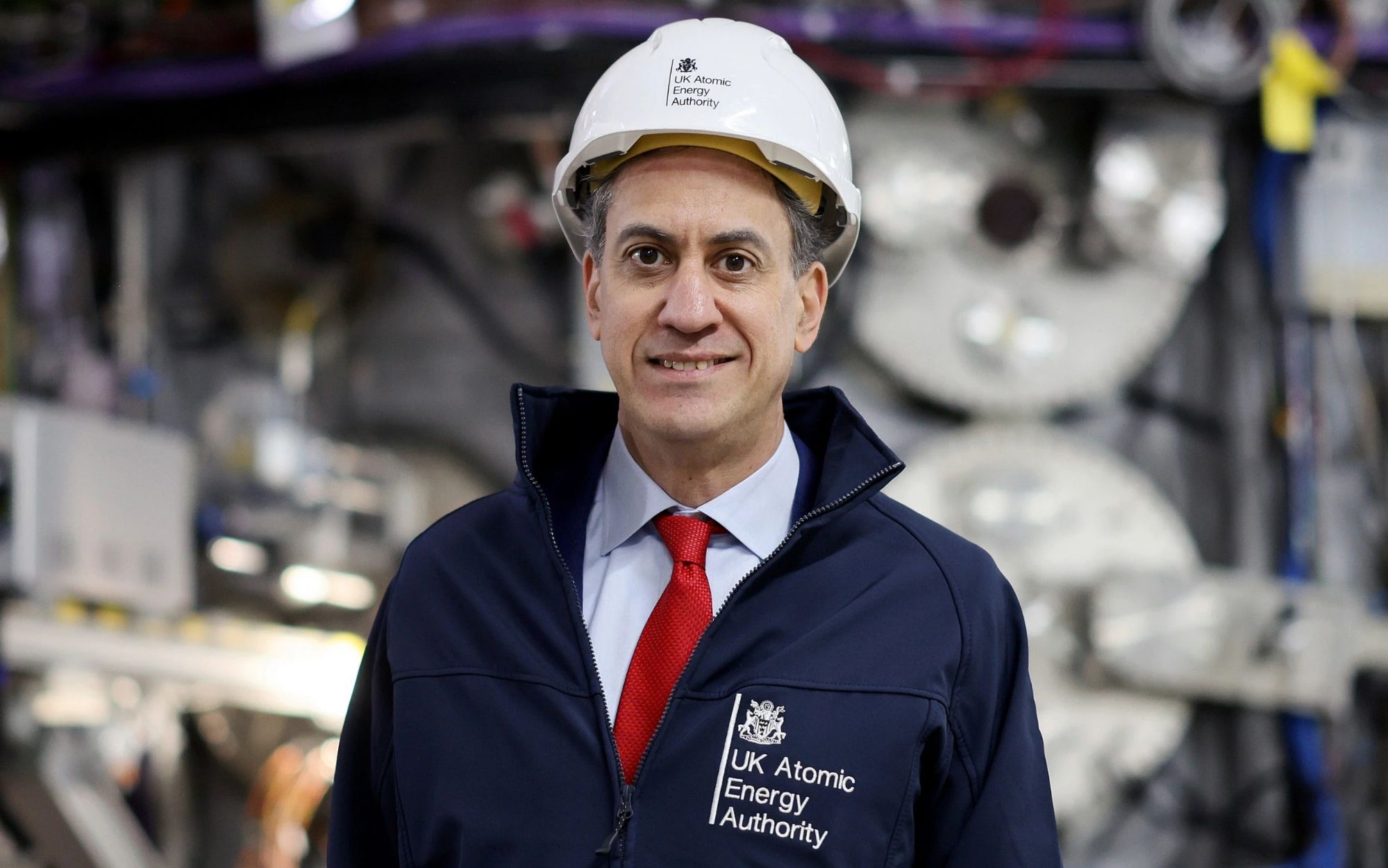
Energy Secretary Ed Miliband was quick to praise the scheme, calling it “fantastic to see a former coal site transformed into a cutting-edge battery hub. Part of Labour’s Plan for Change.”But when you strip away the PR spin, Thorpe Marsh is not a green miracle. It is a £1 billion subsidy machine, funded by bill-payers, and locked into technical and financial contradictions that make a mockery of the claims surrounding it.
Spin 1:
“785,000 homes powered”The claim: Thorpe Marsh will power three quarters of a million homes.The truth: The battery’s maximum storage is 3.1 GWh.Average UK household: 8–10 kWh/day.Thorpe Marsh could cover 310,000–380,000 homes for one day before going flat.Reuters and Fidra inflate the figure by citing instantaneous output (MW) instead of actual stored energy (MWh).
Spin 2:
“Operational by 2027”The claim: Thorpe Marsh will be running by mid-2027.The truth: Northern Powergrid’s own Appendix G dataset confirms no full export capacity until October 2033.That means at best, the project runs on non-firm connections and curtailment caps for six years.Yet from October 2028, it will receive Capacity Market subsidies , money taken from your bill.
Spin 3:
“Green storage”The claim:
Thorpe Marsh will soak up renewable power.
The truth:
UK solar collapses in winter: capacity factor just 2–3% in Dec–Jan.Even adding Fenwick (250 MWp), Tween Bridge (800 MWp), and Whitestone (2,000 MWp), there isn’t enough surplus winter solar to charge a 1.4 GW battery.
EDF’s role is to optimise trading , which means the battery will often charge on the grid mix (gas, imports, nuclear) and return 85% of what it took in.
Net result: inefficiency + higher carbon in winter, not clean storage.
Spin 4:
“Private investment”
The claim:
Fidra and partners are investing private money.
The truth:
Financial close = £445m equity (EIG + UK National Wealth Fund) + £594m loans = £1.04bn total.
Revenue is secured by long-term offtake contracts (EDF, Octopus, Statkraft) and 15-year Capacity Market payments.These cashflows come from electricity bills, not investor risk.
Put simply: bill-payers guarantee the profits.
Miliband’s role
Ed Miliband is the architect of this policy environment:
2008 Climate Change Act (co-author) → carbon budgets locked into law.
2025 Clean Power by 2030 push → political pressure for fast-tracked batteries and solar.
Thorpe Marsh approval → presented as a Net Zero success story, despite local opposition and unresolved risks (flood, fire, access).He calls it a “landmark for clean power”. In reality, it’s a landmark in how subsidies can be spun as green success while delivering little for energy security.
The bigger scandal
Instead of building firm generation like Rolls-Royce SMRs or upgrading the grid first, Britain is paying:
For a battery that doesn’t generate power.
For solar farms that can’t charge it in winter.
For grid reinforcements that won’t be ready until 2033.
For investors’ guaranteed returns, locked in for 15 years, regardless of performance.
There are £1 billion reasons why the truth gets bent.
Thorpe Marsh isn’t clean, cheap, or reliable. It’s Ed Miliband’s £1 billion spin job
where foreign investors profit and British bill-payers pick up the tab.
 SAY NO TO THE DESTRUCTION OF OUR LAND
Leave a comment