The fall has begun. Mark Carney — once feted as the architect of green finance and the man who would turn the City of London into the “capital of Net Zero” — has seen his empire collapse.On October 3, 2025, the Net-Zero Banking Alliance (NZBA), launched in 2021 as the global banking sector’s flagship climate coalition, voted to cease operations. The decision follows a mass exodus of members over the past year, driven by political pressure in the United States and growing unease in boardrooms over legal risks and shareholder returns.For Carney, the collapse is personal. The NZBA was the jewel in his crown: a coalition that once claimed to represent over $70 trillion in assets, aligning banks with the 1.5 °C climate target. It was meant to be the financial engine that powered Net Zero. Instead, it died in just four years, abandoned by the very banks it was supposed to lead.
A Shattered Illusion
The official reason for the collapse was U.S. antitrust scrutiny. Lawmakers warned that collective commitments not to fund fossil fuels looked like cartel behaviour. Banks, unwilling to face litigation or lose market share, left in droves.But this was only the spark. The deeper problem was that Net Zero finance was a mirage.
Banks are businesses.
They lend where projects are viable. And the truth is that many of the projects tied to Net Zero — intermittent renewables, oversized battery schemes, untested hydrogen ventures — are risky and dependent on subsidies.
The NZBA promised to transform finance into a climate enforcer. Instead, it exposed a simple reality:
you cannot regulate physics or profitability with press releases.
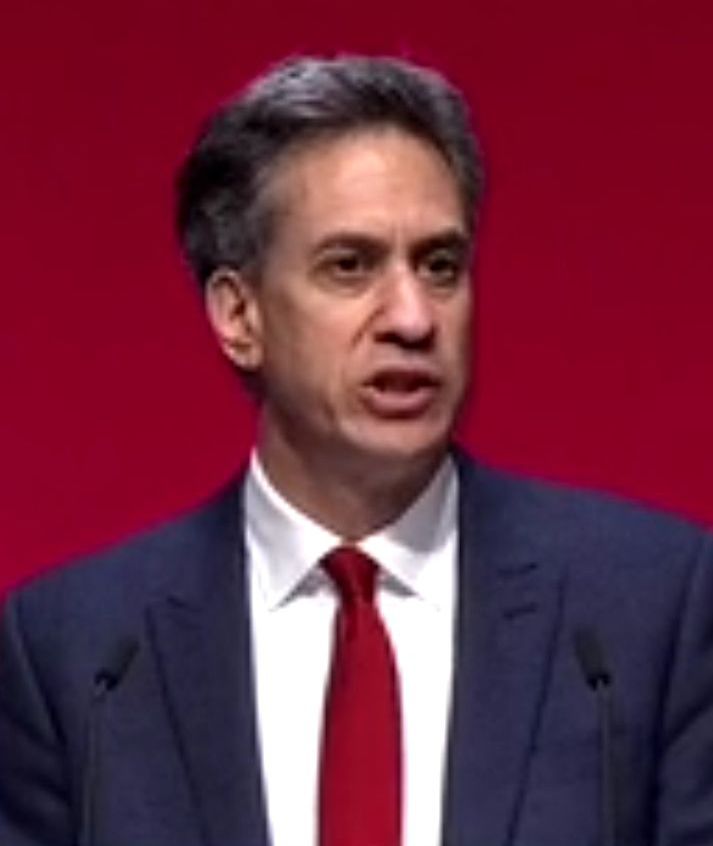
Carney Down – Miliband Next
This is where the collapse hits Britain.
Ed Miliband has built his Net Zero UK Strategy around the idea that the private sector would shoulder most of the cost.
His “Clean Power by 2030” plan requires hundreds of billions in private capital for offshore wind, solar farms, battery storage, and transmission upgrades.
The Treasury has admitted that two-thirds of Net Zero spending must come from private finance.
But the NZBA was the framework meant to deliver that capital. With it gone — and the Net-Zero Insurance Alliance (collapsed 2024) and Net-Zero Asset Managers initiative (now in retreat) also crumbling — Miliband’s scaffolding has disappeared.
The City of London, once sold as the global hub of green finance, has been undermined. Without collective structures, banks and insurers will act in their own interests. And those interests do not align with Miliband’s deadlines.
The Public Already Pays the Price
The folly of Net Zero is already visible in every British household bill.
Energy costs:
Since the 2008 Climate Change Act, standing charges have soared by over 500%, fuelled by subsidies, grid balancing payments, and renewable integration costs.
Curtailment waste:
Wind farms are being paid billions to switch off because the grid cannot handle their output. This is money directly lifted from consumers for power they never receive.
Grid overload:
Northern Powergrid and National Grid ESO data confirm years of delay in super-grid transformer upgrades. Dozens of projects — including at Thorpe Marsh, West Melton, and Brinsworth — are on hold, yet new solar and battery schemes keep being approved.
Industrial decline:
Energy-intensive industries are closing or leaving the UK, while countries like the U.S. continue drilling oil and gas to secure cheap, reliable power.Net Zero is not making Britain richer or greener. It is making us poorer and weaker.
A Global Retreat
Carney’s collapse is not an isolated event. It is part of a wider retreat.
The Net-Zero Insurance Alliance was disbanded in April 2024 after members fled under legal and political pressure.
The Net-Zero Asset Managers initiative has scaled back, with multiple firms reviewing or suspending commitments.
Governments are wavering:
Germany has extended coal capacity, France is doubling down on nuclear, and the United States is producing more oil and gas than at any point in history.
The illusion of a smooth, finance-led green transition is dissolving.
Miliband’s Impossible Choice
This collapse leaves the UK government facing an impossible fork in the road:
1. Force compliance by law. Ministers could try to compel banks, insurers, and funds to direct capital towards Net Zero, regardless of returns. But this would trigger legal battles, capital flight, and economic damage.
2. Admit reality. Quietly scale back targets, extend fossil fuel production, and invest in nuclear and grid resilience instead. But this means tearing up carbon budgets and defying the Climate Change Committee.Either way, the Net Zero consensus is broken.
The Lesson:
Net Zero Is Folly
The fall of the NZBA is more than a financial story — it is a warning.
For years, Britain has been told that Net Zero is inevitable, affordable, and desirable. Yet the financial structures designed to deliver it are collapsing. The costs are ballooning.
The grid is creaking. Industries are buckling. Consumers are paying.
Carney’s empire has collapsed. Miliband’s Net Zero will follow.
Because Net Zero is not a strategy. It is a fantasy — and the longer Britain clings to it, the more painful the reckoning will be.
 SAY NO TO THE DESTRUCTION OF OUR LAND
Leave a comment