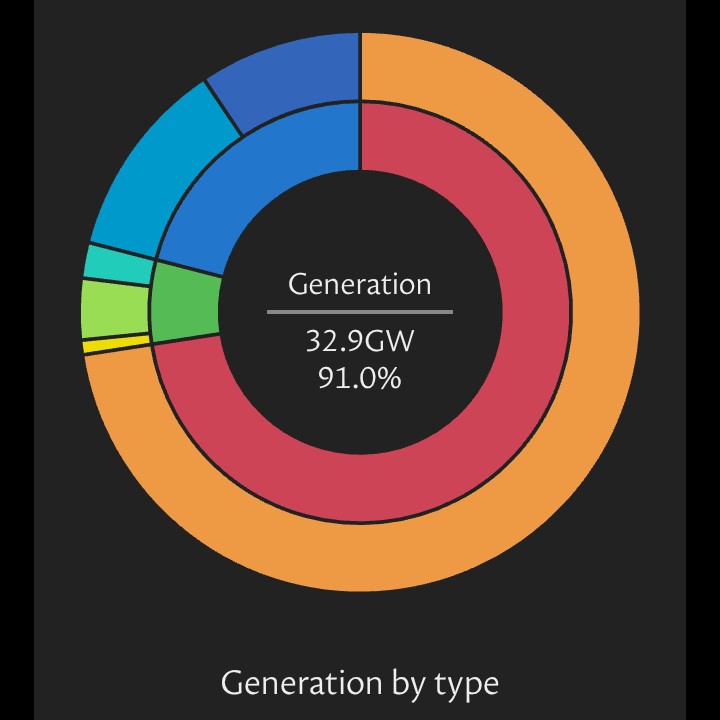
Britain is staring down the barrel of a new energy crisis, and this time it isn’t about Putin, oil prices, or the price of gas. The problem is far closer to home. Our electricity grid — the physical wires, substations, and transformers that keep the lights on — is falling apart.
Much of the backbone of Britain’s transmission and distribution system dates back to the 1970s. Transformers that were expected to last 40 years have now been running for 55 or more. Oil-filled underground cables from the 1950s and 1960s are leaking millions of litres of insulating fluid into the soil. Switchgear, control systems, and even entire substations are creaking along decades past their design lives.
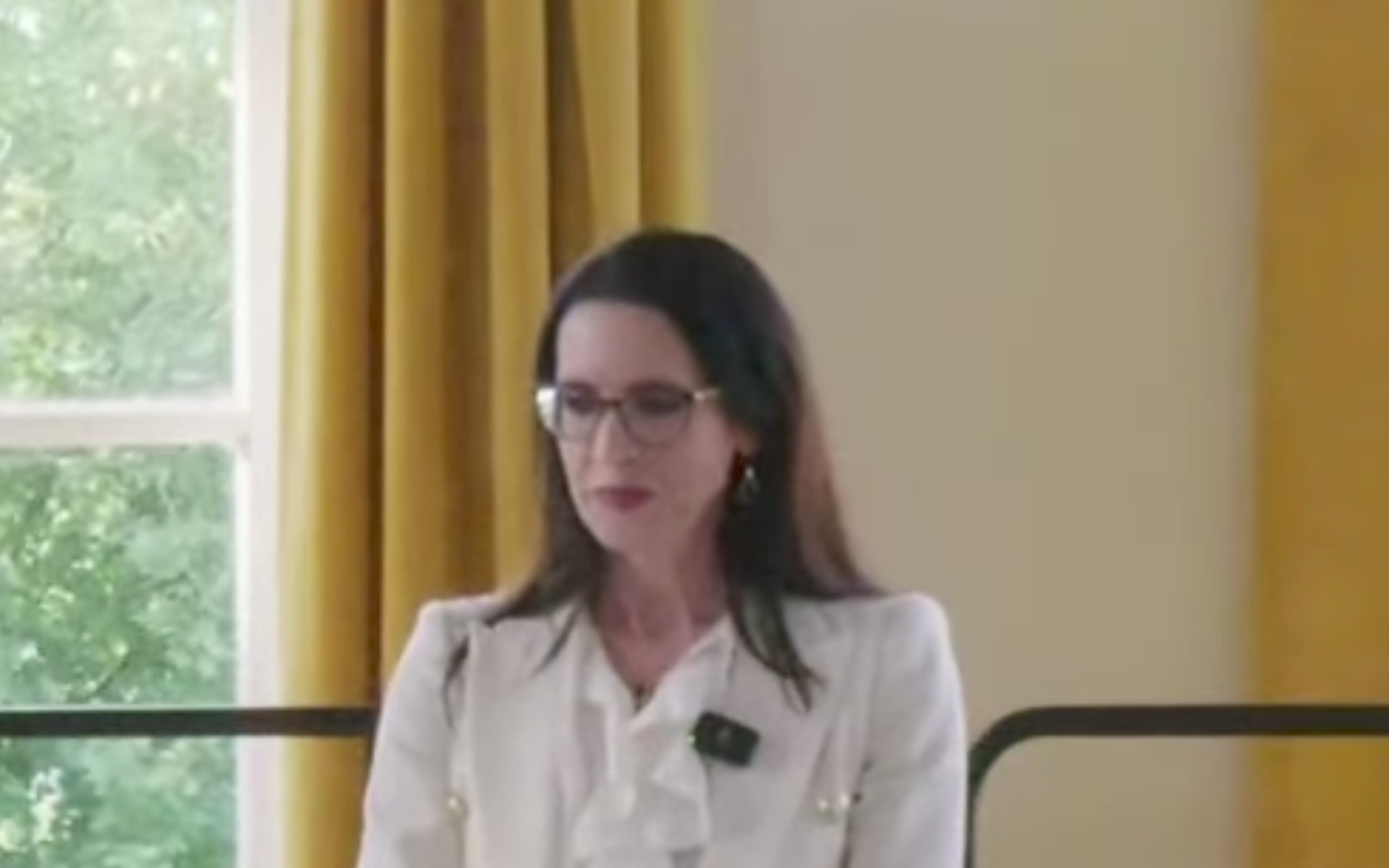
As energy consultant Kathryn Porter bluntly put it: “Britain’s grid infrastructure is ageing badly. So much of it dates back to the 1970s and there’s no plan to replace it. We’re seeing more fires and outages. Major blackouts are coming.”
Warning signs already here
We don’t need to speculate about what an ageing grid means — the warning signs are already flashing red.
In April 2025, a fire at North Hyde substation knocked out power to parts of Heathrow Airport and tens of thousands of homes. The transformers destroyed in the blaze were installed in the late 1960s. Across the country, outages are becoming more frequent as equipment fails under strain And strain is exactly what the system faces. Britain is piling more and more variable renewable power — wind and solar — into a grid designed for stable, centralised generation.
Instead of a few large coal or nuclear stations feeding power one way into the system, today we have hundreds of distributed sites generating intermittently, often in remote locations the grid was never built to handle.The result? Congestion, higher balancing costs, and mounting instability.
The hidden bill: £80 billion and counting
What isn’t being honestly explained to the public is just how expensive this is going to be. National Grid ESO and Ofgem have quietly admitted that at least £80 billion will need to be spent in the next five years just to stop the system falling apart and to accommodate the Net Zero transition.
Independent experts think the true figure is much higher — £200 billion or more by the mid-2030s.Who pays? You do.
Grid companies are regulated monopolies. Every pound they spend on cables, pylons, substations, or new “super grid transformers” is passed straight through to customers via your energy bill.
Already, the network costs on bills have risen steeply. By the end of this decade, grid upgrade charges could add another £100–£150 per year to the average household bill — before a single unit of energy is even used.
This is the hidden driver of energy inflation. Politicians blame global markets, but the unavoidable reality is that Britain’s crumbling grid and the enormous costs of re-engineering it for intermittent renewables are being dumped onto consumers.
Net Zero is making the grid weaker
Instead of addressing the underlying problem — an old, brittle network — government policy is doubling down.
The Clean Power 2030 pledge means a massive expansion of onshore wind, solar, and battery storage. That sounds bold, but every megawatt of intermittent power requires extra backup, extra balancing, and extra grid reinforcement.In other words, the more wind farms and solar parks we build, the more strain we put on an already fragile system.
The blackout risk rises, and the costs rise with it.
Kathryn Porter is right:
This isn’t a recipe for security or affordability. It’s a recipe for rolling crises.
The blackout risk
Britain narrowly avoided a system collapse in January 2025 when freezing weather, high demand, and low wind combined to stretch the grid to its limits. If just one more major generator or transmission line had failed, we could have seen cascading blackouts across the country.
This is the future we are sleepwalking towards. With old assets failing and demand set to rise sharply as people are pushed onto electric cars and heat pumps, the margin for error is shrinking fast.
What needs to change
Britain urgently needs to face reality:
Replace, don’t just patch — the 1970s grid cannot be endlessly patched up. A strategic programme of replacement is overdue.
Stop overloading with renewables — the system is already saturated. Adding more intermittent sources without solving the infrastructure problem is reckless.
Bring back stability — only nuclear, gas, and other forms of synchronous generation can anchor a secure grid. Batteries and wind cannot do it alone.
Be honest about costs — the public is being sold a fairy tale about “cheap green energy.” The truth is that Net Zero means higher bills, more inflation, and greater risk of blackouts unless we change course.
Britain’s grid is not just an engineering problem. It is now the single biggest threat to our energy security and economic stability.
Kathryn Porter is sounding the alarm, but politicians prefer to pretend all is well.
Major blackouts are not a distant threat — they are a very real possibility within the next few years. The question is whether Britain acts now to rebuild its grid with stable, affordable power, or whether we wait for the lights to go out.
 SAY NO TO THE DESTRUCTION OF OUR LAND
Leave a comment