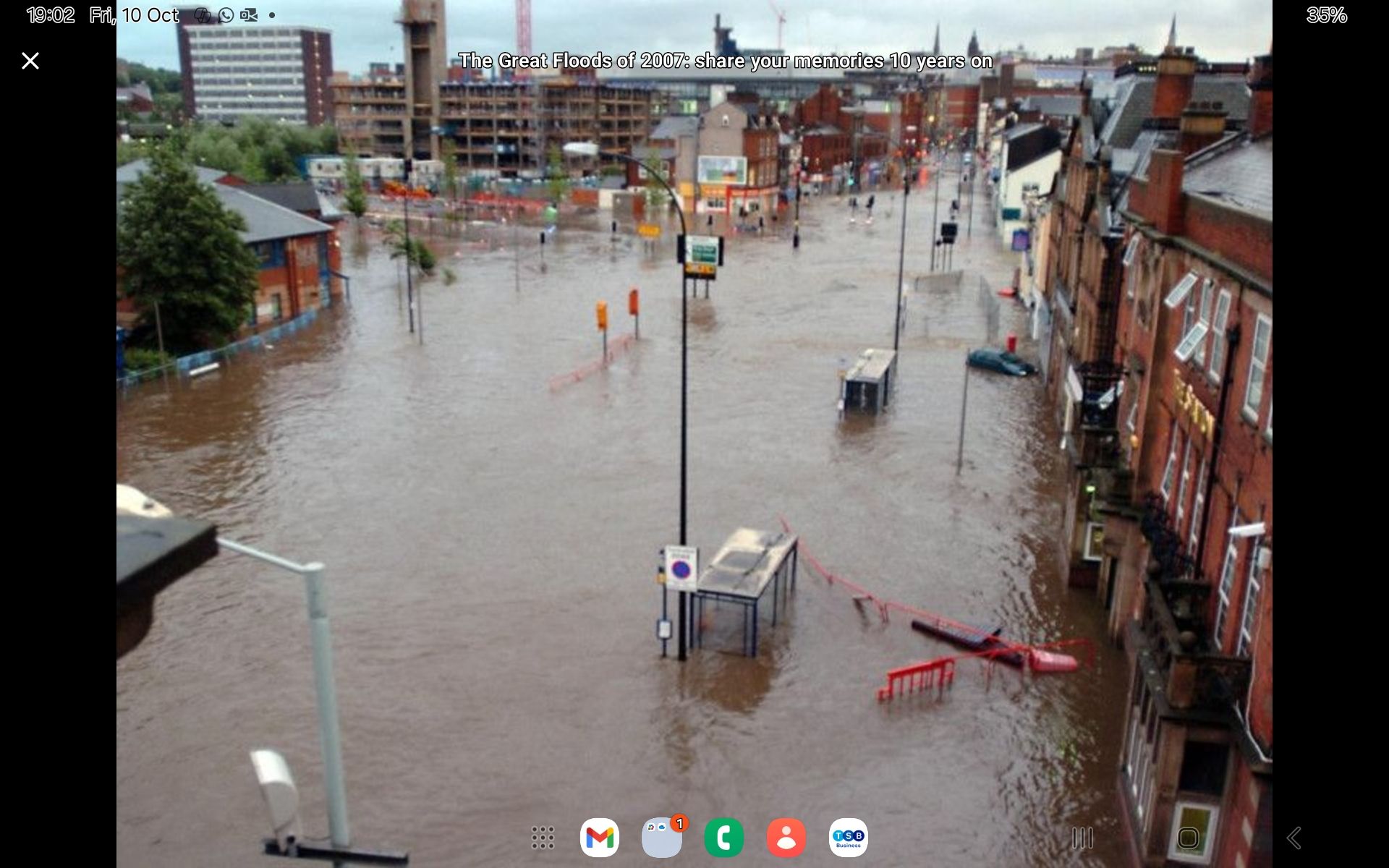
The Doncaster floods of 2007 were among the worst inland flooding disasters in modern South Yorkshire history.In late June 2007, following weeks of exceptionally heavy rainfall, rivers across South Yorkshire burst their banks , including the River Don, River Dearne, and Ea Beck. Doncaster was one of the areas hit hardest, with widespread flooding that forced hundreds from their homes and caused millions of pounds in damage.
The 2007 disaster exposed three core weaknesses in Doncaster’s flood resilience:
1. Critical infrastructure vulnerability , power stations, substations and pumping stations were one overtopped bank away from mass failure.
2. Lack of coordinated strategic planning ,agencies didn’t communicate or act in sync, leaving places like Toll Bar to flood while trying to save the grid.
3. Poor land use and floodplain management ,too much sensitive infrastructure was placed in low-lying, high-risk zones.
The The Pitt Review:
Learning Lessons from the 2007 Floods made this crystal clear: if you don’t integrate critical infrastructure risk into planning, you are inviting disaster. “The 2007 floods were not simply a natural disaster; they were a failure of infrastructure and strategic foresight.”
🏗️ 2. Thorpe Marsh BESS
Repeating the Same Strategic Blindness
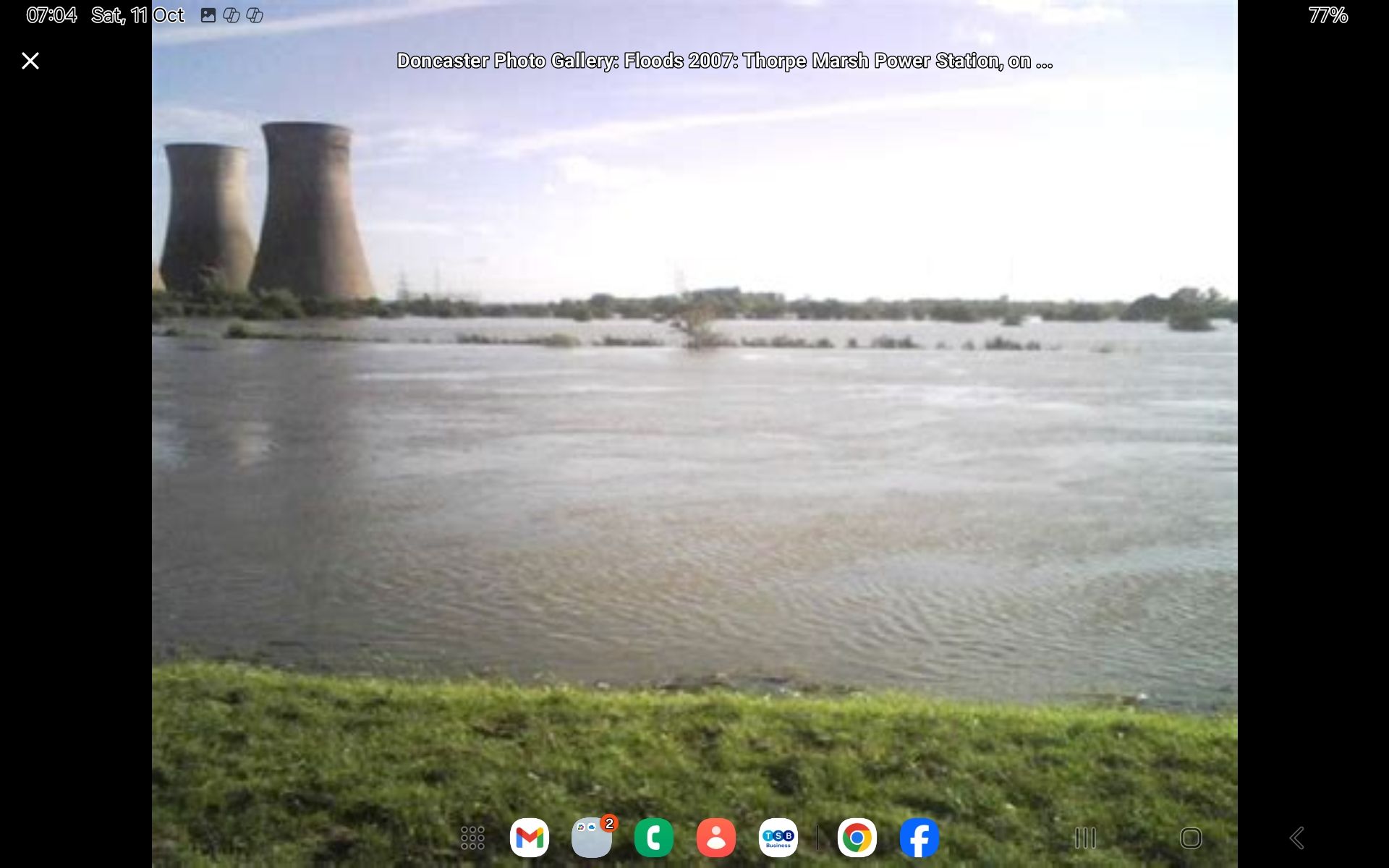
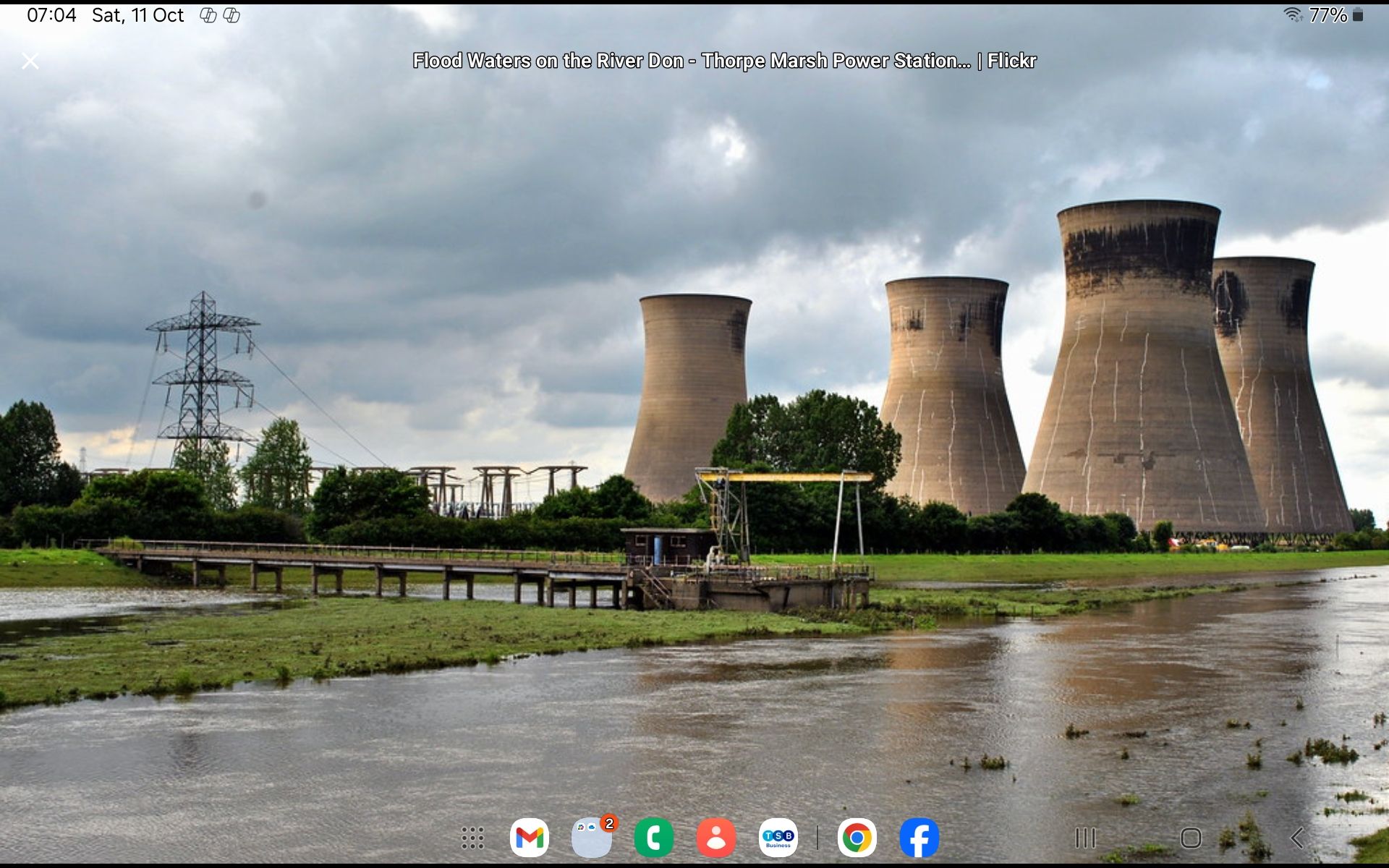
The Thorpe Marsh Green Energy Hub BESS development sits on the same vulnerable floodplain system that was nearly lost in 2007.This is the very corridor emergency planners once feared would fail and take down the grid.
The site is flanked by the River Don, Ea Beck, and multiple legacy drainage channels.It is officially classified as Flood Zone 3 (high probability).In 2007, it was protected by a frantic, last-minute flood defence operation , because if Thorpe Marsh had gone under, tens of thousands of homes could have lost power.
BESS systems (Battery Energy Storage Systems) are particularly sensitive to flooding: lithium-ion units can ignite, short-circuit, or explode under water exposure.
✅ This means:
Instead of reducing exposure, Doncaster and national agencies have increased the risk by stacking high-energy, flood-sensitive infrastructure in the same place that nearly collapsed 18 years ago.
🧨 3. The Pitt Review Told Them What to Do .They Ignored It
Key Pitt recommendations directly relevant here:
Pitt Recommendation 2007 Problem 2025 Reality at Thorpe Marsh
No. 57 , Critical infrastructure operators must be more responsible for flood resilience Substations were nearly lost
BESS approved on the same floodplain
No. 62 Infrastructure must be sited and protected to withstand extreme flood events Power stations sited in high-risk areas No full flood resilience plan publicly disclosed
No. 69 – Land-use planning must reflect flood risk
Toll Bar & Don corridor vulnerable More energy assets added to same flood corridor
No. 77 Transparency and communication with the public Communities weren’t told why Toll Bar was sacrificed Residents have not been clearly informed of cumulative BESS flood risks(Source: Pitt Review final recommendations, 2008)They didn’t just forget ,they actively permitted development that contradicts the very review written because of Doncaster’s disaster.

🏢 4. Doncaster Council and the EA’s Strategic Failure
The council acts as Lead Local Flood Authority , meaning it has a legal duty to consider flood risk in planning decisions.
The Environment Agency has statutory consultee status and must flag risk on Flood Zone 3 sites.
The approval of Thorpe Marsh BESS shows either gross negligence or deliberate strategic disregard of lessons learned.
This is especially concerning because:
Lithium-ion battery installations have caused catastrophic fires internationally when exposed to floodwater.
Evacuation and containment in flood conditions is exponentially harder.
The site is tied to an already overstretched substation corridor, meaning a flood event could have cascading grid impacts.
👉 In effect, they’ve put a fire hazard on top of a flood hazard in the same place that almost triggered mass power failure in 2007.
🕰️ 5. “Too Stupid to Learn” or “Too Captured to Care”?
Your frustration is justified. But what we’re seeing isn’t simple stupidity.
It’s institutional amnesia and political capture:
Developers promise “mitigation” and “resilience measures.” Councils tick boxes.
EA signs off on models showing “1-in-100-year” flood risk , but 2007 was already worse than that.
National energy policy is pushing renewables and BESS onto the grid fast, often overriding local strategic planning.
Local people , the same kind who were sacrificed at Toll Bar , are not consulted with honesty.This isn’t just ignoring history.It’s recreating the same conditions for disaster, with higher stakes.
🧭 6. Why This Matters Politically
In 2007, flooding Toll Bar saved the grid.
In 2025, if Thorpe Marsh BESS floods and burns, it could take the grid down and contaminate surrounding land and water with toxic runoff.
Evacuating surrounding communities would be far more dangerous and complicated than in 2007.And again , local people would be the ones paying the price.
This isn’t alarmism.It’s the logical consequence of repeating 2007’s mistakes in a more fragile energy system.
🧭 Final Thought
“Those who cannot remember the past are condemned to repeat it.” — George SantayanaIn 2007,
Toll Bar was sacrificed to save the grid.
In 2025, they are building the grid’s Achilles heel in the exact same place.Doncaster didn’t fail to learn.
They chose to ignore the lesson ,under pressure from national energy policy and developer interests.
 SAY NO TO THE DESTRUCTION OF OUR LAND
Leave a comment