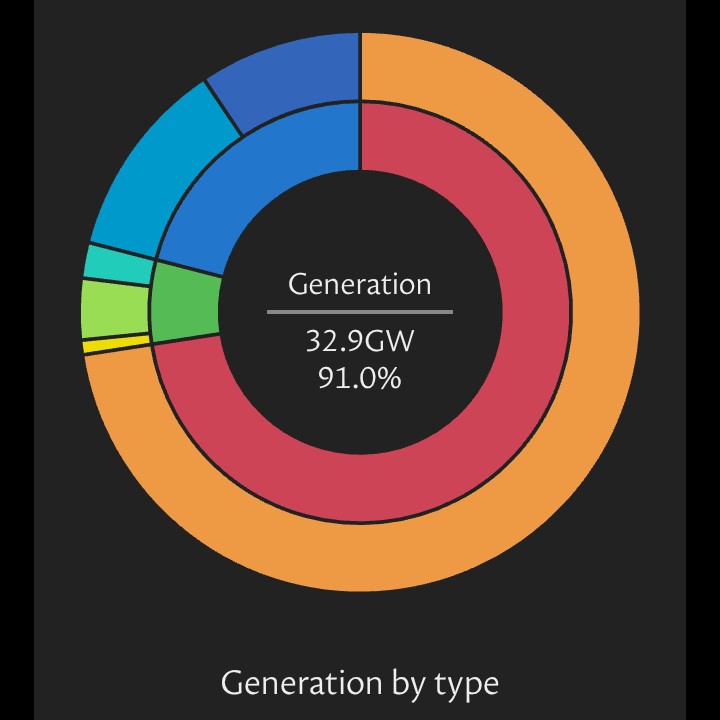
Most people assume “electricity is electricity”. It isn’t.The UK grid was built around a type of generation that stabilises itself, supports the system, and keeps frequency rock-solid. When that type of generation is removed and replaced with technologies that cannot provide the same stability, the risks grow — and the costs explode.Here’s the difference in plain English:
⚙️ 1. Synchronous Generation — The Backbone of the GridSynchronous generators come from:Coal stationsGas stations (CCGT)Nuclear stationsLarge hydroThese machines have huge spinning turbines, physically locked to the 50 Hz grid frequency.What synchronous machines provide (and renewables don’t):Inertia – stabilises the grid instantly when something tripsFault current – essential to clear faults (wind/solar cannot supply it)Frequency stability – resists sudden changesVoltage support (reactive power) – keeps the grid healthySystem recovery (“black start”) – restarting the grid after a blackout Synchronous generation = grid stability embedded in the physics of the machine.Think of it as:> “The heavy flywheel that keeps the entire system steady.”

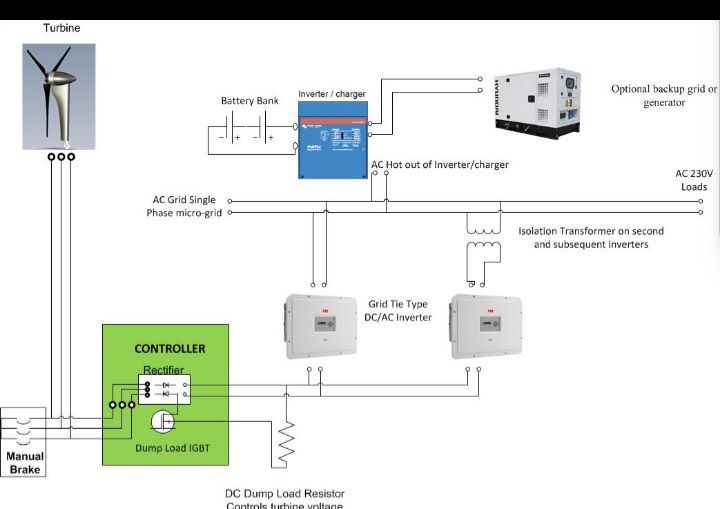
🌬️ 2. Renewable Generation — Good at Making Electricity, Bad at Running a Grid.Wind and solar use inverters, not spinning machines.Inverter-based resources (IBR) generate DC and convert it to AC electronically.That means:No physical inertia.No natural fault current.Weak contribution to frequency stability.Voltage issues under stress.Cannot black start the system.They can generate power — but they cannot run a national grid alone.Their stability must be simulated by:synchronous compensators.grid-forming inverters.batteries.new substations.massive AC→DC→AC conversions.billions in reinforcements And even then, it is unstable under stress, as shown repeatedly by National Grid ESO in its Stability Pathfinder reports.Renewables = generation without the properties needed to keep the system alive.
🔥 The Consequence: A Grid Becoming Harder and More Expensive to Control.As synchronous plants close:
inertia collapses
frequency becomes volatile
fault levels drop
constraints explode
curtailment costs spiral (paid for by consumers)blackout risk increases
billions must be spent on stabilising technologiesThis is why the UK now needs:synchronous condensers, costing £100m+ each super grid transformers400kV reinforcements everywhere.batteries for frequency response.grid-forming inverters.full-system AC/DC conversion plans (Beyond 2030)All of this is replacing what synchronous generators gave us for free as part of their physics.
🧩 The Simple Message
Renewables generate electricity.
Synchronous generators stabilise the grid.One cannot replace the other.This single fact undermines the entire claim that the UK can run on “100% renewables by 2030/2035”.
 SAY NO TO THE DESTRUCTION OF OUR LAND
Leave a comment