Scotland is once again being told it is at the forefront of the global energy transition. The announcement of a new 500-megawatt battery storage project near Eccles has been greeted with enthusiastic headlines claiming it could “power up to a million homes.” It is an appealing soundbite, but one that risks misleading the public at a time when honest debate about energy security has never been more important.
The problem is not that battery storage is unhelpful. On the contrary, batteries play a useful role in modern electricity systems, particularly in balancing short-term fluctuations and stabilising frequency. The problem is the growing tendency to overstate what these projects can realistically deliver, and to present them as a solution to challenges they simply cannot solve.
A 1 gigawatt-hour battery, such as the one being proposed, does not power a million homes in any meaningful sense. At best, it could supply that many households for roughly one hour. In practice, it would more likely supply a smaller number of homes for a few hours during periods of peak demand. Once discharged, the battery must be recharged from the grid , often using electricity generated by gas-fired power stations during periods of low renewable output.
This distinction matters. Batteries do not generate electricity; they shift it in time. They are not a substitute for firm, dispatchable power generation, nor do they provide resilience during prolonged periods of low wind and solar output, which regularly occur during Scottish winters. The idea that battery storage alone can guarantee security of supply risks creating a false sense of confidence among policymakers and the public alike.
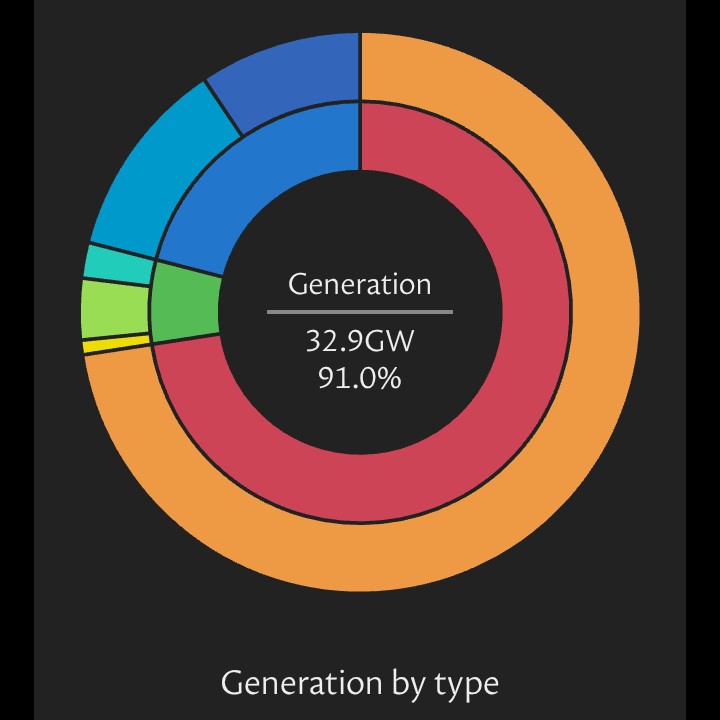
Scotland’s electricity system already faces structural challenges. Wind power now accounts for a large share of generation, but wind output is inherently variable. During cold, still winter periods, generation can fall sharply across the entire country at once. At such times, demand is at its highest, and the system relies heavily on gas-fired generation, interconnectors, and emergency balancing services. A few hours of battery storage does little to change that reality.
There is also the issue of curtailment. Scotland frequently generates more wind power than the grid can carry, leading to turbines being paid to switch off. Battery advocates often argue that storage will solve this problem. In reality, the scale of curtailment already runs into terawatt-hours each year. A single 1 GWh battery fills up in minutes during high-wind conditions and does nothing to address the underlying constraint: insufficient transmission capacity and limited long-duration storage.
Then there is the question of lifespan and cost. Lithium-ion batteries degrade over time, typically requiring replacement after 10 to 15 years. That means repeating the capital investment multiple times over the life of the energy system. These costs do not disappear; they are ultimately passed on to consumers through network charges and balancing costs. Yet this long-term burden is rarely mentioned in press releases celebrating new battery projects.
None of this is an argument against battery storage as such. Batteries are valuable tools for frequency control, short-term balancing, and supporting grid stability. But they are not a silver bullet for decarbonisation, nor a substitute for firm generation capacity or major investment in transmission infrastructure.
What is worrying is the growing gap between the technical realities of the power system and the way new projects are presented to the public. When headlines suggest that a single battery can “power a million homes”, it creates false expectations and undermines trust when those claims fail to translate into lived experience.
Scotland needs an energy debate grounded in engineering reality, not marketing optimism. That means being honest about what batteries can and cannot do, acknowledging the continuing need for reliable dispatchable power, and being upfront about the scale and cost of the infrastructure required to keep the lights on.
If we want public confidence in the energy transition, we must start by telling the truth about its limits as well as its possibilities.
Shane Oxer
Campaigner for Fair and Affordable Energy
 SAY NO TO THE DESTRUCTION OF OUR LAND
Leave a comment