The stretch of countryside between Bedale and Exelby is not an empty space waiting to be filled. It is a working landscape, shaped by generations of farming, walking, wildlife, and quiet rural life.
For many who live here, it is not just land , it is home.
That is why the proposal for a vast industrial-scale solar development at Stell has struck such a nerve.
More than 430 local objections have now been lodged against the scheme, alongside the concerns of parish councils and residents who know this landscape intimately. Their opposition is not ideological, and it is not anti-renewable. It is rooted in something far more grounded: the belief that this particular place is being asked to carry a burden that is neither fair nor justified.
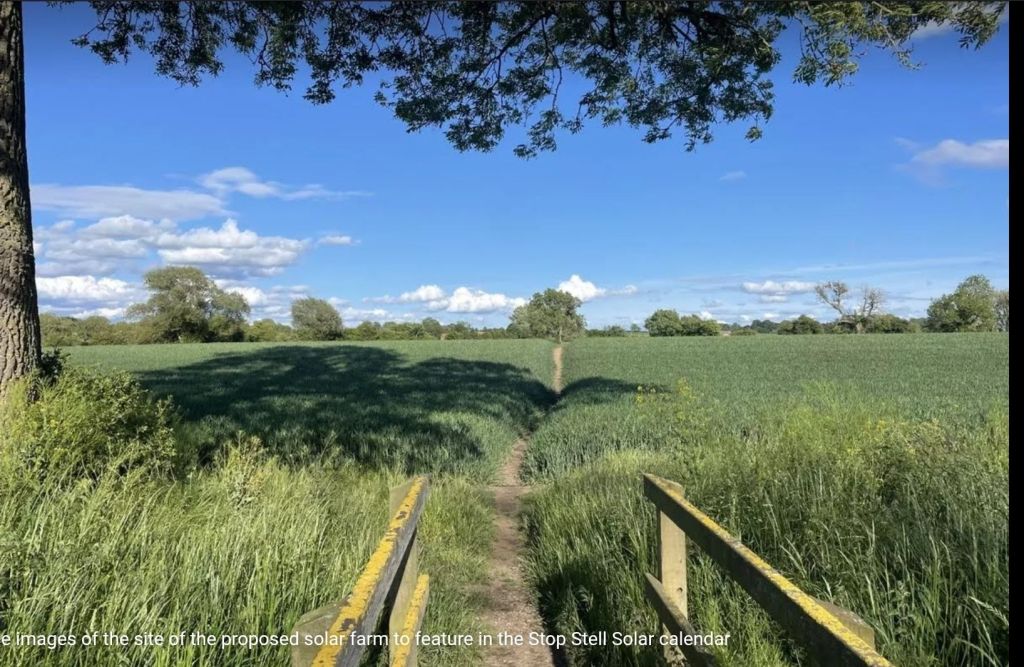
This is not a brownfield site. It is productive countryside. It sits in an area defined by open views, historic routes, and agricultural use , land that has sustained communities for generations. The scale of the proposal would industrialise that landscape for decades, altering its character irreversibly.
What frustrates many local residents is not simply the scale of the development but the way in which it has been brought forward. The scheme has been promoted as progress, yet critical questions remain unanswered. Particularly around whether the electricity generated can actually be exported into the grid and whether the supporting infrastructure exists at all.
These are not minor technicalities. If a development cannot realistically connect to the network, then the justification for sacrificing productive countryside collapses.
Local people have not objected lightly. Community groups have held meetings, raised funds, commissioned professional assessments, and engaged constructively with the process. This is not NIMBYism. It is civic engagement.
The fact that hundreds of objections have been submitted, while many supporting comments originate from outside the area, only reinforces the sense that those most affected feel unheard.
This is why the debate matters.
Planning decisions should be rooted in evidence, transparency, and long-term thinking , not rushed through on assumptions , or box-ticking exercises. Renewable energy is essential, but so is getting it right, in the right place, and for the right reasons.
As this application moves forward, councillors and decision-makers have a responsibility to look beyond headline targets and ask a simple question:
Does this proposal genuinely serve the public interest , or does it merely consume a beautiful landscape in pursuit of numbers on a spreadsheet?
That is the question local people are asking. And it deserves a serious, honest answer.
This Is Not Just Another Field – It’s a Landscape Worth Protecting
 SAY NO TO THE DESTRUCTION OF OUR LAND
Leave a comment