I didn’t arrive at this position because it was fashionable.
I arrived here because I have stood in places that still breathe.
Places where land, history, and silence are woven together so tightly that once you disturb them, you cannot simply stitch them back together again.
I see the planet not as a problem to be engineered, but as something living. Something older than policy targets, wiser than political slogans, and far more fragile than the language used to justify its transformation.
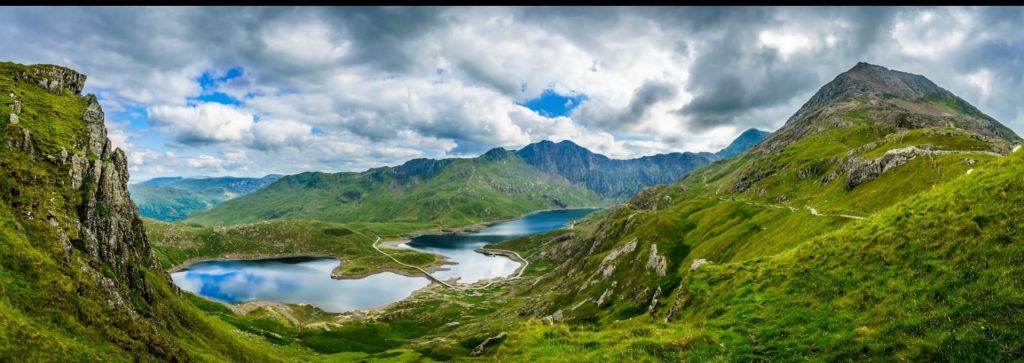
The countryside is not “unused land.”
It is memory. It is continuity. It is identity.
From the rolling fields and hedgerows of England, to the wild moors of the North, the rugged Highlands of Scotland, the valleys and mountains of Wales, and the quiet green landscapes of Northern Ireland , every part of the United Kingdom carries its own character, its own story, its own dignity.
And those stories are written into the land.
From Calderdale to Swaledale, from Wharfedale to Wensleydale and Bedale, from Hope Moor to Barningham Moor , these are not blank spaces on a map. They are some of the most iconic and scenic parts of England. They are places where great novelists told their tales, where walkers have trodden paths for generations, where dry stone walls trace history across the hills and the wind still moves through open heather as it always has.
These landscapes shaped literature. They shaped communities. They shaped identity.
The moors that inspired the Brontës. The valleys that echo with centuries of farming life. The hills that define what people across the world imagine when they think of quintessential Britain.
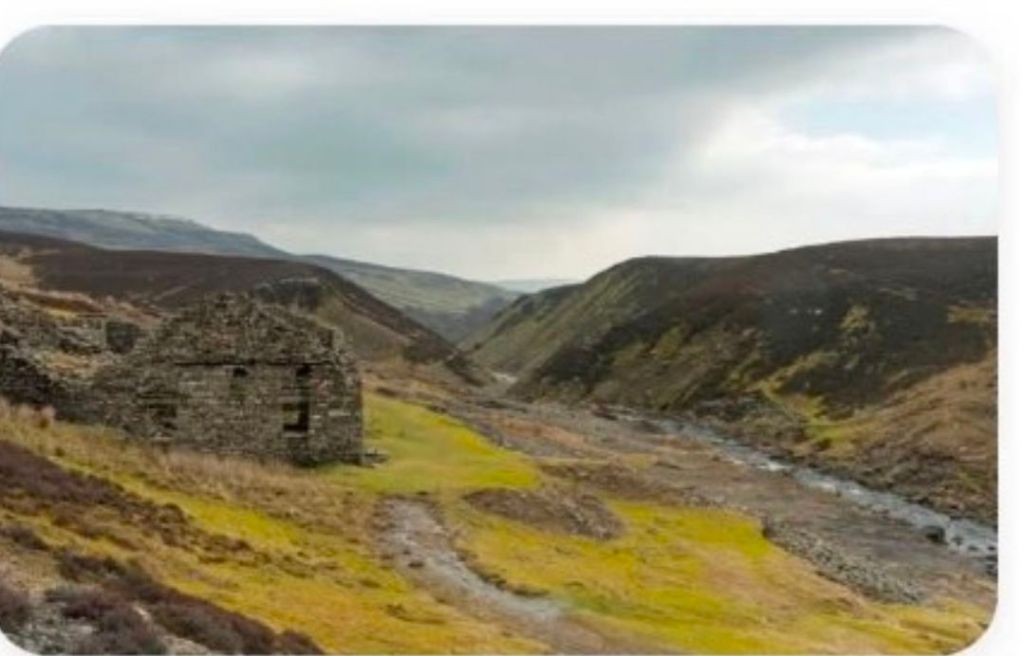
England, Wales, Scotland and Northern Ireland are remembered for their beauty and scenery , not for their infrastructure.
And because of that, I cannot accept the lie that destroying landscapes is somehow saving the planet.
I don’t want to dig the land up, pour concrete across it, or cage it in steel, pylons, cables, fencing, and compounds. I don’t want skylines broken by towers or open moorland reduced to industrial backdrops.
A field is not empty because it isn’t built on.
A horizon is not wasted because it doesn’t generate revenue.
Silence is not a failure , it is a gift.
Every part of the land matters.
Because the moment we decide that some places are expendable, we have accepted that all places are.
Once land becomes “capacity,” it stops being home.
Once countryside becomes “space,” it stops being sacred.
Once beauty becomes negotiable, it becomes temporary.
We are told this is progress. That loss today will be justified tomorrow. That industrialising nature is acceptable if the words used to describe it are green enough.
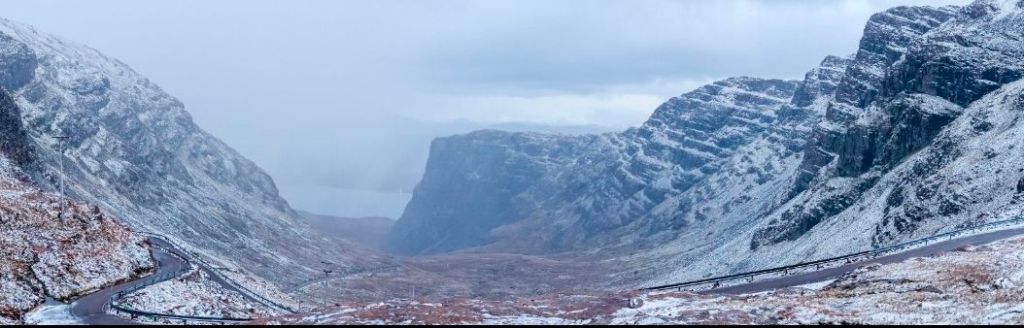
But real environmentalism does not begin with damage and promise restoration later. It does not trade what is irreplaceable for what is convenient. It does not ask rural landscapes to carry the burden of decisions made in distant offices.
Whitehall must understand something simple: these places are not policy tools. They are part of who we are. And they must be left alone.
True environmentalism preserves.
It protects what already exists.
It knows when to say no.
I want to leave something behind that still feels whole , something recognisable whether you stand in Calderdale, Swaledale, the Highlands, the Welsh mountains or the fields of Northern Ireland.
And so I will say this plainly, and without apology:
I am not anti-environment. I am anti-destruction.
And I will not call the loss of land, beauty, and silence “progress,” no matter how green the language sounds.
Shane Oxer. Campaigner for fairer and affordable energy.
 SAY NO TO THE DESTRUCTION OF OUR LAND
Leave a comment