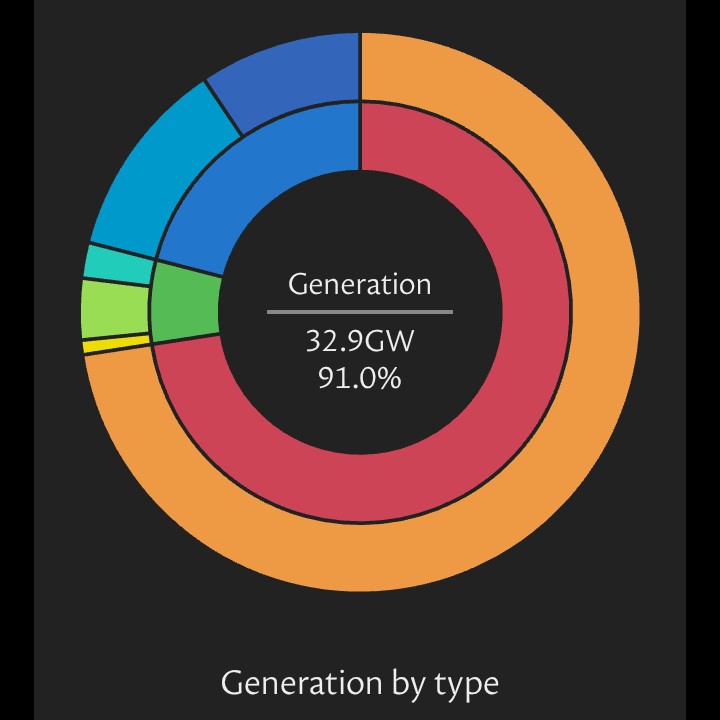
Ambition has collided with engineering reality
For years, Britain’s energy debate has been framed in terms of ambition. Targets, timelines, and the speed of transition. Yet increasingly, the conversation is shifting away from political aspiration toward something far more fundamental: whether the physical system can keep up.
Across regulators, industry briefings, and infrastructure planning, a new consensus is emerging. The central challenge is no longer simply building more generation, but maintaining reliability while undertaking the largest transformation of the electricity network since the dawn of electrification.
It is in this context that connection reform, known as Gate 2, must be understood , not as a routine upgrade, but as a corrective intervention in a system under strain.
Gate 2: Open-heart surgery on a grid that was never kept fit
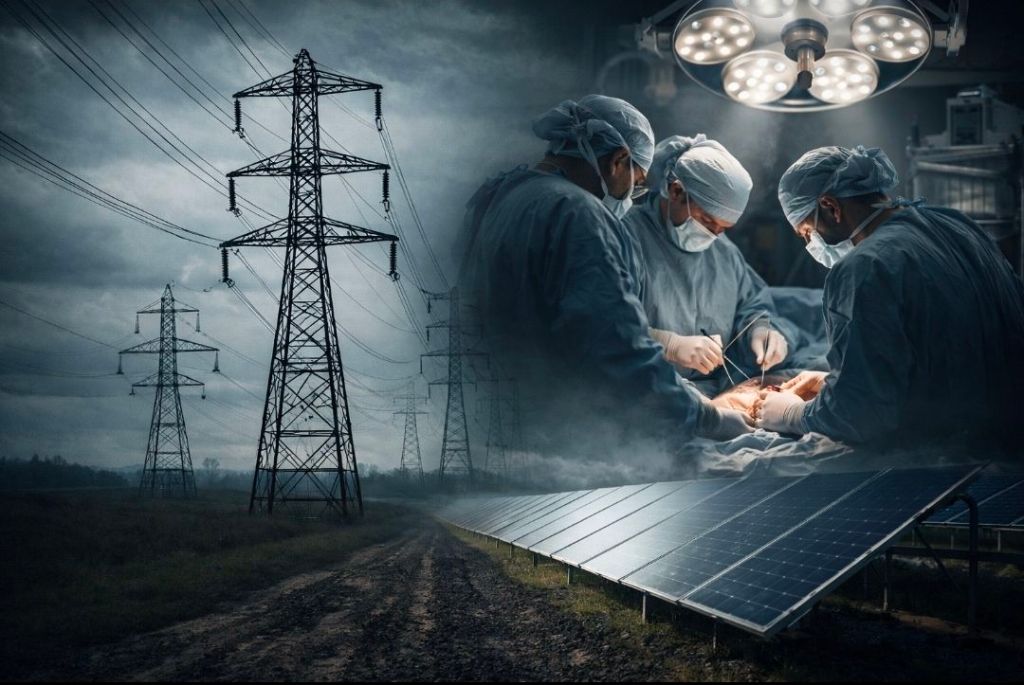
There is a tendency in policy circles to present electricity market reforms as evidence of progress , proof that the system is evolving, modernising, adapting to the demands of a cleaner future. But the introduction of connection queue reform tells a very different story. It is not a sign of a healthy system moving forward with confidence. It is the unmistakable signal of a system forced into emergency intervention after years of policy running ahead of physical reality.
The British electricity grid was never designed to absorb the sheer volume of projects now seeking connection. For decades it evolved incrementally, anchored around large synchronous power stations, predictable demand patterns, and a transmission backbone sized for stability rather than constant expansion. That architecture provided resilience because change was gradual and grounded in engineering discipline. What has happened over the past decade, however, is something altogether different: ambition has accelerated far faster than capability, and the system is now being asked to stretch beyond its original design envelope.
Queues for connection did not grow because the grid suddenly became inefficient. They grew because policymakers encouraged a flood of speculative capacity , far beyond what the network could physically accommodate , while assuming infrastructure would somehow catch up. The result is a system now facing hundreds of gigawatts of applications competing for finite transformer capacity, constrained transmission corridors, and limited outage windows. In any physical network there is a point at which volume overwhelms process. Gate 2 is the acknowledgement that point has been reached.
Supporters describe the reform as a sensible prioritisation mechanism, but triage is not something you introduce into a system operating comfortably within its limits. Triage is what hospitals implement when demand exceeds capacity. Gate 2 is therefore less a reform than a stabilisation measure , an attempt to regain control after the queue became unmanageable.
Maintaining the system while rebuilding it
Compounding the challenge is the condition of the network itself. Much of Britain’s transmission infrastructure is ageing and requires ongoing maintenance, refurbishment, and replacement. Asset health programmes cannot simply be paused while the system is redesigned. Yet current policy effectively requires both to happen simultaneously: maintaining an ageing grid while fundamentally restructuring it to accommodate a vastly expanded and more geographically dispersed generation fleet.
That is akin to performing major surgery while the patient is still recovering from chronic illness , possible, but inherently riskier. Outage windows, skilled labour, and equipment are finite resources, and every reinforcement project competes with routine maintenance for the same capacity.
This tension is why concerns about reliability are becoming more explicit across the sector.
The infrastructure gap
At its core, the issue is one of sequencing. Historically, power systems expanded outward from a foundation of firm capacity and strong transmission cores. Today’s approach has reversed that logic, encouraging volume first and assuming infrastructure will adapt afterward.
The consequences are now visible in connection delays, rising reinforcement costs, and increasing complexity in system operation. Electricity networks are physical machines governed by physics, geography, and engineering constraints. Transformer capacity, stability margins, and transmission capability cannot be expanded instantly or without trade-offs.
Every new connection requires reinforcement somewhere, and every reinforcement requires time.
The seasonal reality policymakers cannot ignore
Overlaying the infrastructure challenge is a fundamental seasonal truth: Britain’s electricity demand peaks in winter, precisely when solar generation is at its lowest.
This mismatch means that solar, while contributing to annual energy totals, provides limited support during periods of peak demand. As a result, firm generation capacity remains essential to ensure reliability.
This is not a criticism of solar technology itself; it is simply a reflection of geography and climate. Shorter days, lower sun angles, and weather patterns limit output during the months when the system is under greatest strain.
Land use and system value
The seasonal nature of solar generation raises an important question about land use efficiency. Deploying large-scale solar on productive farmland does not remove the need for alternative generation capacity, meaning the system must support both simultaneously.
In practical terms, this represents duplication rather than substitution — requiring both firm generation and extensive land use while delivering limited winter contribution.
A more rational approach would prioritise solar deployment on rooftops, industrial land, and brownfield sites, where it can contribute without displacing agriculture or altering landscapes unnecessarily.
The cost of complexity
As infrastructure complexity increases, so too does the cost of building and operating the system. Reinforcement works, stability equipment, connection upgrades, and operational balancing all contribute to rising network expenditure.
Regulatory frameworks now acknowledge the need for significant investment simply to maintain resilience while expanding capacity. This reflects the reality that infrastructure readiness , not generation ambition , is becoming the defining challenge of the transition.
A system at the limits of its design envelope
Taken together, queue reform, maintenance pressures, infrastructure constraints, and seasonal realities point to a single conclusion: Britain’s electricity system is operating close to the limits of its historic design assumptions.
This does not mean change is impossible, nor that transition should stop. But it does mean the pace and sequencing of change must align with physical capability. When policy ambition runs ahead of engineering constraints, corrective interventions become inevitable.
Gate 2 is one such intervention , a sign not of smooth progress, but of a system adjusting to pressures that can no longer be ignored.
Conclusion: the lesson of Gate 2
The lesson is not that change is wrong, but that physics ultimately sets the terms. Electricity systems cannot be transformed by targets alone. They require infrastructure, stability, and sequencing grounded in engineering reality.
Unless policy begins with strengthening the backbone of the system before expanding volume, similar corrective measures will continue to emerge, each one a reminder that ambition without physical readiness carries consequences.
The debate has therefore moved beyond targets and timelines. The real question now is whether Britain is building an energy system that is not only cleaner, but resilient , one capable of delivering reliable power through winter peaks, economic growth, and the unpredictable demands of the future.
Because in the end, electricity policy is not judged by intentions, but by whether the lights stay on.
Shane Oxer. Campaigner for fairer and affordable energy
 SAY NO TO THE DESTRUCTION OF OUR LAND
Leave a comment