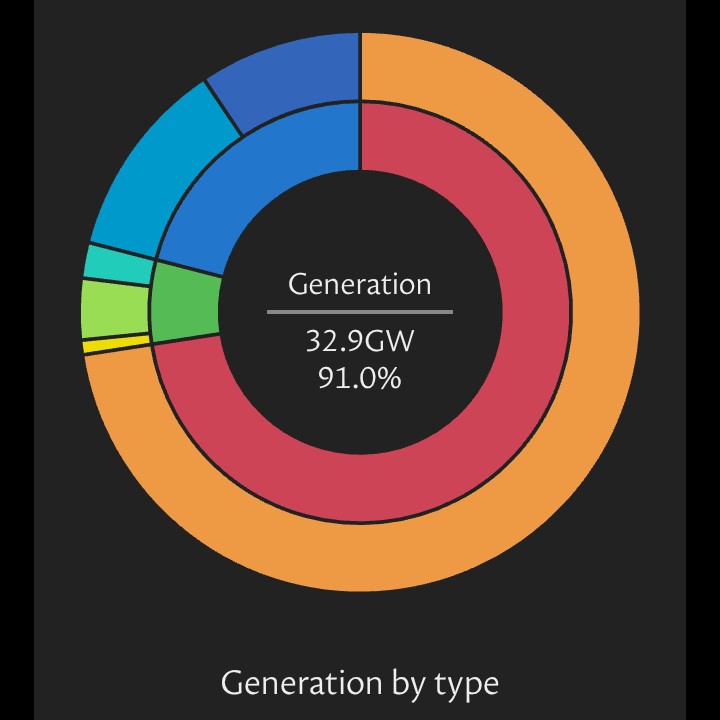
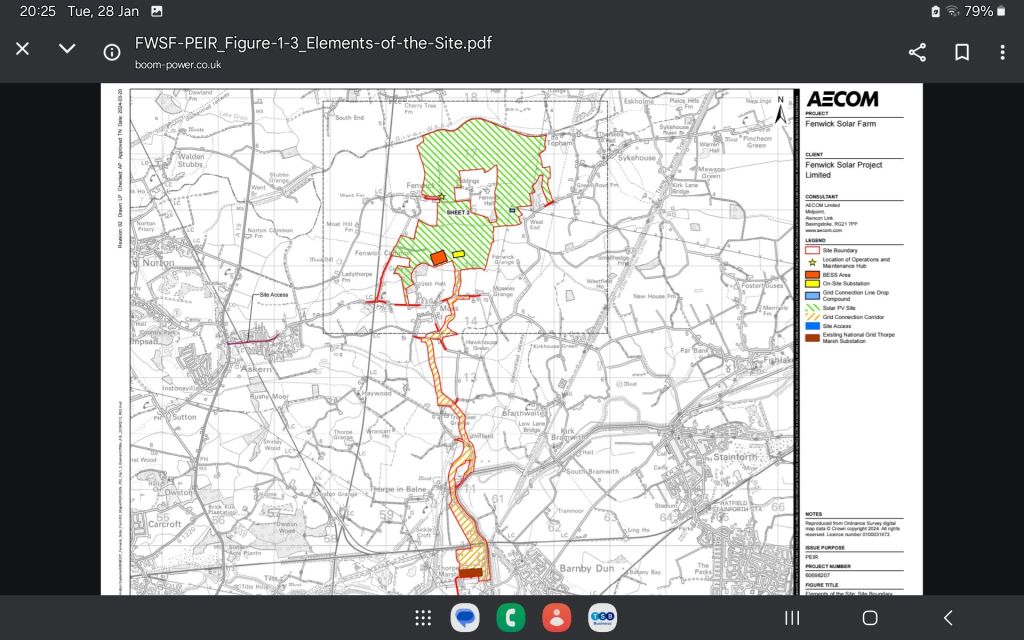
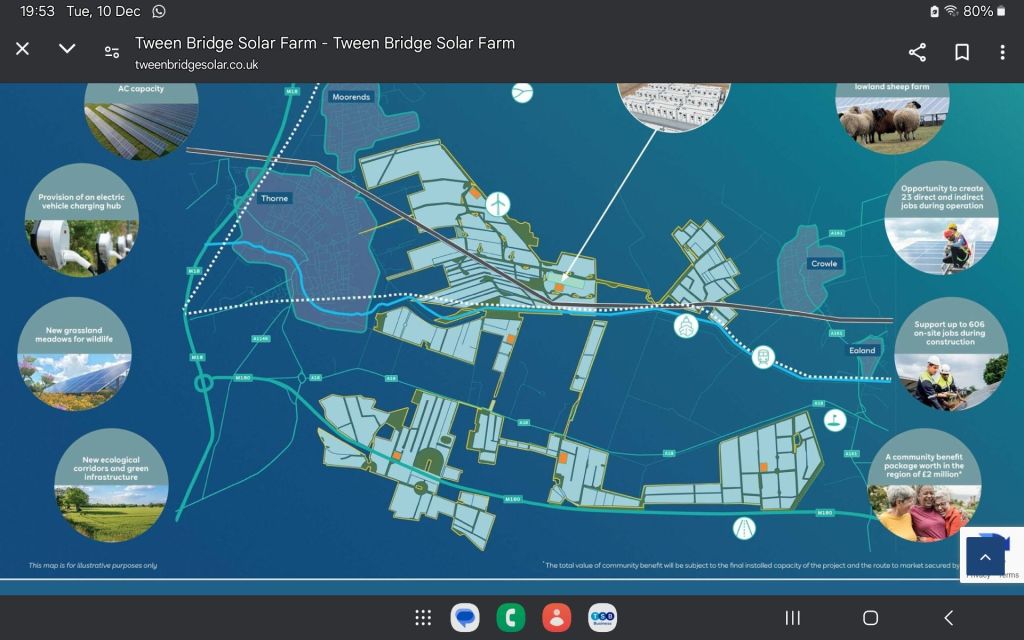
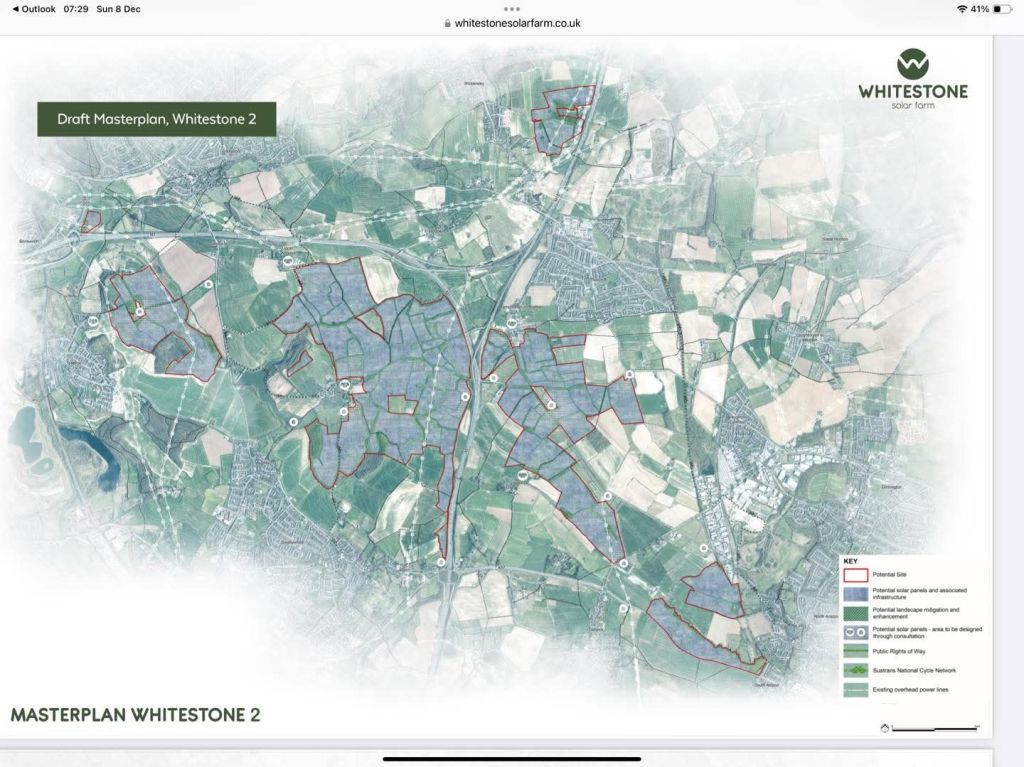
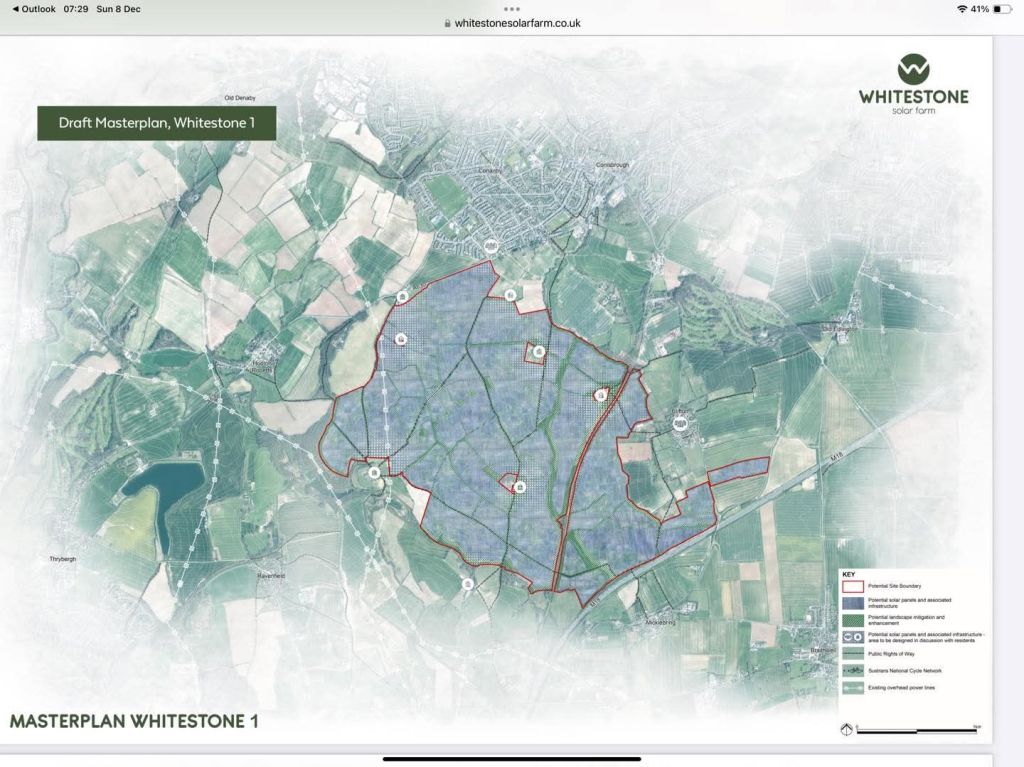
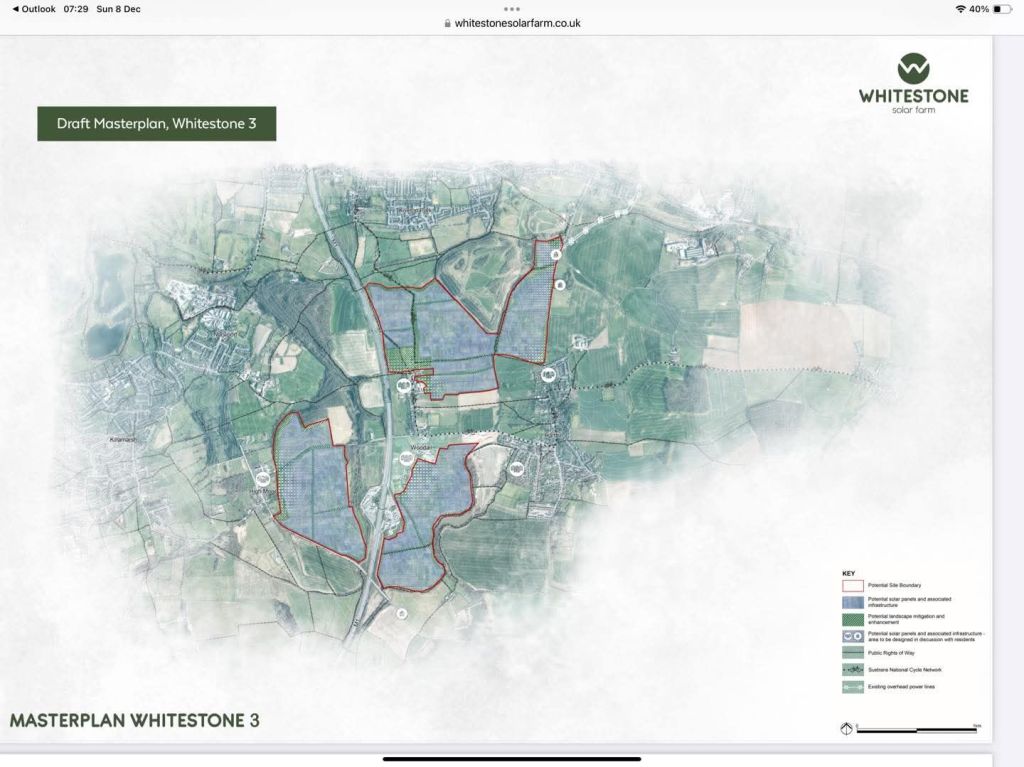
Planned solar farms around south Yorkshire Projected power for homes 500,000
Why Governments, Corporations, and the Public Must Wake Up Before It’s Too Late
The world is at a critical turning point. While efforts to transition toward sustainable energy are well-intentioned, many current policies and corporate strategies are accelerating environmental degradation rather than preventing it. Governments, corporations, and individuals must wake up to the unintended consequences of large-scale green energy expansion before irreversible damage is done to the planet’s natural systems.
From deforestation and habitat destruction to ocean pollution and soil degradation, the unchecked rollout of industrial-scale renewable projects is disrupting the Earth’s ability to regulate CO₂, produce oxygen, and sustain life. If we fail to address these issues now, we risk creating a world where nature’s ability to recover is permanently weakened.
1. Governments Must Rethink Policy Before It’s Too Late
Governments are under pressure to meet net-zero targets and reduce carbon emissions, but many policies are prioritizing industrial solutions over natural ones—often at the expense of the environment.
Flawed Net-Zero Strategies
Governments are incentivizing solar and wind projects that require mass deforestation, replacing natural carbon sinks with artificial energy infrastructure.
Offshore wind farms are disrupting marine ecosystems, damaging plankton populations that play a vital role in absorbing CO₂ and producing oxygen.
Energy policies focus on reducing CO₂ at all costs, without recognizing that CO₂ is essential for plant growth and oxygen production.
The Need for Smarter Planning
Instead of sacrificing farmland, forests, and marine ecosystems, governments should:
Prioritize reforestation and soil restoration as key elements of climate policy.
Utilize brownfield and degraded land for solar and wind farms instead of vital agricultural and natural spaces.
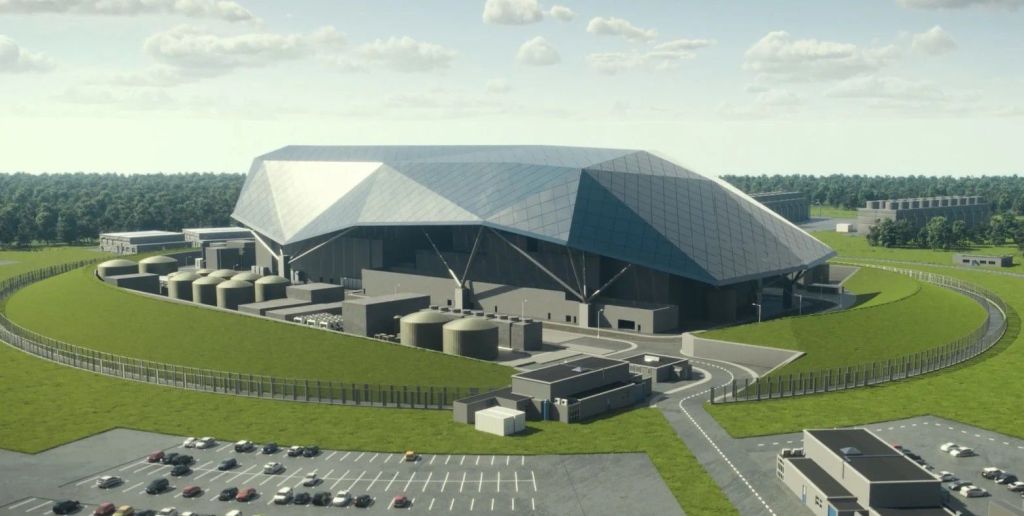
Invest in nuclear energy, which provides reliable power with minimal land and environmental impact.
By blindly following short-term carbon reduction targets, governments are missing the bigger picture—damaging the planet’s ability to regenerate and sustain life
2. Corporations Must Stop Prioritizing Profit
The Urgency: We Are Running Out of Time
If governments, corporations, and the public fail to course-correct, we will face long-term consequences:
Irreversible ecosystem collapse—deforestation and soil degradation will limit nature’s ability to absorb CO₂ and produce oxygen.
Widespread energy instability—an over-reliance on intermittent renewables without adequate alternatives will cause blackouts and economic hardship.
A lost opportunity for real sustainability—once natural ecosystems are destroyed, no amount of technology can fully replace their functions.
Now is the time to wake up and rethink our approach to energy and environmental stewardship. By prioritizing real sustainability over short-term gains, we can protect the planet’s natural balance for future generations.
Over True Sustainability
Many corporations are using the green energy transition to maximize profits under the guise of sustainability, often at the cost of the environment and local communities.
The Greenwashing of Environmental Destruction
Large corporations buy carbon offsets while continuing to destroy natural ecosystems.
Mining for lithium, cobalt, and rare earth metals for renewable energy components is polluting rivers, poisoning farmland, and displacing communities.
Investment firms profit from government subsidies for green projects while ignoring their environmental impact.
Corporate Responsibility: A Smarter Path Forward
Adopt energy solutions that minimize land and water destruction, such as nuclear energy and geothermal power.
Ensure supply chains are environmentally responsible, particularly in the mining and production of energy components.
Support policies that balance sustainability with economic stability, rather than pushing short-term profit-driven solutions.
If corporations continue prioritizing financial gain over long-term environmental stability, they risk creating an ecological crisis that no amount of money can fix.
3. People Must Demand Real Change—Not Just the Illusion of It
Public support for green energy has largely been based on good intentions—a desire to protect the planet for future generations. However, many people are unaware of the hidden costs behind these energy transitions.
Misinformation and the Public Perception Problem
Many people believe renewables alone can replace fossil fuels, despite their intermittent nature and high land requirements.
The negative impacts of green energy—deforestation, water pollution, and biodiversity loss—are rarely discussed in mainstream conversations.
Governments and corporations promote short-term “solutions” that look good politically but fail to address long-term sustainability.
The Power of Public Awareness
People must question the mainstream narrative and push for policies that:
Balance green energy expansion with environmental protection—not one at the expense of the other.
Promote a mix of energy sources, including nuclear, hydro, and emerging technologies like small modular reactors (SMRs).
Hold governments and corporations accountable for destructive practices hidden behind “sustainability” branding.
By educating themselves and demanding smarter energy policies, individuals can drive meaningful change before it’s too late.
The Urgency: We Are Running Out of Time
If governments, corporations, and the public fail to course-correct, we will face long-term consequences:
Irreversible ecosystem collapse—deforestation and soil degradation will limit nature’s ability to absorb CO₂ and produce oxygen.
Widespread energy instability—an over-reliance on intermittent renewables without adequate alternatives will cause blackouts and economic hardship.
A lost opportunity for real sustainability—once natural ecosystems are destroyed, no amount of technology can fully replace their functions.
Now is the time to wake up and rethink our approach to energy and environmental stewardship. By prioritizing real sustainability over short-term gains, we can protect the planet’s natural balance for future generations.
 SAY NO TO THE DESTRUCTION OF OUR LAND
You must be logged in to post a comment.