The Hype: Britain’s Biggest Battery
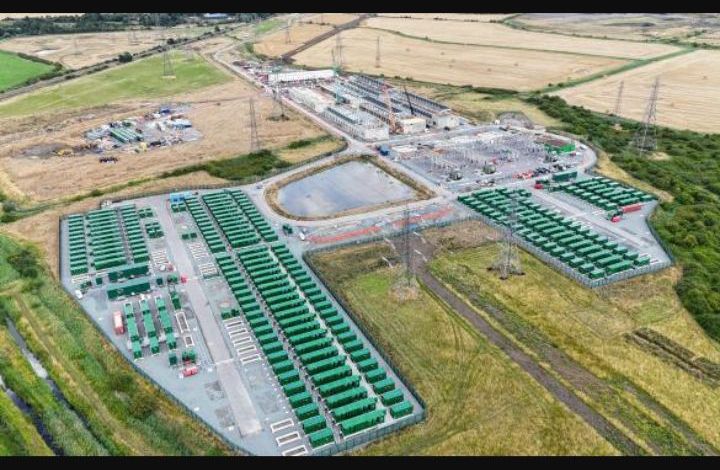
On 18th August 2025, National Grid proudly announced that it had connected the UK’s largest battery energy storage system at Tilbury in Essex.
The headlines sound impressive:
300MW of capacity.
680,000 homes “powered.”
A symbolic shift “from coal to clean.”
It’s the kind of glossy announcement designed to make you feel the Net Zero dream is real, that Britain is marching confidently into a greener future.
But scratch the surface, and the story looks very different.
The Reality: Two Hours of Power
Yes, the Thurrock Storage battery is big by UK standards: 300MW / 600MWh. But here’s what that actually means:
It can deliver 300MW of power, but only for two hours.
That “680,000 homes” figure is a sleight of hand. In truth, it could run those homes for a couple of hours, not indefinitely.
For context:
Britain consumes around 900,000MWh every day.
This battery covers 0.07% of that daily demand.
It’s a drop in the ocean, not a replacement for real power stations.
The Symbolism Trick
National Grid painted this as a victory over coal:
> “Our Tilbury substation once served a coal plant, and with battery connections like this, it’s today helping to power a more sustainable future.”
Sounds inspiring. But left out is the fact that the same site will soon host a 450MW gas plant. That doesn’t quite fit the “coal-to-clean” slogan.
It’s not a clean transition. It’s coal to gas plus a couple of batteries.
What They Didn’t Tell You
Here’s what’s missing from the press release:
Cost: Building this battery cost well over £300 million. Who pays? Ultimately, you do – through your energy bills.
Losses: Batteries waste 10–15% of the energy stored.
Back-up: When the wind isn’t blowing for days, or solar collapses in winter, a two-hour battery does almost nothing.
But the PR spin doesn’t dwell on that. It gives you the illusion of progress, not the truth of limitations.
The Bigger Picture
This isn’t an isolated case. It’s part of a pattern of climate propaganda:
Overinflate small-scale projects.
Ignore costs, efficiency losses, and fossil backup.
Frame symbolic gestures (coal plant replaced by battery) as system-changing progress.
Condition the public to believe Net Zero is inevitable, affordable, and working.
Meanwhile, the hard engineering truth is brushed aside. Britain still relies on gas, nuclear, and imports to keep the lights on.
Conclusion: Don’t Fall for the Brainwash
The Tilbury battery is not a revolution. It’s a giant PR stunt – a short-term storage unit dressed up as a “clean energy milestone.”
If the public keeps swallowing this spin, we’ll end up paying more for an energy system that’s less reliable and still dependent on fossil fuels.
The truth? Batteries don’t generate power. They just move it around. And right now, Net Zero is running on illusion, not reality.
🔥 Call to Action:
“Don’t let the spin merchants decide Britain’s energy future. Demand honesty, demand affordability, and demand real power – not PR batteries.”

 SAY NO TO THE DESTRUCTION OF OUR LAND
Leave a comment