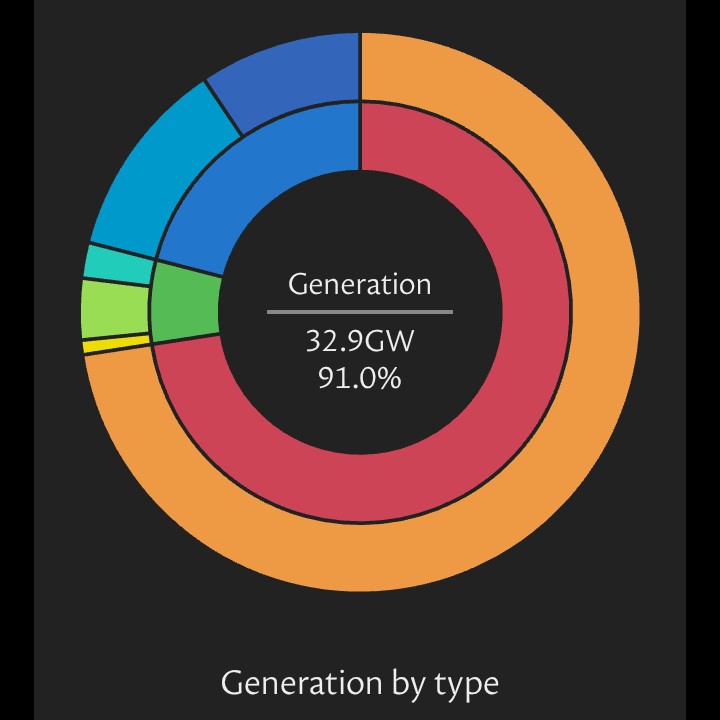
Miliband’s Energy Strategy Collides with the Physical Limits of the Grid
By Shane Oxer. Campaigner for fairer and affordable energy
The Failure of “Faster and Harder”
Ed Miliband’s strategy assumes that if we accelerate deployment, the system will adapt. But the system is not political. It is physical.
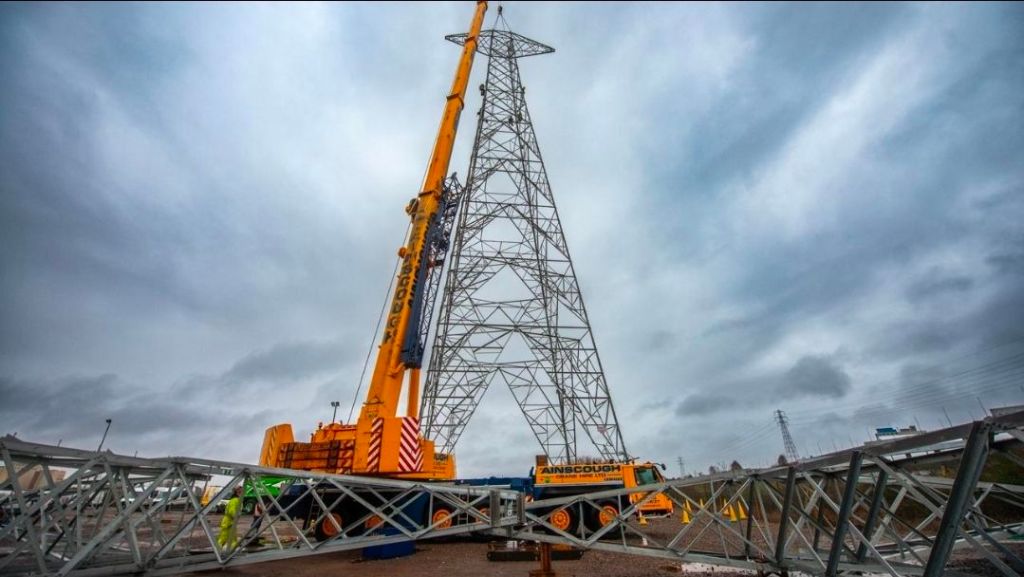
You cannot accelerate planning consent for pylons, land acquisition for cable corridors, transformer manufacturing lead times, grid outages required for upgrades, or the laws of electrical engineering. These are hard constraints. They do not bend to policy.
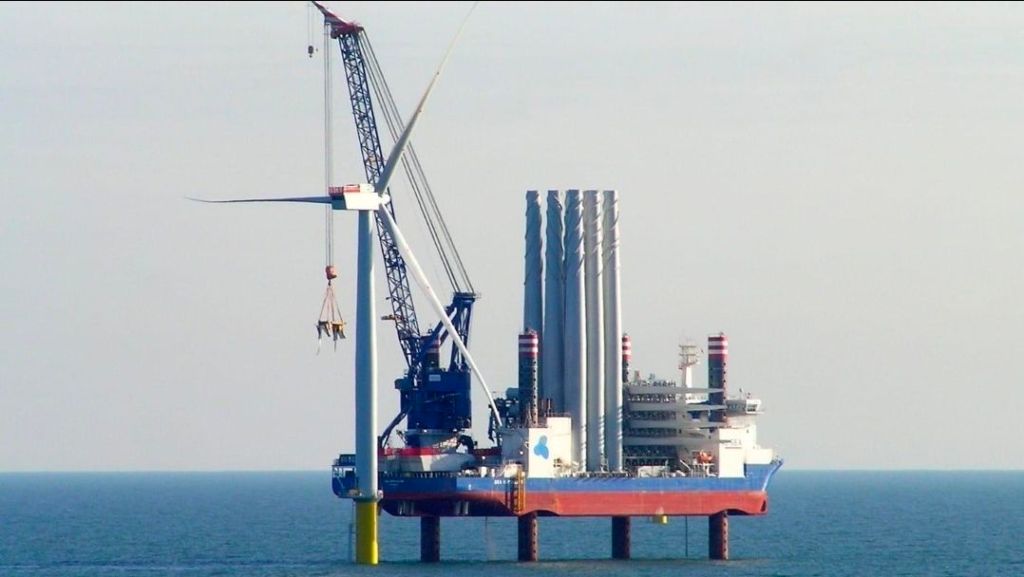
The Government tells us that projects like East Anglia Three will be operational by 2026 and will power over a million homes. It sounds impressive, but it avoids the only question that matters: can the grid actually take the power when it arrives? Because before a single unit of electricity reaches a home, it must pass through a system that is already under strain. In East Anglia, that strain is concentrated around one critical part of the network—Bramford.
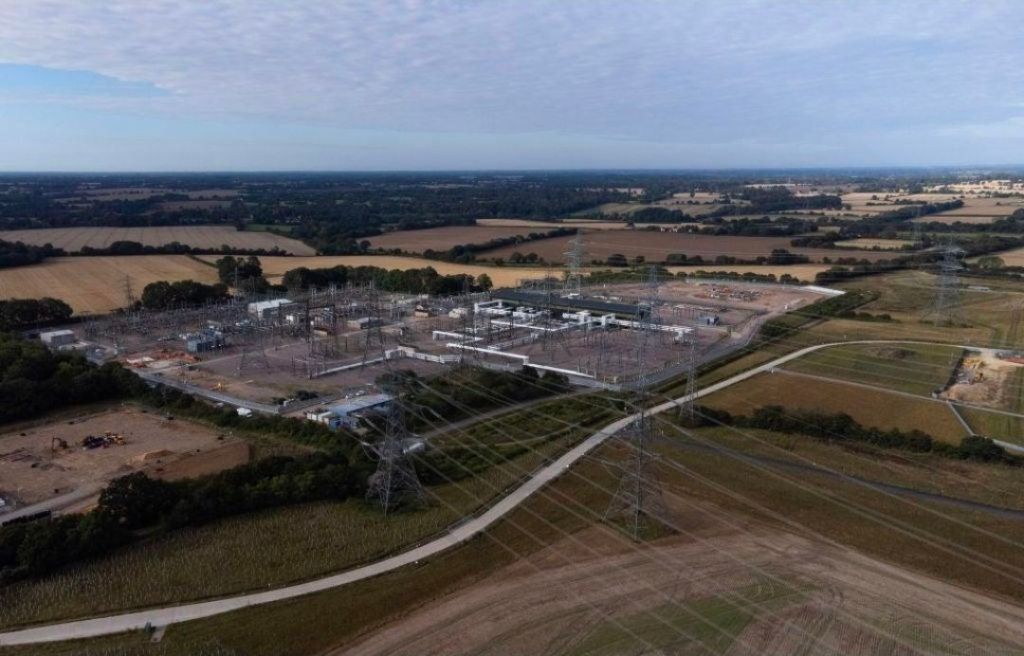
Bramford is not just another substation; it is one of the key transmission gateways through which large volumes of electricity must pass before they can move inland. And the scale of what is being pushed into the system is enormous. Offshore wind alone in the East Anglia cluster is approaching 3.8 gigawatts when you include East Anglia ONE, ONE North, TWO and THREE. On top of that, your own grid register data shows around 1.36 gigawatts of solar and a further 0.6 gigawatts of battery and long-duration storage tied into Bramford. Then there is Sizewell C, expected to deliver around 3.2 gigawatts of nuclear power later in the decade. Taken together, this is approaching 9 gigawatts of generation concentrated within the same regional system.
The problem is not generation. The problem is movement. All of this electricity has to go somewhere, and the system responsible for moving it is not ready. The National Energy System Operator has already stated that the existing East Anglia network is insufficient under all scenarios. That is not a political critique; it is the technical assessment of the body responsible for keeping the system stable.
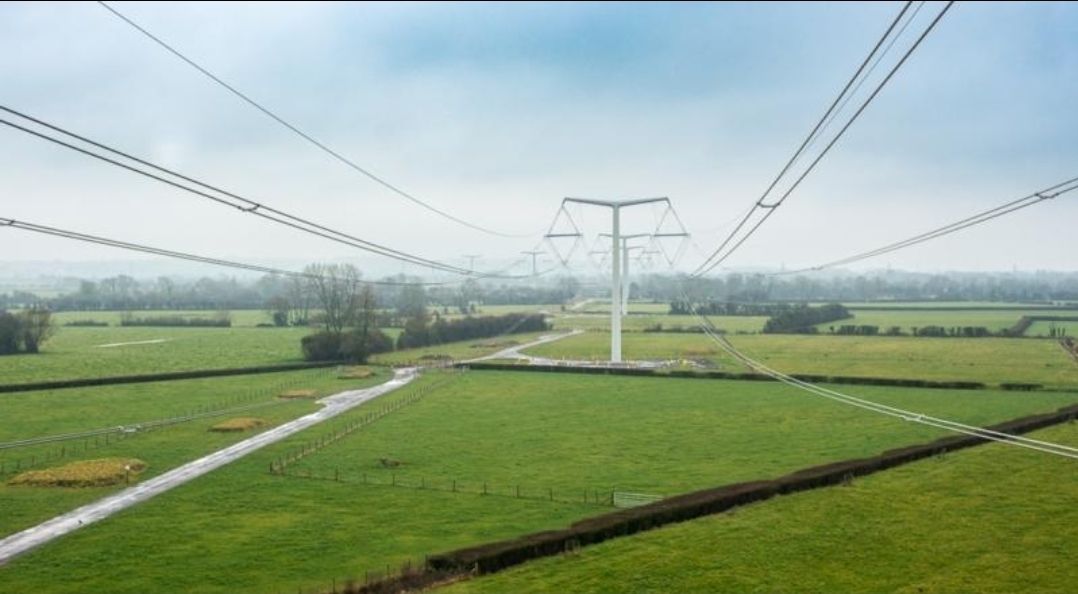
The response to this problem is not immediate. It is a series of major infrastructure projects that are still in progress or not yet built. The most immediate is the Bramford to Twinstead reinforcement, a new 400kV route designed to relieve the bottleneck and move power out of the region. It was broadly expected around 2028, but is now scheduled for completion in late 2029, with the main construction phase only just beginning. Beyond that sits the much larger Norwich to Tilbury corridor, a 180-kilometre reinforcement still in the planning system, alongside the Sea Link project, an offshore HVDC cable intended to move power to Kent. Both of these are realistically early 2030s solutions.
This creates a fundamental mismatch. The generation is arriving now, between 2026 and 2028, while the infrastructure required to carry it is not expected to be fully in place until around 2030 or later. In that gap, the system does not simply cope. It constrains. Wind farms are instructed to reduce output, electricity is effectively wasted, and consumers pay compensation for energy that was generated but never used.
This is the part of the energy debate that is rarely explained. The public is told about installed capacity and ambitious targets, but not about the physical system required to deliver that power. Yet it is the grid that ultimately determines what is possible. You can build turbines faster. You can approve solar farms more quickly. But you cannot build a transmission system at the same speed, because it is bound by land, engineering, materials, and time.
The shift of the Bramford reinforcement into late 2029 may sound like a technical detail, but it exposes the wider issue. By the time the infrastructure needed to move this power is completed, the generation it was meant to support will already have been operating for years. That is not coordinated planning. It is a system playing catch-up with itself.
And that is the fundamental flaw in the “faster and harder” approach. It assumes that if enough generation is built, the system will adapt around it. But the grid does not work like that. It has to be built first, not after the fact. Otherwise, you are not delivering energy security. You are building capacity that cannot be fully used.
The reality is simple and unavoidable. The UK is turning regions like East Anglia into major power generation hubs while the infrastructure required to move that power remains under construction. Until that changes, the pace of policy will continue to outrun the pace of physics.
And physics, unlike politics, cannot be negotiated.
Shane Oxer. Campaigner for fairer and affordable energy
 SAY NO TO THE DESTRUCTION OF OUR LAND
Leave a comment