Before the Wires Come
Why I Need to Walk the Pennine Way Before It Is Changed Forever
By Shane Oxer — Campaigner for Fairer and Affordable Energy
There are some journeys in life that are more than just a walk.
They are a pilgrimage.
For me, the Pennine Way is one of those journeys.
For years I have looked at Britain’s wild places and wondered how much longer they will remain untouched. The Pennine Way runs through some of the most breathtaking landscapes in England,high moorland, ancient valleys, reservoirs reflecting endless skies, windswept ridges, stone walls built by generations long gone, and horizons that seem to stretch forever.
It is not simply a footpath.
It is a living connection to the soul of England.
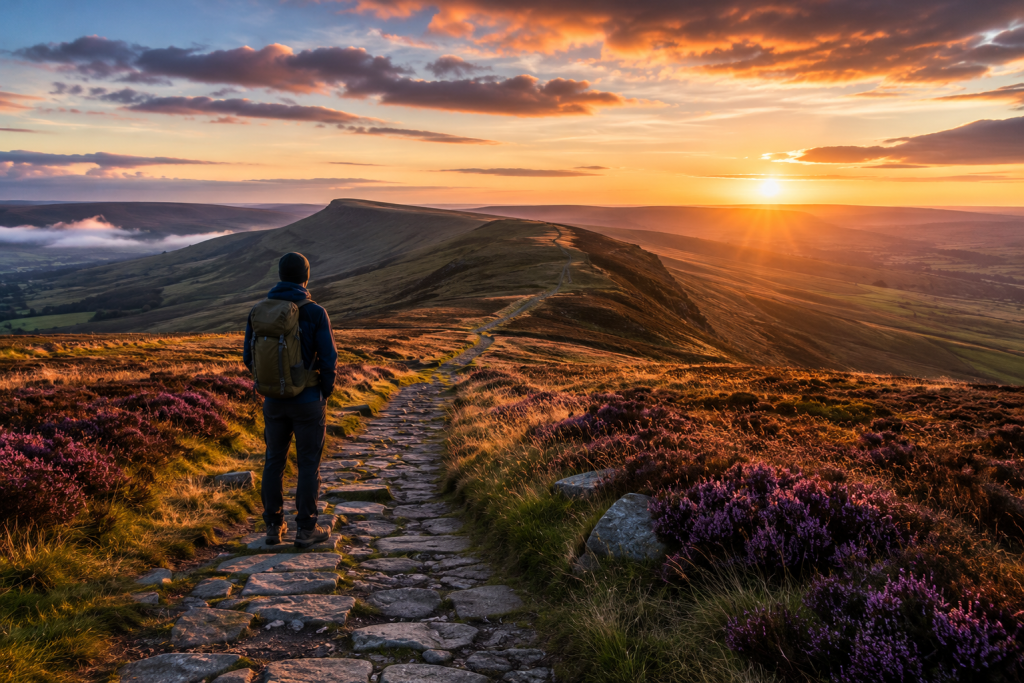
Looking at these photographs, I am reminded exactly why I want to make that journey.
The still waters beneath vast skies.
The rolling moorland untouched by urban sprawl.
The silence.
The sense of freedom.
The feeling that for a few moments you can stand in a landscape that remains largely unchanged from what our grandparents knew.
Yet increasingly, I feel a growing urgency.
Because I fear that many of these views will not remain as they are for much longer.
A Landscape Worth Protecting
When people think of infrastructure, they often imagine something distant and abstract.
A planning application.
A map.
A government announcement.
A line on a spreadsheet.
But out here, infrastructure becomes something very real.
A pylon is no longer a symbol.
It is a steel tower standing above a ridgeline that once belonged only to the sky.
A wind turbine is no longer an artist’s impression.
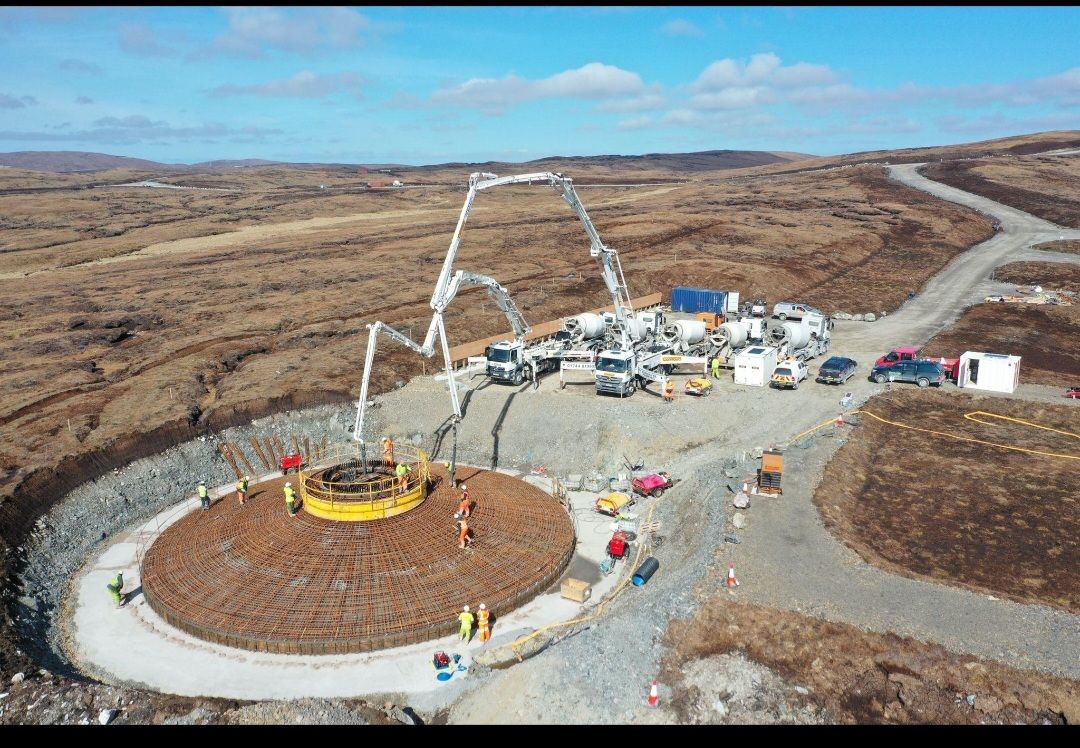
It becomes a 200-metre industrial structure dominating horizons that have remained open for centuries.
Substations, access roads, compounds, concrete foundations, battery storage sites, transmission corridors and construction compounds all leave their mark on landscapes that many people believe should remain wild.
The Pennines are not empty land waiting to be developed.
They are part of our national heritage.
Every valley tells a story.
Every stone wall represents generations of labour.
Every moor carries echoes of those who walked before us.
Walking Through History
The Pennine Way is Britain’s oldest National Trail.
For many walkers it represents a challenge.
For others it is an escape.
For me it represents something deeper.
It is an opportunity to see England as it should be.
Not through a car window.
Not from a planning document.
But at walking pace.
To watch the sunrise over the moors.
To hear curlews calling across the valleys.
To stand beside reservoirs and understand why previous generations protected these places.
Walking allows you to notice details that modern life often ignores.
The changing colours of the heather.
The sound of wind moving through grass.
The isolation of a remote valley.
The immense scale of open country.
These experiences cannot be recreated.
Once a landscape is industrialised, something irreplaceable is lost.
The View Before the Change
Some people will say that development is inevitable.
Perhaps it is.
But surely there is value in seeing a place before it changes.
Future generations will look at old photographs and ask what these landscapes once looked like.
I do not want my only memory of the Pennines to come from old pictures.
I want to stand there myself.
I want to walk those miles.
I want to feel the vastness of the moors and the solitude of the hills while they still retain the character that has inspired walkers, writers and artists for generations.
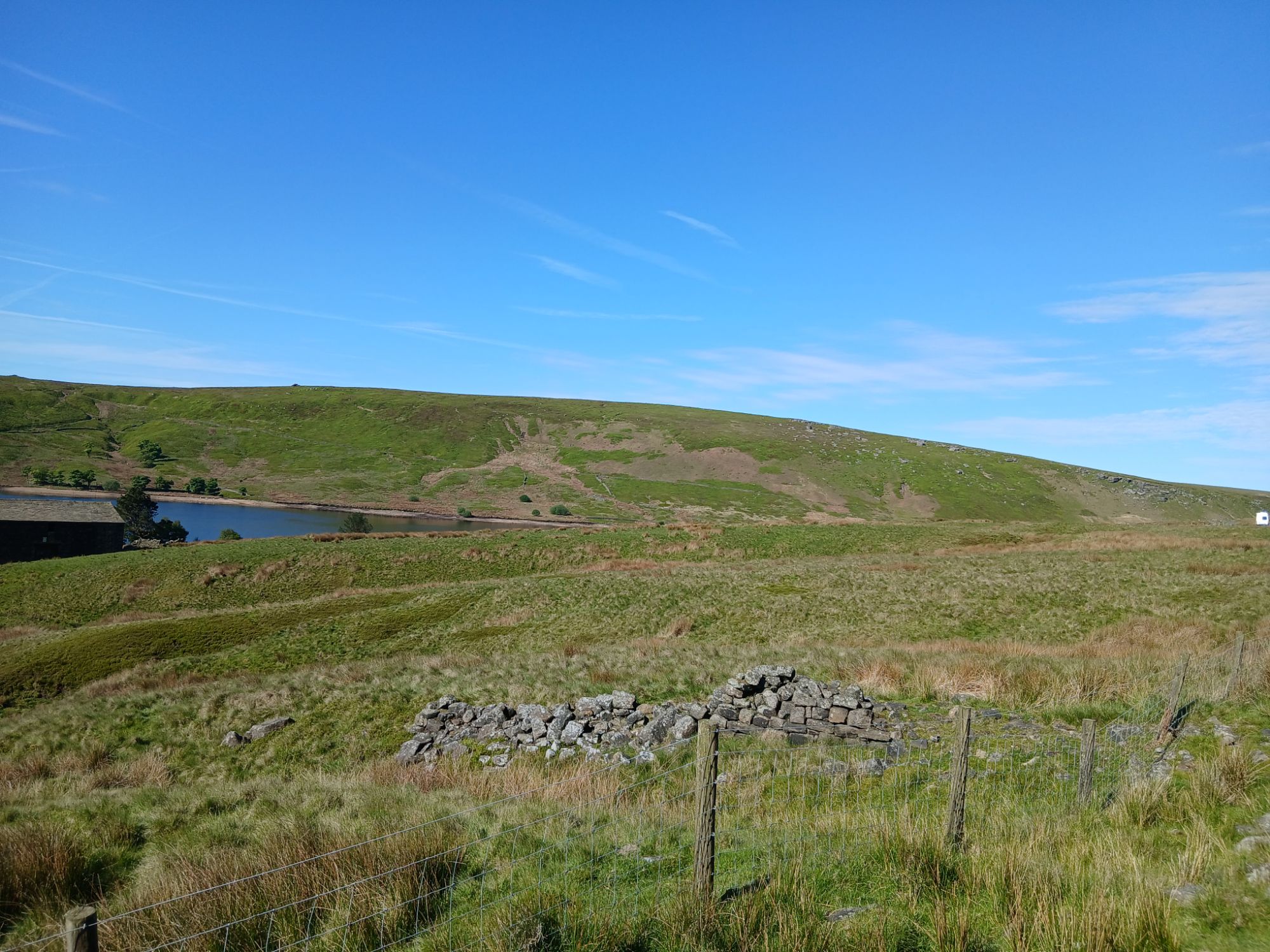
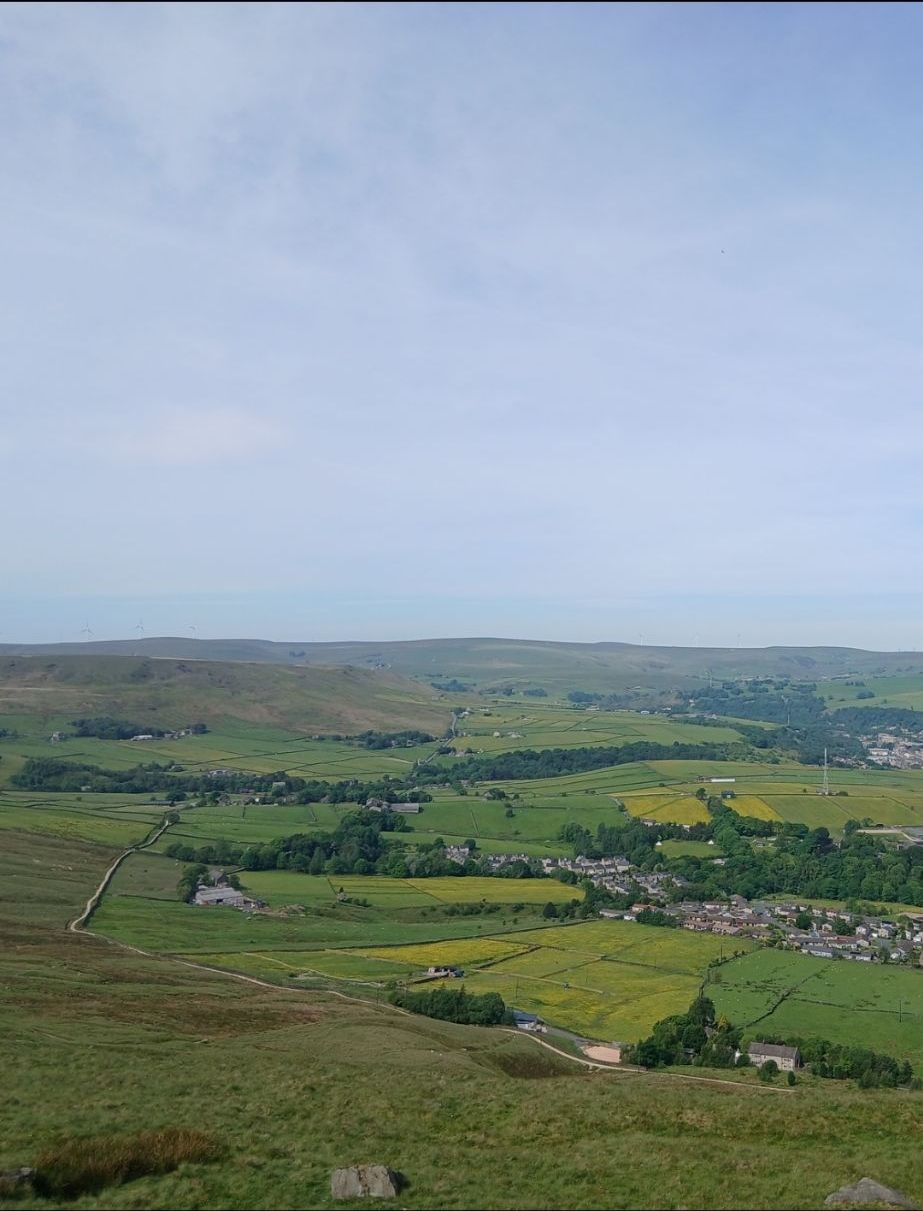
The images above capture exactly that feeling.
The open reservoir framed by rough grassland.
The sweeping horizons untouched by urban development.
The sense that nature remains the dominant force.
These are not merely views.
They are experiences.
And experiences like these become rarer every year.
More Than a Walk
Completing the Pennine Way would be a personal achievement.
But it would also be a statement.
A statement that landscapes matter.
That beauty matters.
That heritage matters.
That not every open space should be viewed as a development opportunity.
Britain is a small island.
Once these landscapes are altered, there is no spare countryside waiting to replace them.
Concrete foundations can remain for decades.
Access roads can scar hillsides.
Transmission corridors can transform entire valleys.
The cumulative effect can be profound.
This is why I feel compelled to walk now.
Not next year.
Not someday.
Now.
Before decisions made in distant offices reshape the horizons that define this country.
The Duty of Our Generation
Every generation inherits a landscape.
We borrow it from those who came before us and pass it on to those who follow.
The question is simple:
Will we pass it on in better condition, or worse?
The Pennines have survived centuries of change.
They have endured industrial revolutions, wars, economic upheaval and social transformation.
Yet their great open spaces remain one of England’s most precious treasures.
Standing on a Pennine ridge, looking across miles of open country, it is impossible not to feel humbled.
You realise that some things are bigger than politics.
Bigger than economics.
Bigger than short-term targets.
The landscape itself becomes the lesson.
And that is why I want to walk the Pennine Way.
To experience it fully.
To appreciate it while it still exists in its present form.
To witness the beauty that inspired generations before me.
And perhaps, in doing so, remind others that some places are valuable not because of what can be built upon them, but because of what they already are.
A place of silence.
A place of history.
A place of beauty.
A place worth walking before the wires come.
Shane Oxer — Campaigner for Fairer and Affordable Energy
 SAY NO TO THE DESTRUCTION OF OUR LAND
Leave a comment