What’s happening in Sri Lanka matters far beyond one solar project.
The reports around Hambantota in Sri Lanka are part of a growing global debate: can climate policy be called “green” if it destroys the very ecosystems it claims to protect?
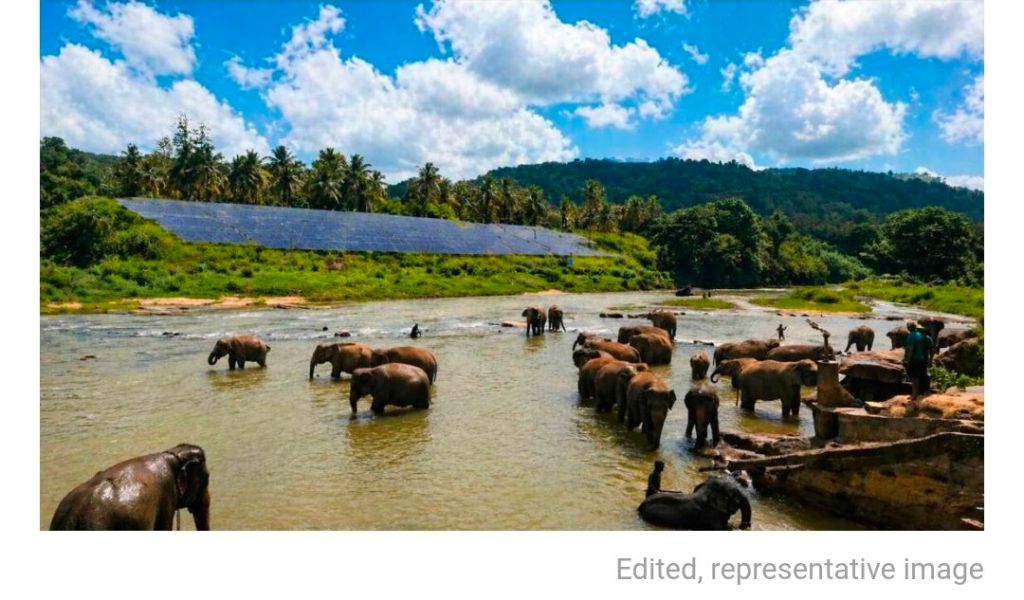
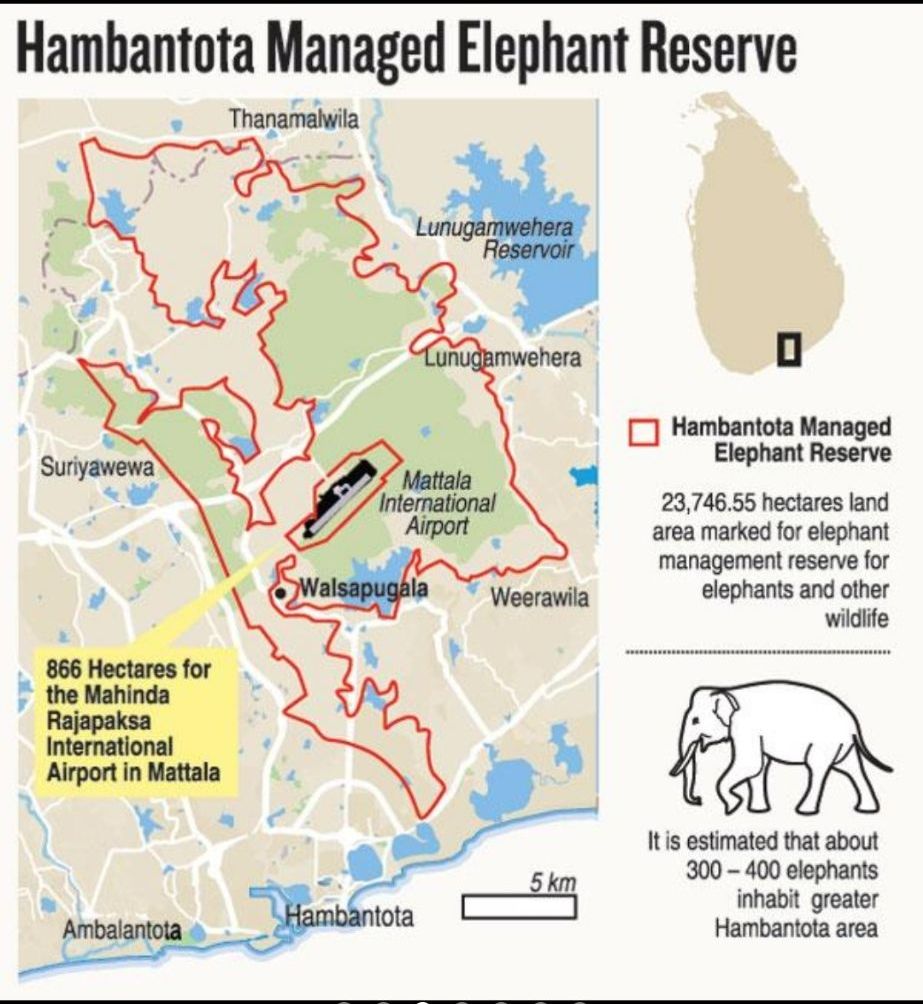
Independent reporting from conservation groups and environmental journalists indicates that large-scale solar development near Sri Lanka’s Managed Elephant Range has triggered major concern over habitat clearance, elephant migration corridors, and rising human-elephant conflict. Local campaigners say over 400 elephants depend on that wider landscape, and habitat loss could push them back toward farms and infrastructure. �
This raises a serious question:
When does “Net Zero” stop being environmentalism?
If achieving carbon targets means:
Clearing wildlife habitat
Fragmenting migration corridors
Removing grazing land and biodiversity
Industrialising farmland or protected landscapes
…then many people will argue that the policy has lost sight of what environmental protection actually means.
This isn’t anti-renewable. It’s about location, scale, and ecological intelligence.
Wildlife like the Sri Lankan elephant doesn’t recognize fencing, planning maps, or energy policy. It follows water, food, and ancestral movement routes built over generations.
In Sri Lanka, campaigners say scrub forest in Hambantota—part of elephant terrain—has been cleared for multiple solar projects, with warnings that this could intensify conflict between elephants and nearby communities. �
Mongabay News +1
The wider lesson
Climate policy should protect:
Carbon reduction and biodiversity
Energy security and food security
Infrastructure and natural migration systems
If one environmental goal destroys another, it becomes an engineering and planning failure—not simply a climate success.
A more balanced approach often includes:
Rooftop solar on warehouses, homes, and industrial estates
Brownfield or previously developed land first
Grid efficiency and storage where habitat impact is minimal
Careful ecological surveys before major infrastructure
The environment is not just CO₂. It’s land, species, water, soil, and the systems that keep them alive.
What is happening in Sri Lanka is not unique. The same questions apply in the UK.
Across England, Scotland, and Wales, large-scale solar farms, battery storage schemes, transmission corridors, and substations are increasingly being proposed on:
Ancient grassland
Hedgerow networks
Farmland used by ground-nesting birds
Bat foraging corridors
Pollinator habitats
Wetlands and floodplains
Green Belt and sensitive rural landscapes
Species such as the Barn Owl, Brown Hare, Common Pipistrelle, and Skylark often depend on these fragmented habitats.
So the question Britain must ask is:
If climate policy destroys the habitats of the species we claim to protect, are we solving one environmental problem by creating another?
Nature does not care whether destruction comes from coal, concrete, or solar panels. Habitat lost is habitat lost.
Shane Oxer. Campaigner for fairer and affordable energy
 SAY NO TO THE DESTRUCTION OF OUR LAND
Leave a comment