When Labour entered government, one of its most repeated promises was that households would see lower energy bills. The message was simple and politically powerful. Net Zero would not only reduce emissions; it would make Britain more secure, less dependent on international energy markets and ultimately cheaper to run.
Today, that promise lies in ruins.
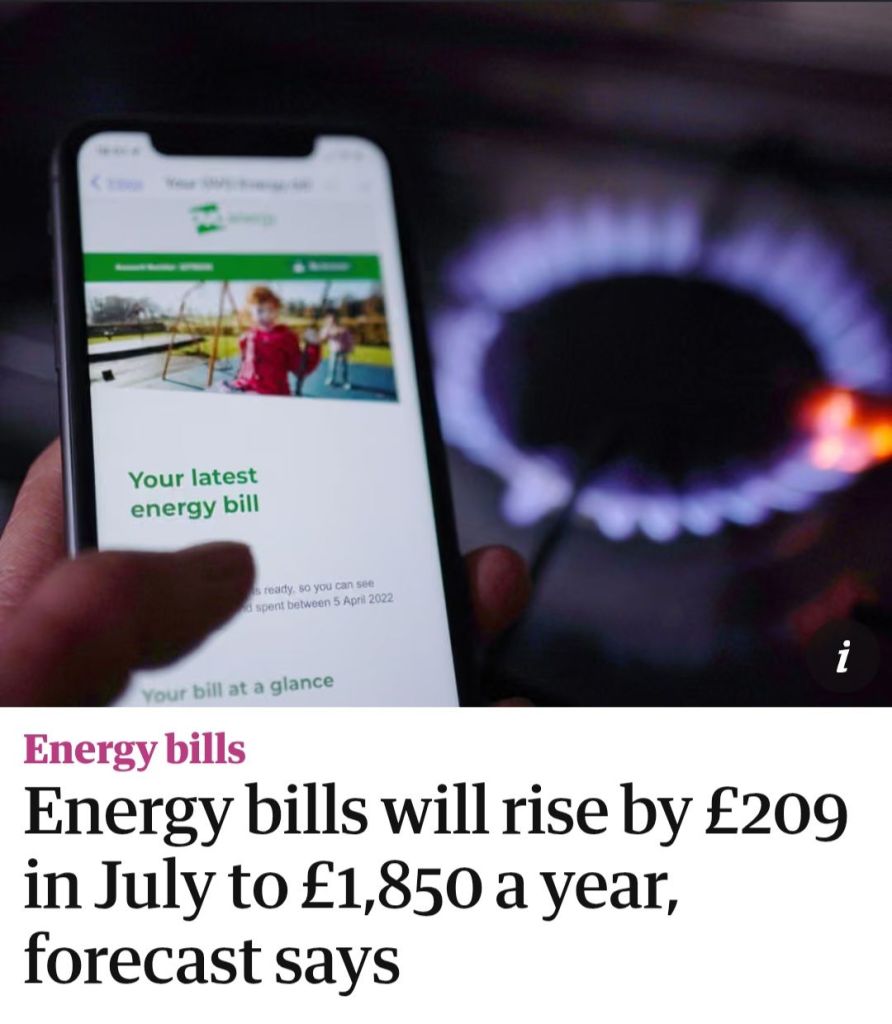
Ofgem has announced a further 13% increase in the energy price cap, taking the annual bill for a typical household to £1,862. Cornwall Insight is already forecasting another increase in October. For millions of families struggling with mortgages, rent, food inflation and stagnant wages, the question is becoming unavoidable: if this is what cheaper energy looks like, what exactly would failure look like?
The official explanation is familiar. International gas prices have risen. Conflict in the Middle East has disrupted markets. Global uncertainty is pushing up wholesale costs. These factors undoubtedly play a role, but they do not explain why Britain remains so vulnerable after nearly two decades of climate legislation and energy transition policies. Nor do they explain why consumers are paying more despite years of promises that renewables would bring bills down.
The most revealing statistic comes not from campaigners or political opponents, but from Cornwall Insight itself. According to its analysis, wholesale energy accounts for just over 40% of the price cap. In other words, less than half of what households pay is the actual cost of the energy itself.
That leaves almost 60% of the bill made up of everything else.
This is the question Labour ministers should be answering.
If gas prices explain only part of the bill, what is driving the rest?
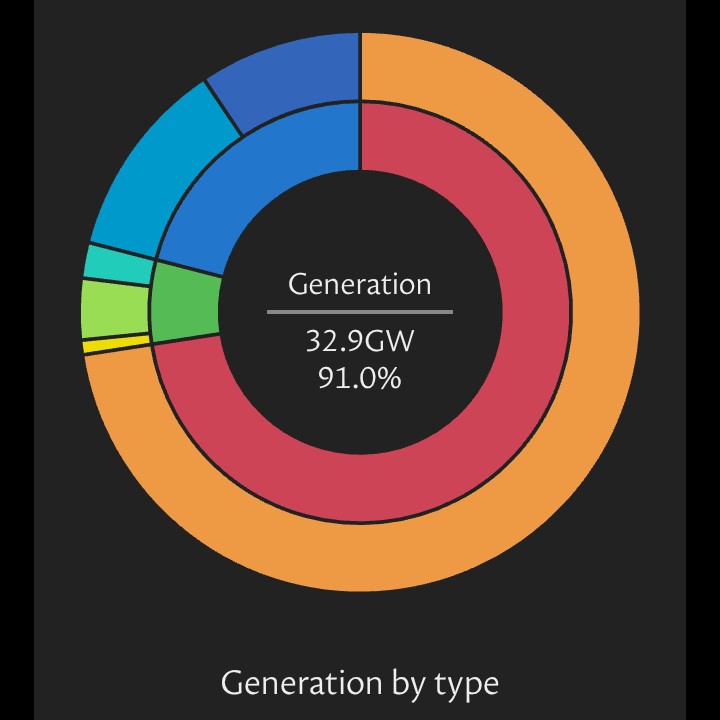
Consumers are paying for an increasingly complex energy system. They are paying for network upgrades, balancing services, grid reinforcement, constraint payments, battery storage projects, standing charges, backup generation and a growing array of costs associated with managing a system built around intermittent generation. Every wind farm connection requires infrastructure. Every solar development requires network capacity. Every fluctuation in output requires balancing. None of this is free, and all of it eventually lands on somebody’s bill.
For years, the public was told that renewable energy was the cheapest form of generation ever created. Yet if that were the whole story, energy bills should be falling rather than rising. Instead, Britain finds itself spending billions on new transmission lines, substations, batteries and grid upgrades while still relying heavily on gas whenever renewable output falls. Consumers are effectively funding both the old system and the infrastructure required to support the new one.
Even former Prime Minister Tony Blair has begun questioning whether the current approach is grounded in practical reality. Blair’s warning is significant because he is no opponent of climate action. If a figure as central to the political establishment as Blair is expressing concerns about affordability and public consent, it suggests the debate is finally moving beyond ideology and into the realm of common sense.
The problem is not the desire for cleaner energy. Most people support sensible environmental improvements. The problem is the growing gap between political promises and economic reality. Labour promised lower bills. Consumers received another increase. Ministers promised greater energy security. Britain remains exposed to international gas markets. Politicians promised affordability. Households are facing some of the highest energy costs in the developed world.
At some point, voters are entitled to conclude that the policy is not delivering what was promised.
The real danger for the Government is not that people reject environmental goals. It is that they begin to reject a political class that repeatedly promises one thing and delivers another. Every bill increase widens that credibility gap. Every new substation, pylon route and grid upgrade raises further questions about the true cost of the transition. Every explanation blaming external events sounds less convincing when consumers can see that their bills continue to rise regardless.
The latest 13% increase should therefore be viewed as more than a quarterly adjustment. It is another piece of evidence that the current strategy is failing its most important test. Energy policy exists to provide secure, affordable and reliable power. If households are paying more, businesses are paying more and the country remains vulnerable to the same international shocks, then it is reasonable to ask whether the pursuit of Net Zero has become an ideological project disconnected from the practical needs of the people expected to fund it.
Labour asked the public to trust that this transition would lower bills. The public kept its side of the bargain.
The Government has yet to keep its own.
Shane Oxer. Campaigner for fairer and affordable energy
 SAY NO TO THE DESTRUCTION OF OUR LAND
Leave a comment