Hooton Pagnell Solar – Another Yorkshire Solar Scheme With No Realistic Near-Term Grid Connection
The fields around Hooton Pagnell, near Doncaster, remain some of the most productive and visually attractive agricultural landscapes in South Yorkshire. Yet they are now under threat from another large-scale solar and battery proposal that, according to the electricity connection data itself, may not even be deliverable until 2035.
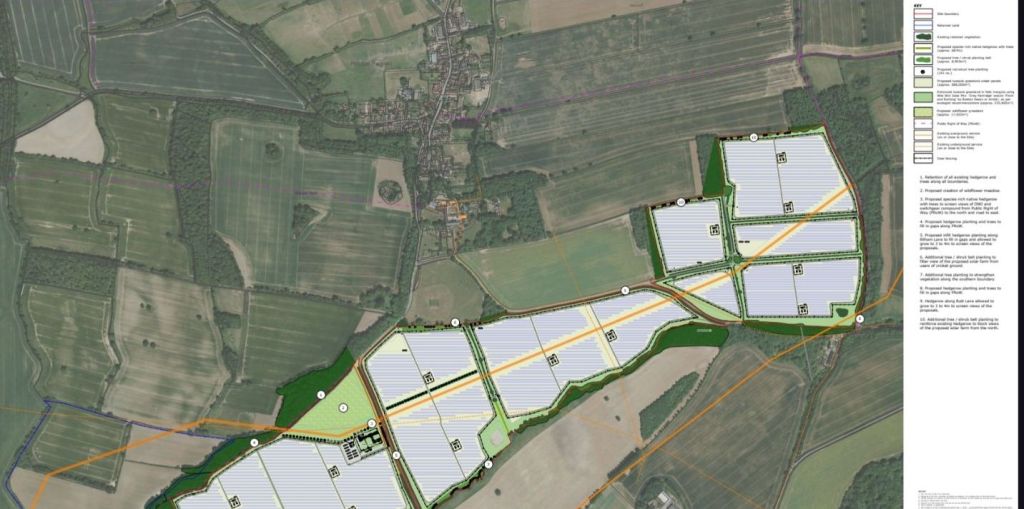
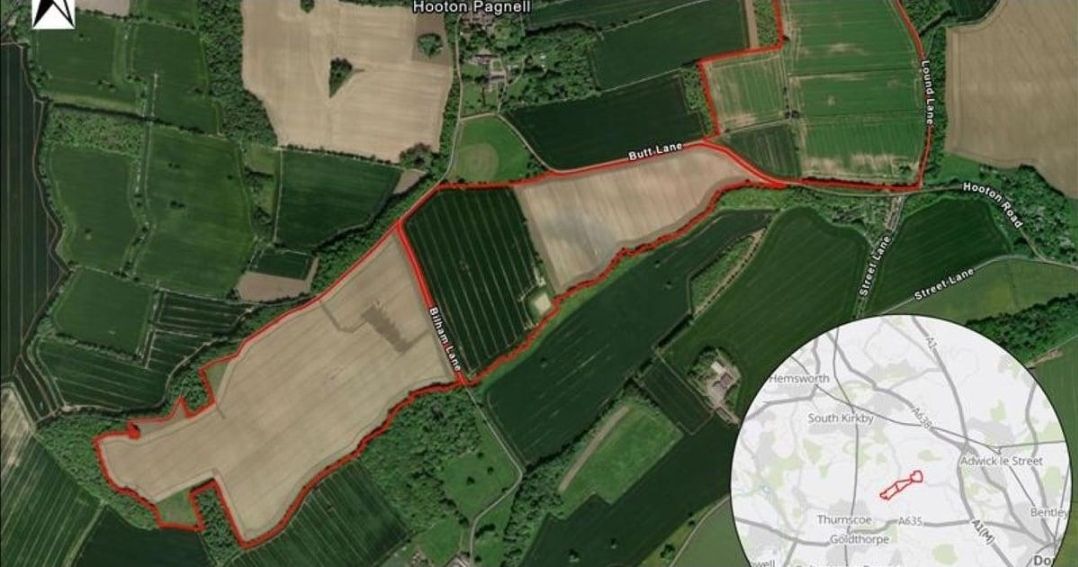
The proposal known as the Hooton Pagnell Hybrid scheme , would cover extensive arable farmland with industrial-scale solar infrastructure and battery storage compounds. Planning maps show multiple large panel blocks spread across open countryside surrounding the village, connected by access tracks, inverter stations, fencing, CCTV and electrical infrastructure.
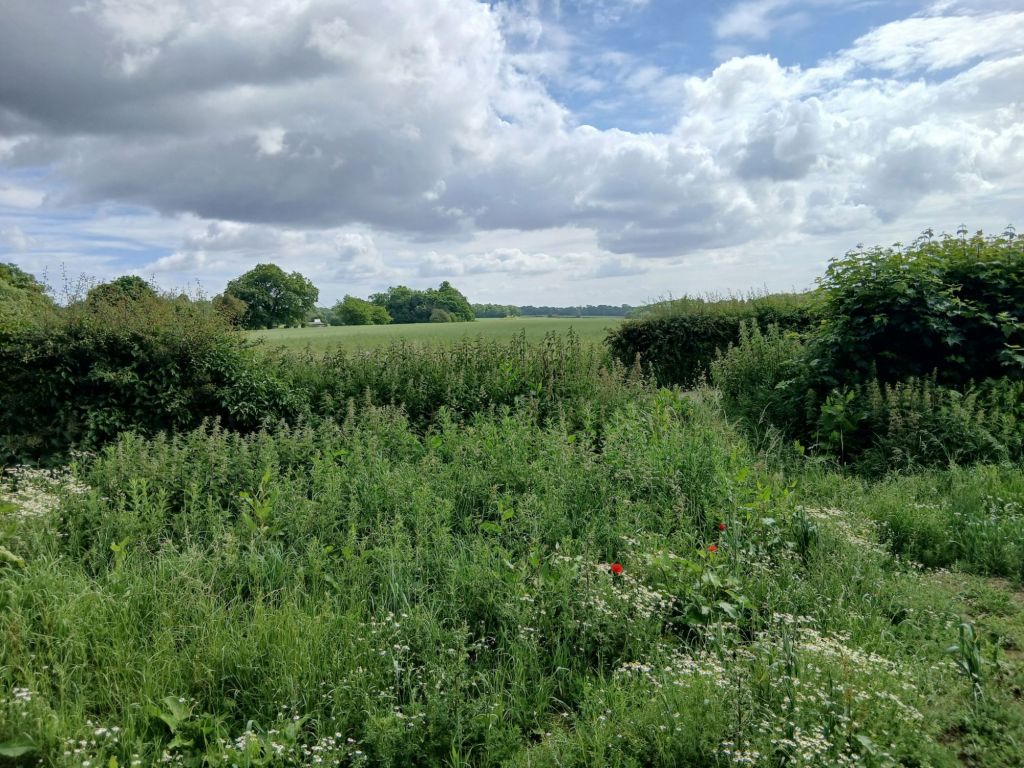
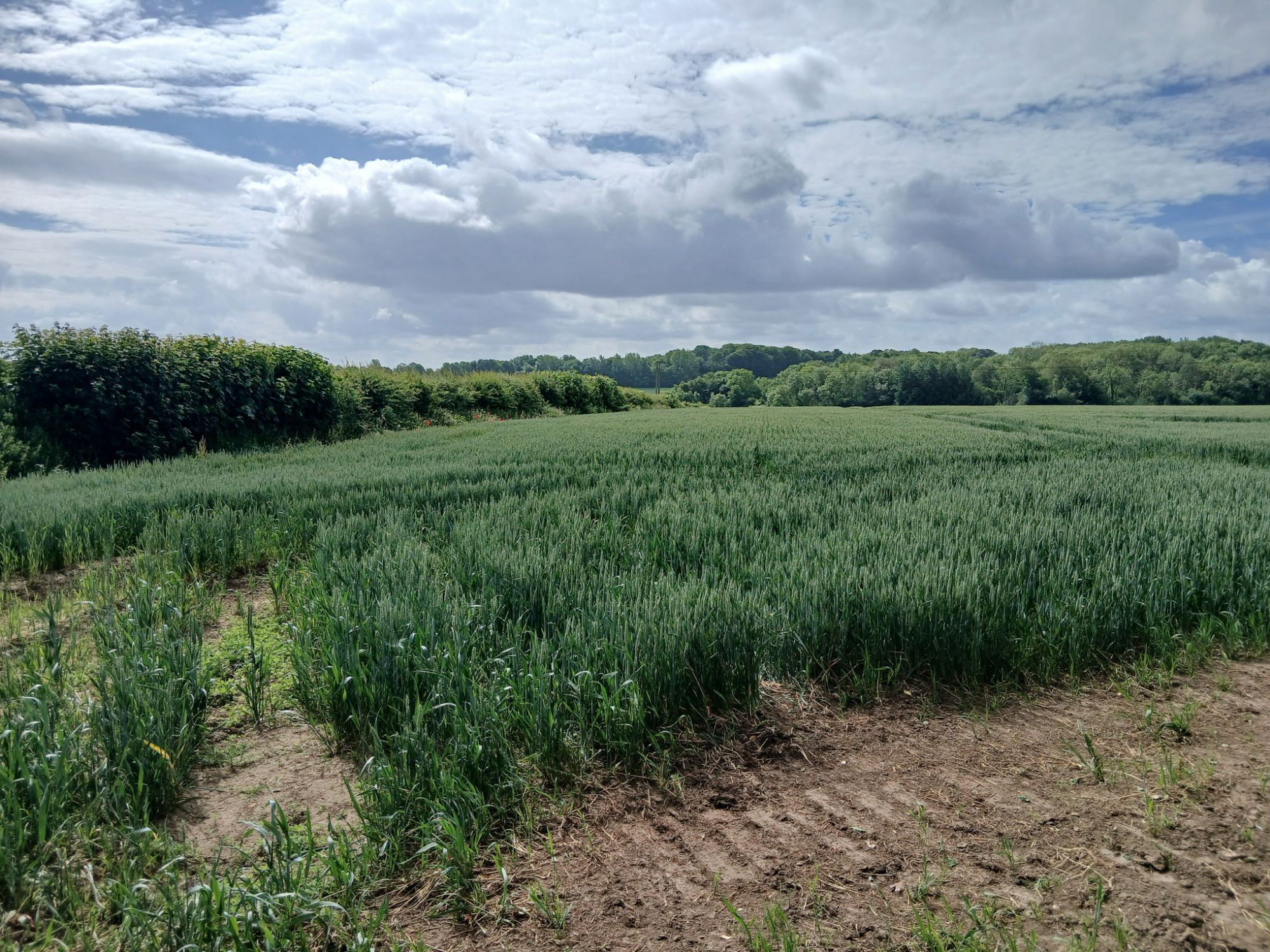
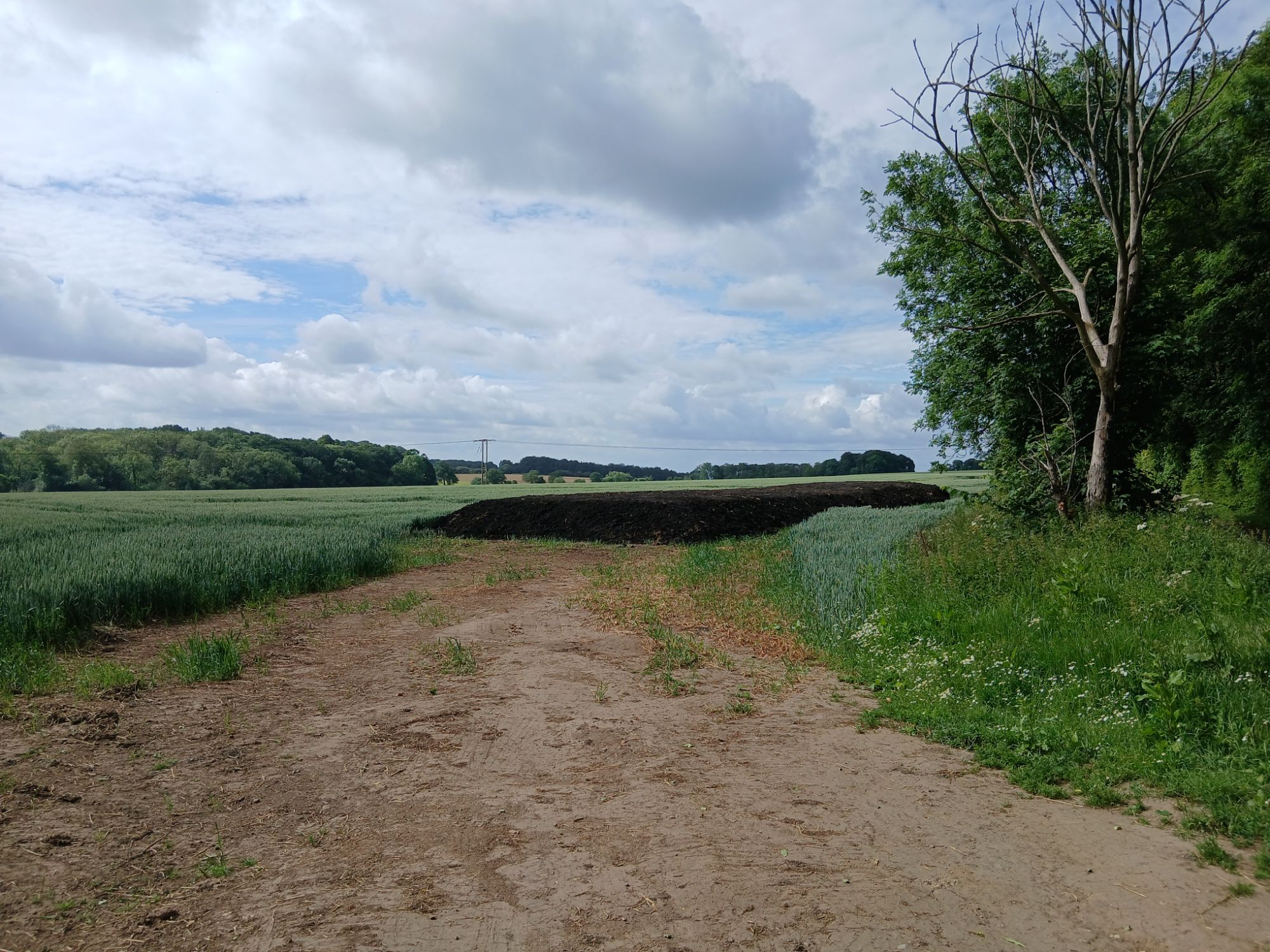
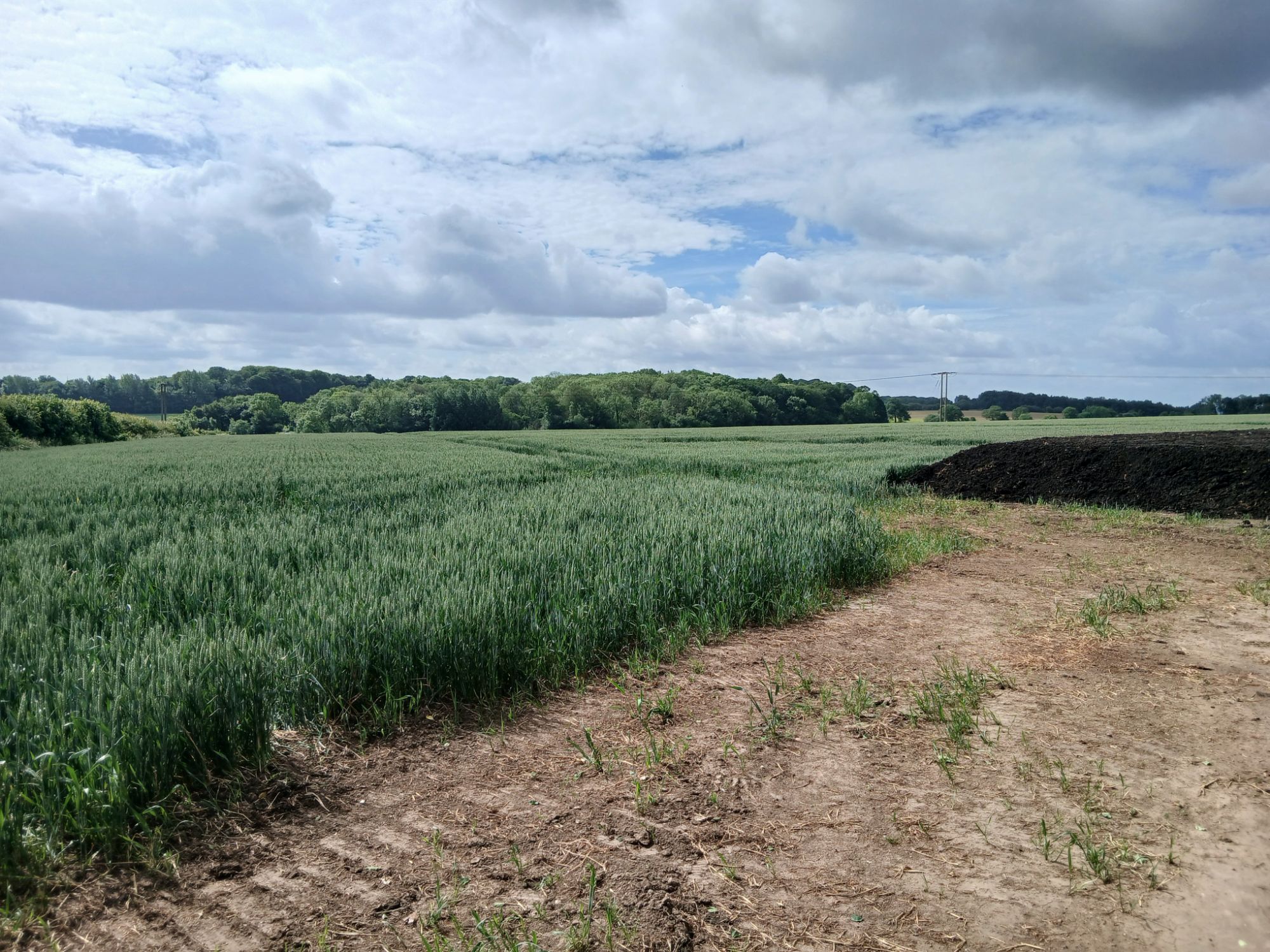
The photographs taken on site this morning tell a very different story from the sterile planning diagrams. They show open, productive farmland bordered by mature hedgerows and woodland , countryside that currently contributes to the rural character of the area rather than industrial energy generation.
A Solar Farm Connected to a Congested Grid
The most important issue may not actually be the panels themselves, but the fact that the project appears tied to one of the most overloaded parts of the Yorkshire electricity network.
According to the Existing Agreements Register and TEC cross-match data:
Project: Hooton Pagnell Hybrid
Solar Capacity: 49.9 MW
Battery Storage: 30 MW
Connection Node: Thorpe Marsh
Connection Date: 30 October 2035
Current Status: Gate 1 within the Northern Powergrid process
Deliverability Assessment: “Not deliverable before 2035”
UK_TEC_full_table.docx
This matters enormously.
Under the new grid queue reforms, Gate 1 does not guarantee a viable or deliverable connection. It simply means the scheme is in the queue. Projects now face further assessment before progressing toward firm connection rights.
In practical terms, this means Hooton Pagnell currently sits in a speculative stage of the process while relying on a heavily constrained network corridor already burdened by multiple major schemes around:
Thorpe Marsh
Fenwick
Brinsworth
Tween Bridge
Monk Fryston
West Melton
Thurcroft
The wider TEC data already shows Thorpe Marsh as one of the most congested energy nodes in Yorkshire:
Thorpe Marsh node total queued capacity exceeds 3,119 MW
Multiple large solar and BESS projects already occupy the queue
Reinforcement timelines extend well into the 2030s
UK_TEC_full_table.docx
Productive Farmland Sacrificed for a Project That May Wait a Decade
One of the most troubling aspects of modern solar policy is that land is increasingly being sterilised long before infrastructure exists to support generation.
The photographs from the site show actively cultivated cereal land in productive agricultural use today. This is not derelict industrial land or a contaminated brownfield site. It is functioning countryside.
Yet despite the absence of confirmed near-term deliverability, pressure continues to mount for industrialisation of these landscapes under the assumption that grid infrastructure will somehow materialise later.
The contradiction is becoming impossible to ignore:
farmland is removed from food production now,
visual and ecological impacts occur now,
communities absorb the disruption now,
but the electrical infrastructure may not exist until the mid-2030s.
The Thorpe Marsh Problem
The Hooton Pagnell proposal cannot be viewed in isolation.
Thorpe Marsh has become a focal point for speculative renewable expansion across South Yorkshire. The queue already includes massive volumes of solar and battery projects competing for constrained capacity.
The TEC data indicates that several schemes connected through Thorpe Marsh and adjacent nodes already stretch into the late 2030s. �
UK_TEC_full_table.docx
This raises serious planning questions:
Is there realistic deliverability?
Are cumulative impacts being properly assessed?
Should agricultural land be industrialised before firm infrastructure exists?
Are local authorities approving schemes based on theoretical future grid reinforcement rather than current engineering reality?
These are no longer fringe concerns. They are central infrastructure questions.
A Growing Divide Between Policy and Engineering Reality
The Hooton Pagnell scheme reflects a wider national issue: planning consent is increasingly detached from actual network capability.
The project may appear “green” on paper, but the underlying infrastructure story tells something very different:
delayed grid reinforcement,
speculative queue positions,
uncertain connection rights,
and mounting curtailment risks across Yorkshire.
Meanwhile, residents are asked to accept permanent changes to the landscape for infrastructure that may not operate meaningfully for another decade.
Conclusion
The Hooton Pagnell Hybrid proposal demonstrates the widening gap between renewable energy ambition and grid reality.
The fields shown in these photographs are not abandoned wasteland. They are productive South Yorkshire countryside. Yet they are being targeted for industrial-scale development tied to a constrained network node with connection timelines stretching toward 2035.
At the very least, local residents and planners deserve honest answers about:
deliverability,
infrastructure readiness,
cumulative impacts,
and whether speculative grid queue positions justify sacrificing productive farmland today.
Until those questions are properly answered, serious concerns remain about whether schemes like Hooton Pagnell represent sound energy planning or simply another example of speculative solar expansion racing ahead of the infrastructure needed to support it.
Shane Oxer. Campaigner for fairer and affordable energy
 SAY NO TO THE DESTRUCTION OF OUR LAND
Leave a comment