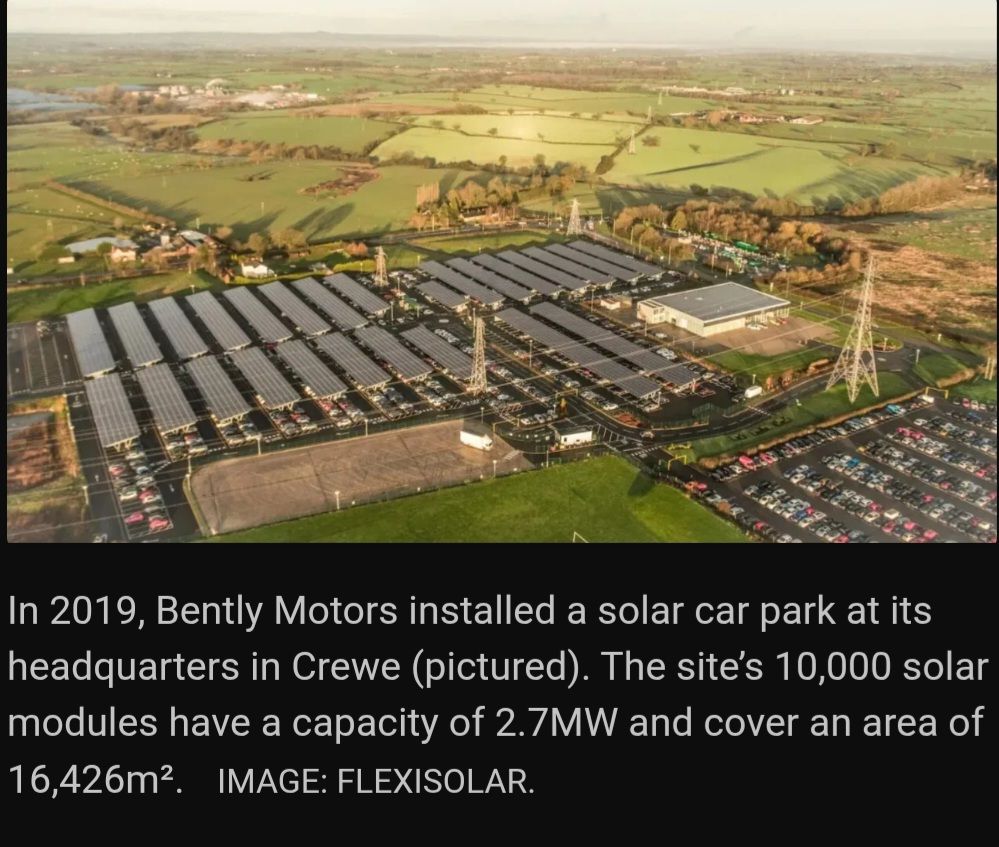
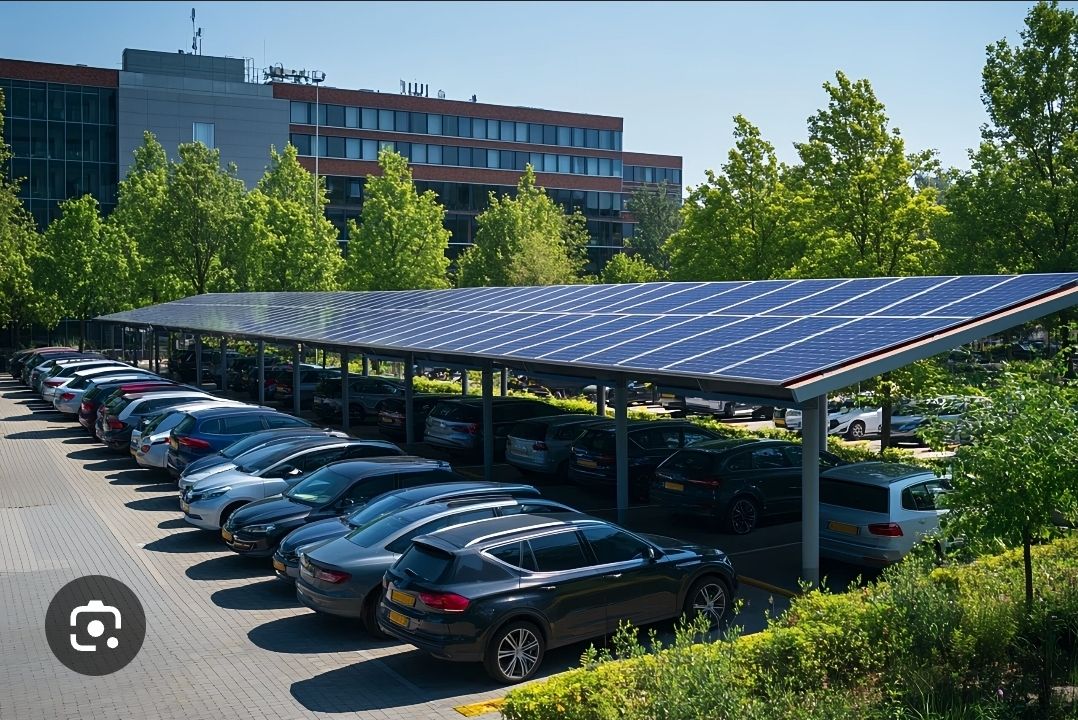
In May 2025, the Department for Energy Security and Net Zero (DESNZ) launched a consultation on mandating solar canopies over new car parks. It was presented as a sensible, modern solution:
generating clean power on already-developed land, shading vehicles, supporting EV charging, and sparing the countryside from industrial-scale solar farms.
Just over a year later, on 21 May 2026, the department quietly dropped the idea. Its verdict was terse: “This policy will not be taken any further at this point.”
The retreat speaks volumes. If solar on car parks , with their ready-made electricity demand and urban setting , proves uneconomic once real-world engineering and costs are factored in, why does government policy continue to favour blanketing productive farmland and greenfield sites with panels?
The inconvenient economics
Responses to the consultation laid bare the challenges. Industry groups, including Energy UK, highlighted significantly higher costs for car park canopies compared with rooftop or ground-mounted solar. Structural steelwork, reinforced foundations, drainage modifications, insurance liabilities, and grid connection complexities all inflate the price tag.
DESNZ’s own estimates for an 80-space car park included installation costs of around £140,000, plus substantial foregone revenue during construction and ongoing maintenance. Payback periods stretched, and the economics simply did not stack up for many operators.
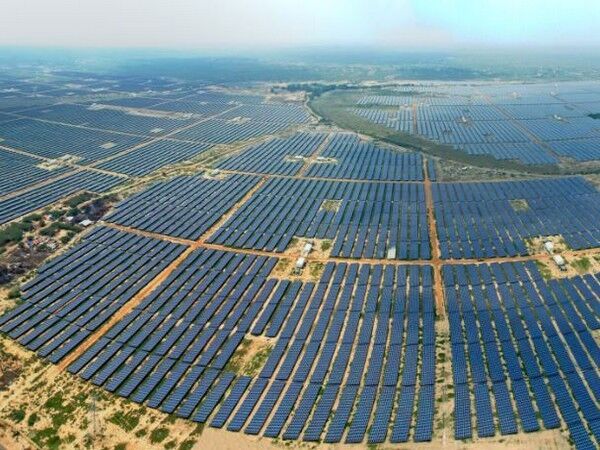
Ground-mounted solar on farmland, by contrast, is far cheaper. Developers can drive piles straight into soil, use lightweight frames, and secure long leases on agricultural land at modest rents. The countryside, in effect, subsidises the rapid rollout of renewables by absorbing the lower engineering and planning burdens.
This is not abstract. Communities across Yorkshire, Lincolnshire, the Midlands and beyond face wave after wave of applications for vast solar arrays on fields that produce food or support biodiversity. Opponents argue these schemes externalise environmental and visual costs onto rural Britain while delivering marginal system-wide benefits once intermittency and grid upgrades are considered.
Miliband’s untapped potential meets reality
Energy Secretary Ed Miliband had spoken enthusiastically about the “untapped potential” of car parks and urban spaces for solar. Many, including some rural campaigners, broadly agreed: rooftops, warehouses, brownfield sites and canopies make intuitive sense before sacrificing prime agricultural land.
Yet the government’s own process has exposed the gap between rhetoric and delivery. Urban and commercial solar is more expensive and complex. When forced to compete on genuine costs , rather than subsidised greenfield deployment , it falters. The result is a de facto policy that defaults to the cheapest option: covering open countryside.
Grid constraints compound the issue. Combining solar canopies with high-powered EV charging creates complex local flows daytime exports and sudden demand spikes , on networks already under strain from broader electrification. The same administration pushing rapid EV uptake and renewable expansion confronts the limits of an ageing grid ill-suited to intermittent generation without massive (and costly) reinforcement.
A revealing contradiction
Britain’s solar strategy, and Net Zero policy more broadly, rests on claims of cheap, scalable, and environmentally benign technology. The car park episode undermines that narrative. When one of the more rational alternatives to farmland solar was properly examined, it was shelved. The countryside remains the path of least resistance for meeting deployment targets under the Clean Power 2030 plan.
Public sentiment increasingly reflects this tension. The refrain “Don’t cover our fields , cover our car parks” echoes across consultations and social media. The government’s own analysis now lends weight to that frustration.
Abandoning car park mandates may be pragmatic given the costs. But it inadvertently highlights a deeper flaw: Britain is industrialising its rural landscapes not because it represents the optimal solution, but because it is the easiest and most economical route available under current policy settings.
As winter power security questions loom and infrastructure bills mount, policymakers may eventually have to confront whether this approach truly delivers affordable, reliable energy , or simply displaces problems from spreadsheets onto the English countryside.
References
Government considers mandating solar PV in car parks
 SAY NO TO THE DESTRUCTION OF OUR LAND
Leave a comment